Help shape Virginia’s next wildlife rules
Virginia is accepting ideas for its next round of wildlife regulations through November 18, 2026. This early input period gives the public a chance to influence proposals before they take shape. Compassionate, ecologically grounded recommendations belong in that process—including stronger trapping safeguards and greater support for coexistence.
Wildlife stewardship is held in the public trust. Public values play a key role in shaping wildlife governance. The Virginia Department of Wildlife Resources (DWR) Board charter and governance manual acknowledge this entrustment: “Therefore, the Board will strive to understand the public’s values regarding wildlife and boating resources and shall govern its actions based on those values.” Reminding decision-makers of their duties is a good way to motivate action.
Address current biodiversity risks
Every ten years, states are required to update and revise their State Wildlife Action Plans (SWAPs) in order to qualify for federal State Wildlife Grants. In 2025, Virginia identified 1,920 Species of Greatest Conservation Need (SGCN) – up from 882 in 2015 – and an additional 520 Assessment Priority Species. The current SGCN list includes numerous reptiles, amphibians, birds, bats, aquatic mammals, fish and invertebrates.
This surge in at-risk species represents a larger nationwide trend. Rather than the fault of agency biologists or staff, this is a structural issue stemming from how funding gets allotted. Across the country, state wildlife agencies direct the majority of funding towards managing game species and their habitats, and Virginia is no exception. Currently, the Virginia DWR allots just 5.2% of their budget towards nongame and endangered species.
Pittman-Robertson federal wildlife grants are limited to birds and mammals (and also include R3, recreational shooting and hunter education programs), while Dingell-Johnson grants largely fund sport fish restoration and stocking programs. This system leaves numerous imperiled species chronically underfunded, especially reptiles, amphibians, and pollinators. Agency conservation efforts should better reflect current biodiversity concerns within that state.
Support coexistence and greater protections for carnivores
Fostering coexistence with bobcats, coyotes, and other misunderstood carnivores is vital, from both an ethical and ecological perspective. To align with the public trust doctrine, wildlife regulations should reflect and respect carnivores’ ecological and intrinsic value, not merely ensure a statewide population is “sustainable” for hunting and trapping interests.
Many people are unaware that bobcats remain poorly monitored and “managed” throughout much of their range. Current Virginia regulations allow landowners to kill bobcats without a permit whenever they are on landowner property – regardless of whether furbearer season is open or whether the bobcat is known to have damaged or be at risk of damaging person or property. Statewide hunting and trapping seasons allow groups of hunters to kill up to two bobcats per 24 hours. “Predator hunts” (killing contests) remain legal and occur regularly in some rural areas, incentivizing indiscriminate killing of bobcats, coyotes, and foxes. These contests degrade the public’s view of hunting and serve no management purpose.
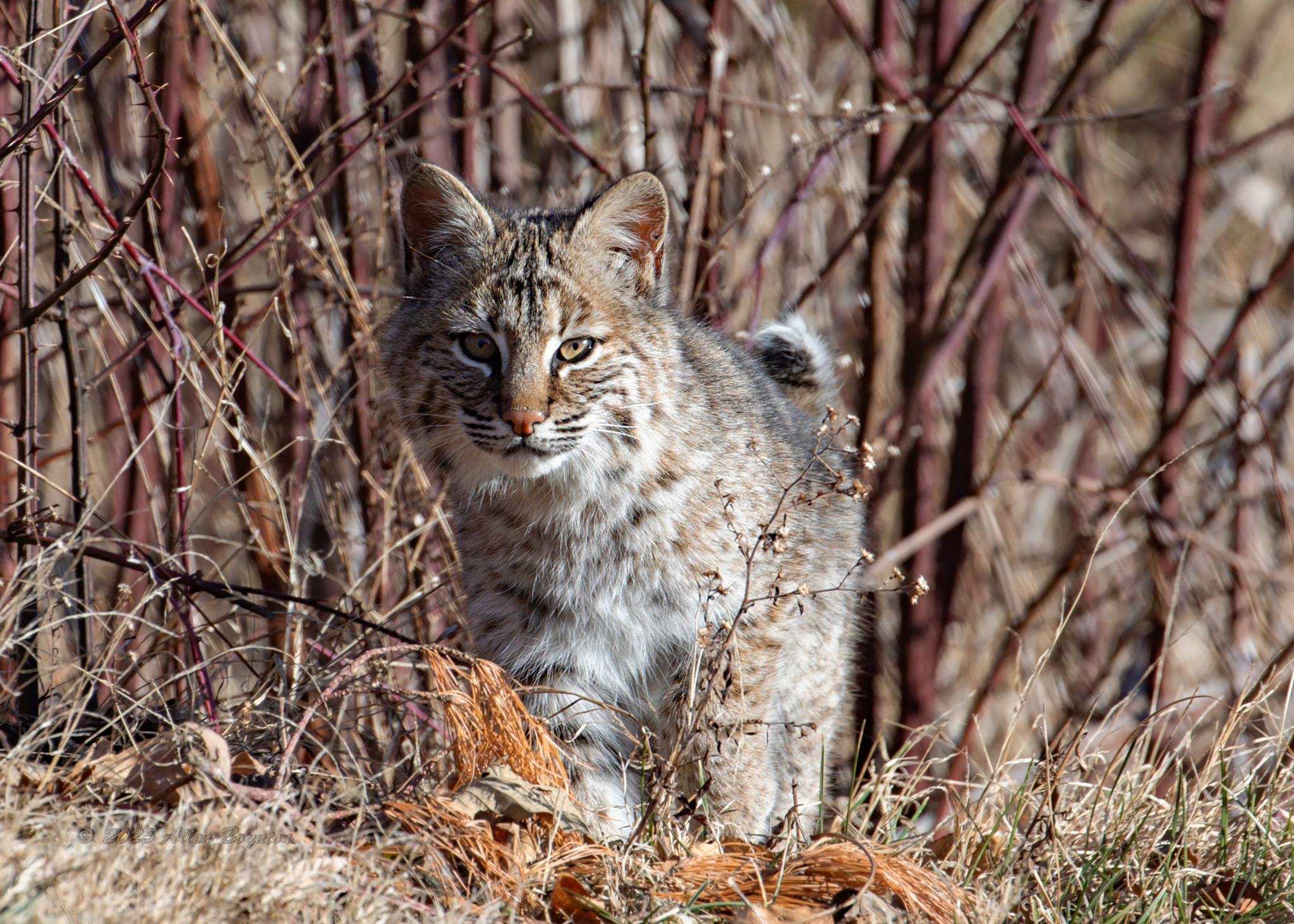
A bobcat photographed in Grayson County, Virginia. Credit: Allen Boynton (CC 4.0)
These highly permissive regulations are out of step with broader public values, how rarely bobcat conflicts actually occur, and best available science. They reflect historical prejudices and inaccurate, pervasive narratives that vilify carnivores as threats. Even the DWR’s website states: “Problems caused by bobcats are very infrequent, should be addressed on an individual basis and can often be remedied by preventative methods such as fencing. They are not a significant vector of disease and rarely contract the mid-Atlantic strain of rabies.”
Virginia’s wildlife regulations should give greater consideration to bobcats’ ecological and intrinsic worth. Bobcats have value in and of themselves, and sighting one is a rare and special experience for many Virginia wildlife enthusiasts. Encouraging greater protections for these essential and elusive carnivores helps align policy with the best available science and public values.
The crucial value of Virginia’s bobcats
In Virginia, bobcats are a key indicator and umbrella species for mapping and conserving habitat corridors. Adult bobcats maintain and patrol sizable areas, traveling about 2-7 miles every night, while independent young adults can disperse long distances in search of territories of their own. Bobcats are vulnerable to habitat fragmentation and vehicle strikes. Roads create major barriers that cause many bobcats to either be struck and killed by vehicles, or avoid crossing entirely.
As one of the state’s few remaining top carnivores, bobcats also serve a vital role in Virginia’s ecosystems. Thriving bobcat populations contribute to biodiversity health and help reduce tick-borne disease by keeping rodent populations in check. When bobcats take deer, it is most often sick, injured, young or very old individuals, strengthening the overall health and fitness of the population.
Additionally, bobcats may also help mitigate Chronic Wasting Disease contamination on the landscape. This degenerative neurological disease is 100% fatal to deer and is present in regions of northern and southwestern Virginia. Bobcats can both safely consume infected deer and completely destroy CWD prions during the digestive process, effectively removing the infectious agents from the environment.
How to take action
- Submit your recommendation: Use DWR’s public-input form to propose one specific change per submission. All comments are recorded as part of the public record.
- Select “statewide” for the specific location. In the text box about “primary concern or issue,” craft your comments in your own words. Explain which animals it would protect, the problem it addresses, and the evidence supporting it.
- Include your values and reasoning behind them when submitting recommendations. Remind the Board of their stewardship responsibilities and duty to govern in accordance with public values.
Make your voice heard and speak up for Virginia’s wildlife!
Virginia WFA members Kayva Parsa and Peggy Clark contributed this article.