Wildlife declines rarely have a single cause. But one thing is clear: you can’t bulldoze migration corridors, fragment habitat, industrialize winter range, and expect wildlife populations to stay healthy.
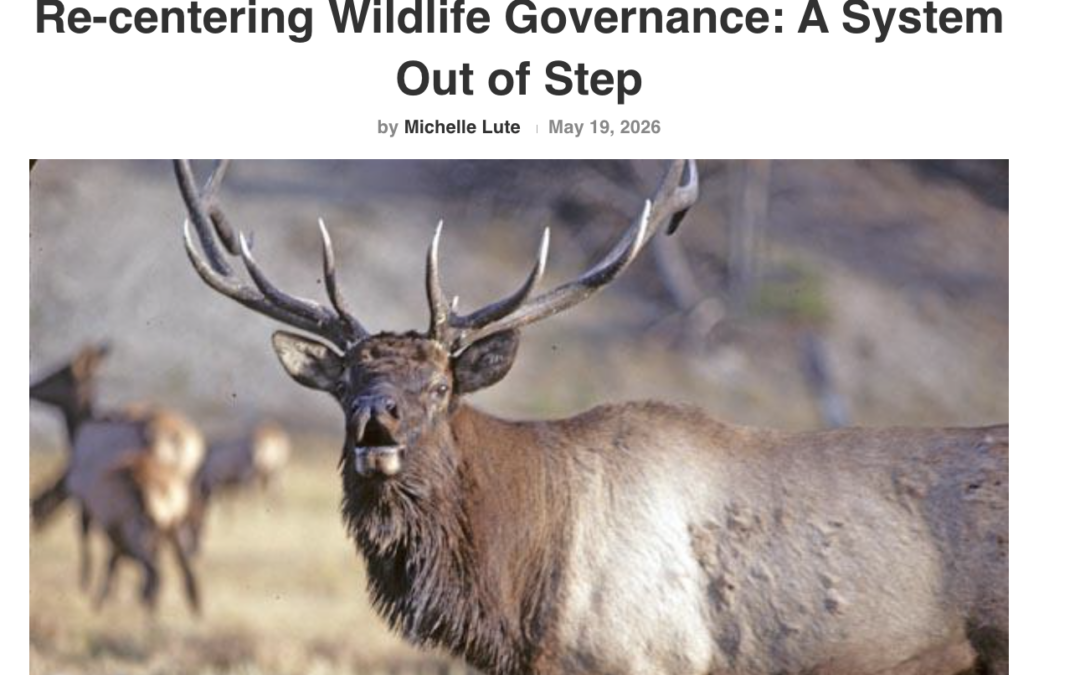
Our new article for The Wildlife News examines why state wildlife governance systems are out of alignment with modern ecological realities.
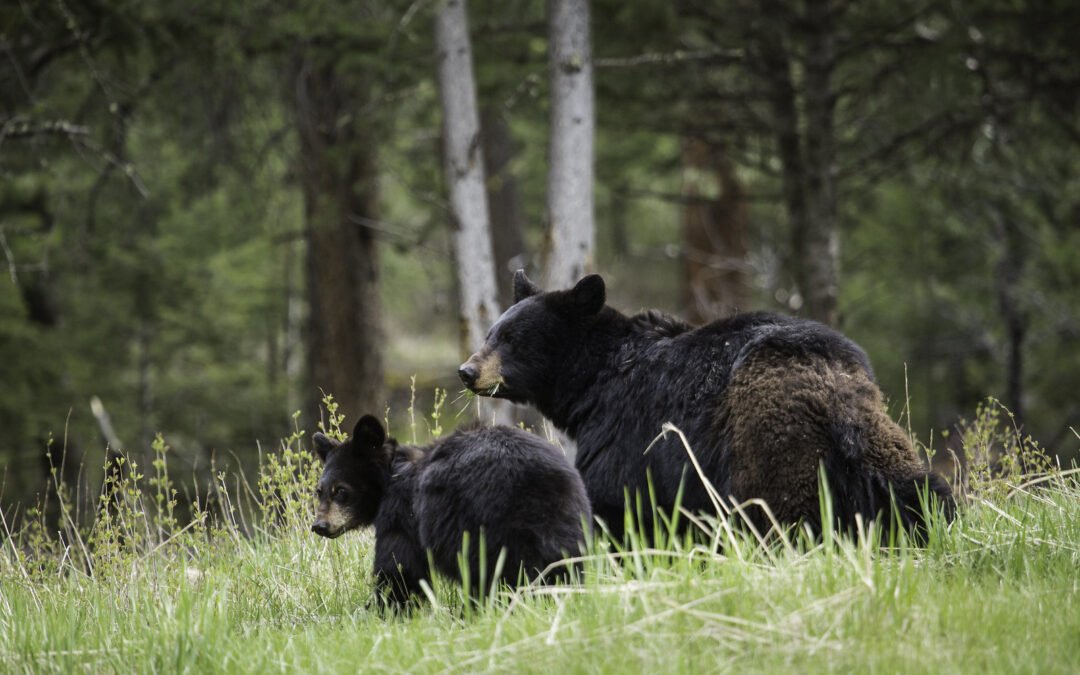
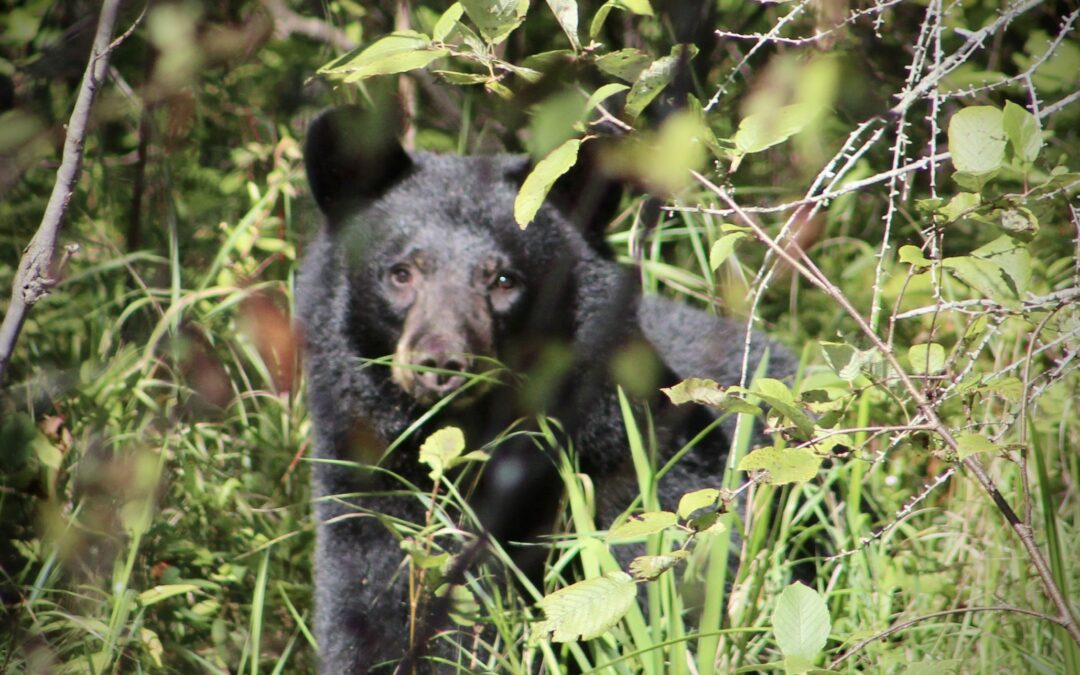
On May 20, the Vermont Fish & Wildlife Board will make decisions that will directly impact black bears across the state, including proposals to expand hunting pressure and increase the use of baiting and hounding.
Last week, the Supreme Court weakened voting rights by gutting the Voting Rights Act. Here’s what it means and why action is urgent.
Wildlife Services killing wolves in Oregon demonstrates the systemic failure in U.S. wildlife policy and highlights the need for reform.
Case studies from Montana and Florida show an underlying pattern of decisions made without complete data or clear understanding of a wildlife population.
Washington Wildlife First filed a federal civil rights lawsuit today against Washington Department of Fish and Wildlife (WDFW) Director Kelly Susewind and Deputy Director Amy Windrope, challenging what plaintiffs describe as a coordinated campaign to silence dissent and undermine independent oversight of the agency.
Last week’s Mount Pigsah coyote shooting reveals failures in state wildlife management and the lack of coexistence.
In February 2026, the Idaho Department of Fish and Game killed three wolves in the Panhandle region near Sandpoint, blaming them for an “underperforming” elk population. This isn’t “science-based management,” it’s a pattern and part of a broader systemic problem with wildlife governance.
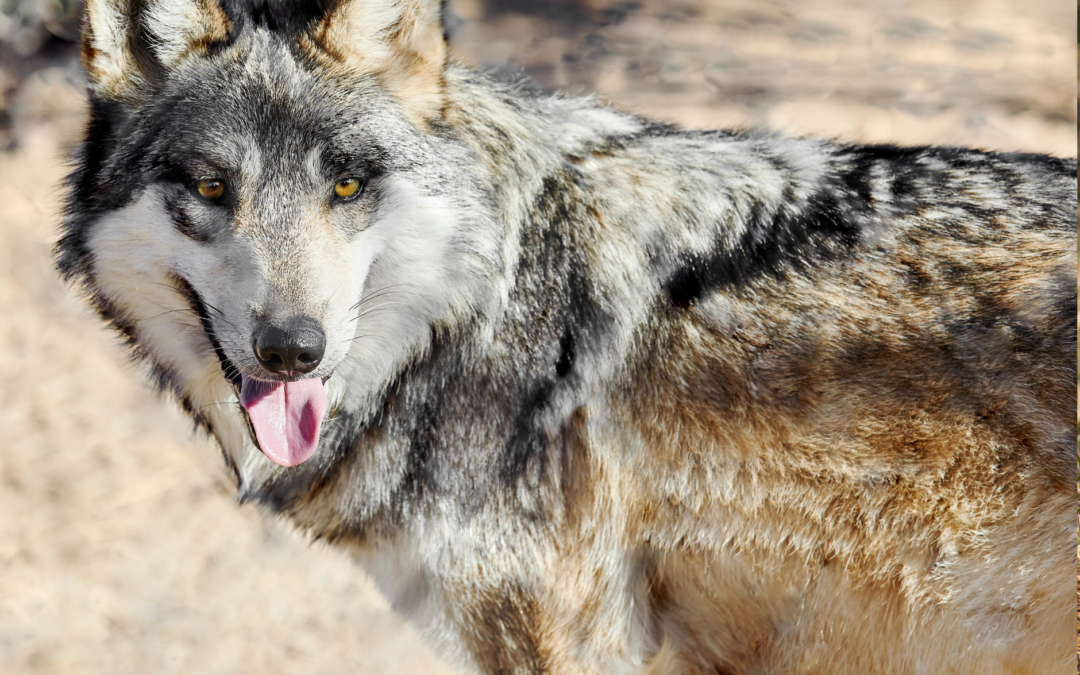
Lobo Week 2026 (March 22-29) raises awareness and advocacy for the endangered Mexican gray wolf, or lobo. The U.S. Mexican gray wolf population has grown to 319 wolves across Arizona and New Mexico, but low genetic diversity, illegal killing, and political boundaries continue to threaten their survival.
The recent charges against hunting influencer Ryan Lampers raise important questions about how wildlife violations are handled, and who is held accountable.
On Jan. 9, Utah killed three dispersing gray wolves near Avon because their presence alone violated the state’s unofficial “no wolves” policy.
Wildlife for All statement on federal “open unless closed” policy as SGCN analysis shows wildlife decline. For Immediate Release: January 15, 2026 Federal “Open Unless Closed” Policy Expands Pressure on Public Lands as States Document Worsening Wildlife Decline New...
Utah wildlife officials are floating a plan to remove all cougars from multiple management units as an “experiment” to boost deer numbers.
CWD spreads where state wildlife governance fails and captive deer and elk industries face little oversight.
A Colorado wolf entered New Mexico and was immediately captured and returned because states treat natural wolf movement as a problem.
Tell Congress: Vote YES to nullify the billion-dollar, 500,000 owl kill plan and stop the barred owl massacre.
Watch: Chinook salmon returning to the Klamath River in this video from ODFW. Salmon Returning to Klamath River's Upper Reaches for the First Time in a Century For the first time in more than a hundred years, a Chinook salmon has been filmed leaping past Keno Dam on...
Florida officials are pushing to reinstate a cruel, trophy-driven black bear hunt—despite overwhelming public opposition.
The Montana war on wolves is escalating. The state’s proposed regulations threaten to wipe out wolves within five years. Alert: New Amendments Reveal Montana Commission Wants to Double Down on Wolf-Killing Ahead of Court Review Just after a federal judge ruled that...