


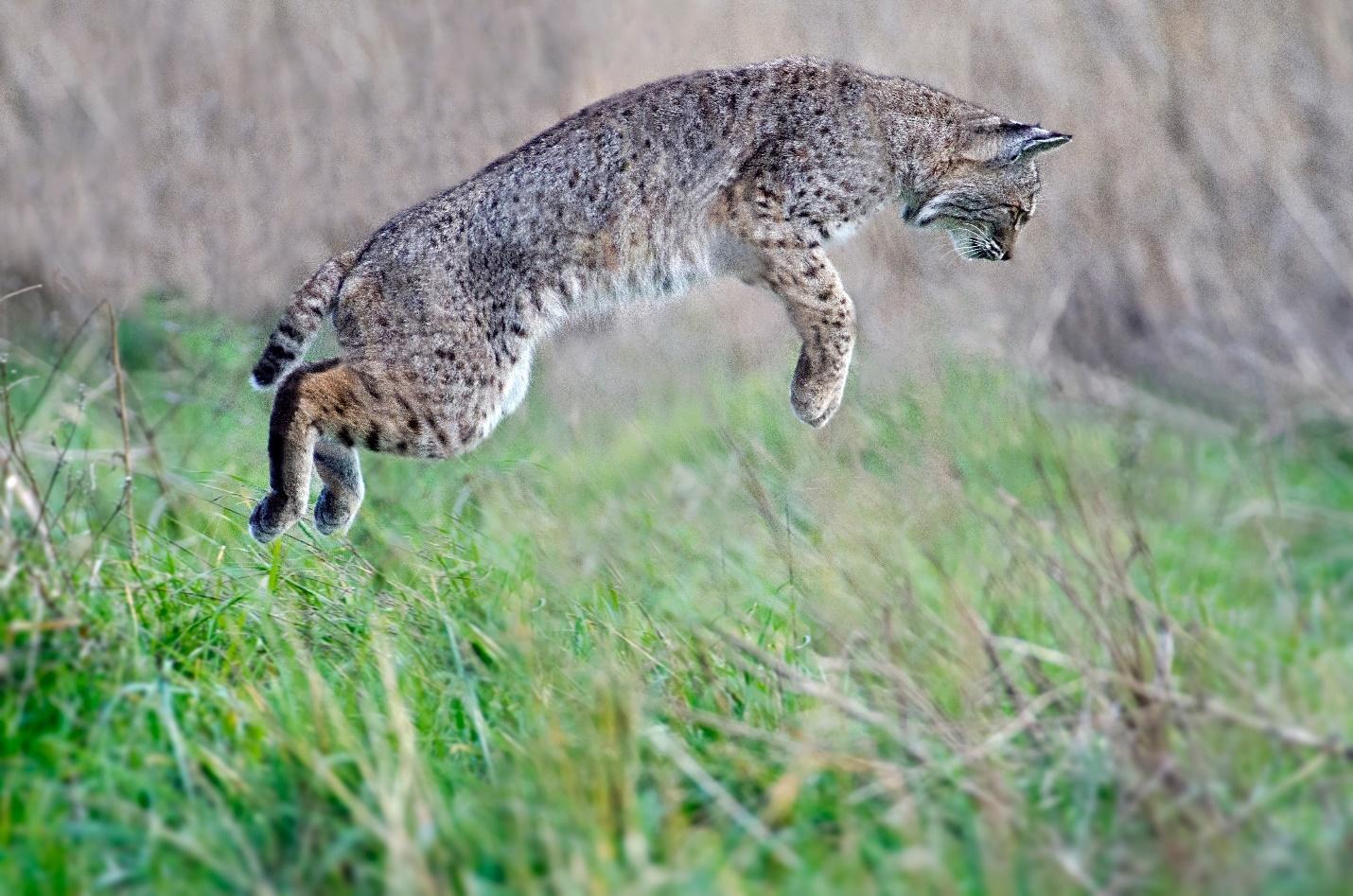
Bobcat in Montana de Oro State Park, San Luis Obispo County, California | Credit: Marlin Harms
The California Department of Fish and Wildlife (CDFW) released a draft Bobcat Conservation and Management Plan on October 1. Public comments are open until November 1, 2026. Your voice is needed to help guide wildlife decision-making to reflect ethical and science-informed policies.
Encourage California to prioritize bobcat coexistence
Bobcats are naturally wary of humans and very rarely present a threat. Conflicts are also generally rare. Common-sense, proactive coexistence measures (like securing backyard chickens in fully enclosed structures and bringing inside small pets at night) are an effective way to address occasional conflicts.
In this state, wildlife coexistence tools already exist. California recently passed and signed SB 1135 into law, which re-establishes a statewide wildlife coexistence pilot program after its funding expired in 2024. This program emphasizes education, incident response, and proactive nonlethal conflict resolution solutions for rural, suburban, and urban communities across California. Many California-based wildlife nonprofits like Felidae Conservation Fund and Project Coyote offer specific resources for coexisting with bobcats and other native carnivores.
Marin County (a hotspot for bobcat ecotourism and photography) piloted a successful community carnivore coexistence program to help local farmers and ranchers protect livestock through non-lethal strategies. Marin County’s coexistence program replaced a contract with USDA Wildlife Services (which often kills carnivores preemptively through indiscriminate and dangerous methods), and several other northern California counties have subsequently terminated contracts with the federal program.
Keeping bobcats protected statewide is consistent with these goals and supports California’s recent moves supporting human-wildlife coexistence. Recreational bobcat hunting is unnecessary for conflict prevention, and is separate from the state’s “depredation permit” system meant to address confirmed livestock losses to wildlife.
Bobcats deserve real protections
Bobcats play a critical role in California’s ecosystems. Their presence on the landscape benefits both human and environmental health. A large portion of their diet consists of woodrats, gophers, field mice, and ground squirrels, benefiting agricultural producers.
By keeping rodents and small mesocarnivores in check, bobcats contribute to higher biodiversity and directly dilute tick-borne disease reservoirs such as Lyme. Thriving bobcat populations reduce the need for anticoagulant rat poisons that work up the food chain and harm not just bobcats, but many other wild animals like hawks, owls, cougars, and endangered condors. Rodenticides significantly impact California’s cougars and bobcats, especially near urban areas. California has passed legislation trying to restrict these poisons due to their negative impacts on wildlife.

Male Bobcat | Photo Credit: Susan Winfree
Bobcats are also important to California’s Native American tribes, and appear in some creation stories. In 2023, CDFW held two online listening sessions where the agency received input from nine different California tribes. The draft plan notes that Native Americans offered diverse perspectives and varied insights during the sessions. Tribes view bobcats and humans as intrinsically connected – spiritually, culturally, and ecologically. Hunting a bobcat (even for subsistence) is not common among California tribes. Individuals shared concerns about ecosystem health and illegal hunting and poaching of bobcats, with some expressing that bobcat hunting should remain unlawful on public land if there is not a greater demonstrable need for a hunting season. California tribes also expressed interest in co-management and having a more collaborative role in bobcat conservation.
Statewide population estimates for a species do not guarantee population health, especially on a local level. A state’s bobcat population can appear “robust” while local population declines are overlooked. In California’s more heavily developed regions, bobcats face increasing pressure from habitat loss, habitat isolation, rodenticide exposure, wildfires and vehicle collisions. These impacts on specific populations can be more severe than overall statewide averages suggest. Bobcats have large home ranges, and need room to roam across a fragmented landscape.
Take action for bobcats
Protecting bobcats makes ecological and economic sense for this state. Bobcats contribute significantly to wildlife watching, photography and ecotourism, especially in California. State wildlife management should reflect modern ecological science and changing values of a diverse constituency who increasingly appreciates bobcats alive in the wild, rather than legacy interests of recreational predator hunters.
To align with the public trust doctrine, wildlife regulations should honor bobcats’ ecological and intrinsic value, not merely ensure a statewide population is “sustainable” for hunting and trapping interests. California’s current bobcat protections have worked. The perceived need to control and “manage” bobcats through recreational hunting and trapping is a utilitarian, values-based decision, not a scientific one. The state should continue to protect these remarkable wild animals.
Speak up for California’s bobcats and submit an online message by November 1, 2026 to wildlifemgt@wildlife.ca.gov with the subject line “California Bobcat Conservation and Management Plan”. Comments should encourage the following:
- Keep California’s 2019 prohibition on bobcat hunting. A bobcat population’s ability to withstand killing doesn’t establish a reason to allow it.
- Prioritize habitat protection and connectivity, reducing vehicle deaths and rodenticide exposure.
- Invest in practical conflict prevention and humane coexistence, including secure chicken coops and protecting companion animals.
- Recognize bobcats as individual animals with value beyond population numbers.
- The plan should truly incorporate, not simply acknowledge, tribal insights, perspectives and values regarding bobcats and allow greater co-management between the agency and tribes.
 Wild bobcat in Marin County, California | Photo credit: Matt Knoth (Shutterstock)
Thank you for standing with California bobcats and speaking up for wildlife!