Trump signed an executive order directing the Secretary of the Interior to remove Endangered Species Act protections for Mexican gray wolves.


Trump signed an executive order directing the Secretary of the Interior to remove Endangered Species Act protections for Mexican gray wolves.

The U.S. Fish and Wildlife has recently authorized the removal of two highly-imperiled Mexican gray wolves from grazing allotments that experience habitual conflict.

From 1969 to 2005, Indiana designated bobcats as a state-endangered species due to unregulated hunting and habitat loss. Bobcats have only recently returned to parts of Indiana after decades of decline, making proactive conservation especially important.
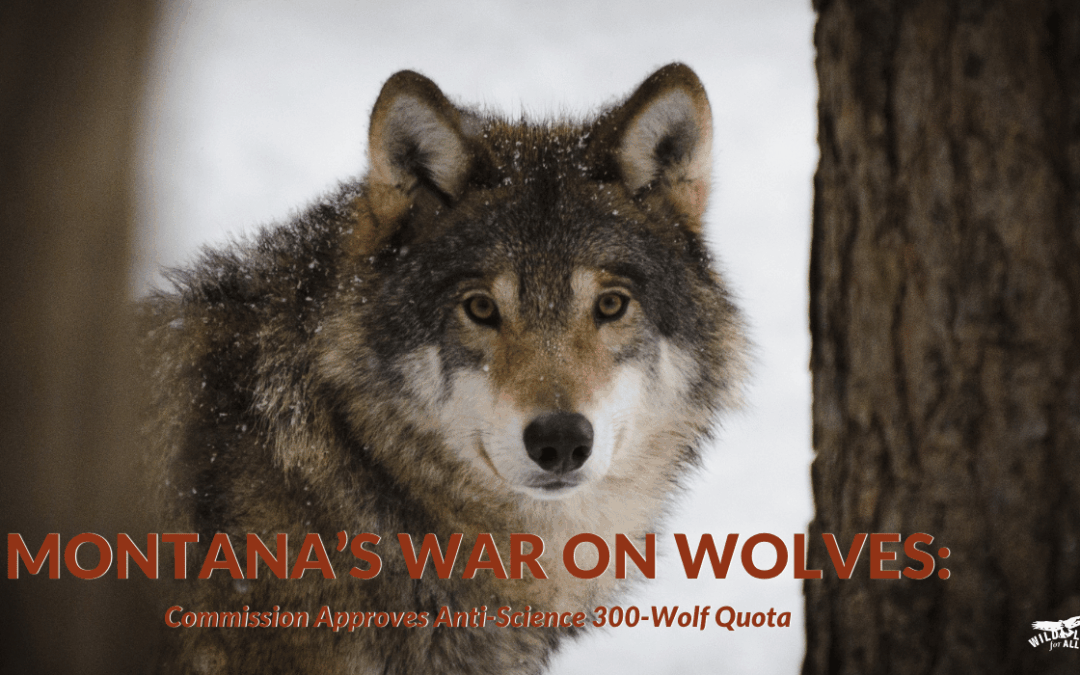
Montana wolves face an anti-science 300-wolf kill quota despite overwhelming public opposition and concerns about flawed population data.
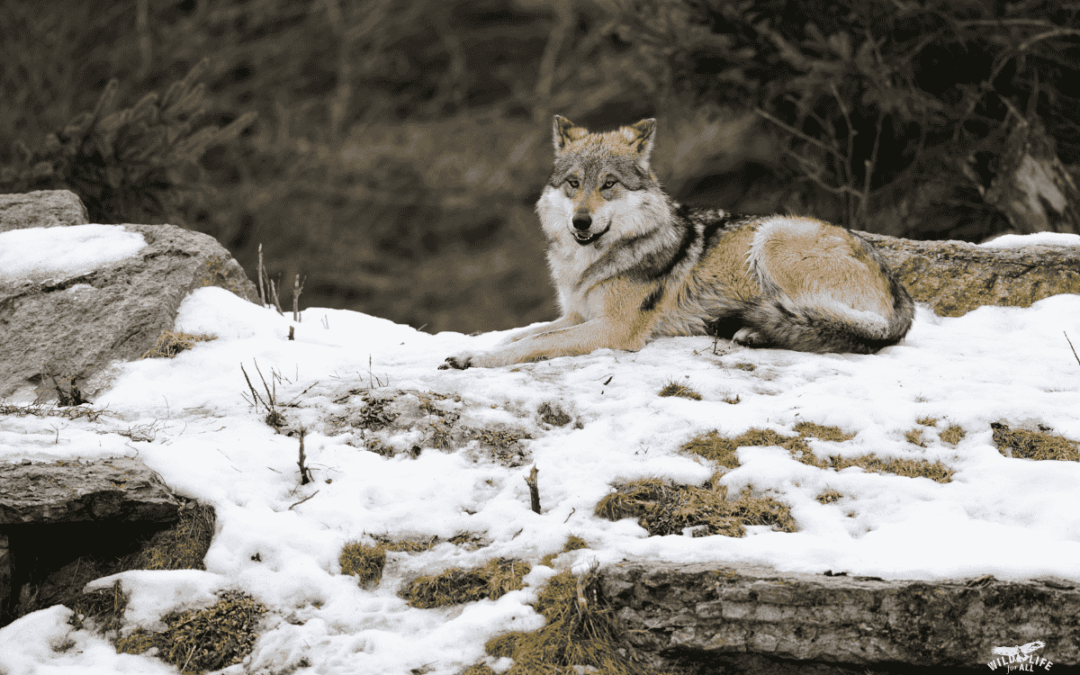
Coalition of conservation organizations demands justice for Mexican gray wolf killed in illegal coyote trap on public lands.

On June 19, 2026, Arizona Gov. Katie Hobbs vetoed SB 1280, protecting a critical aspect of the Mexican Wolf Recovery Program. This bill would have legally barred the Arizona Fish & Game Commission from transporting Mexican gray wolf pups into the state.
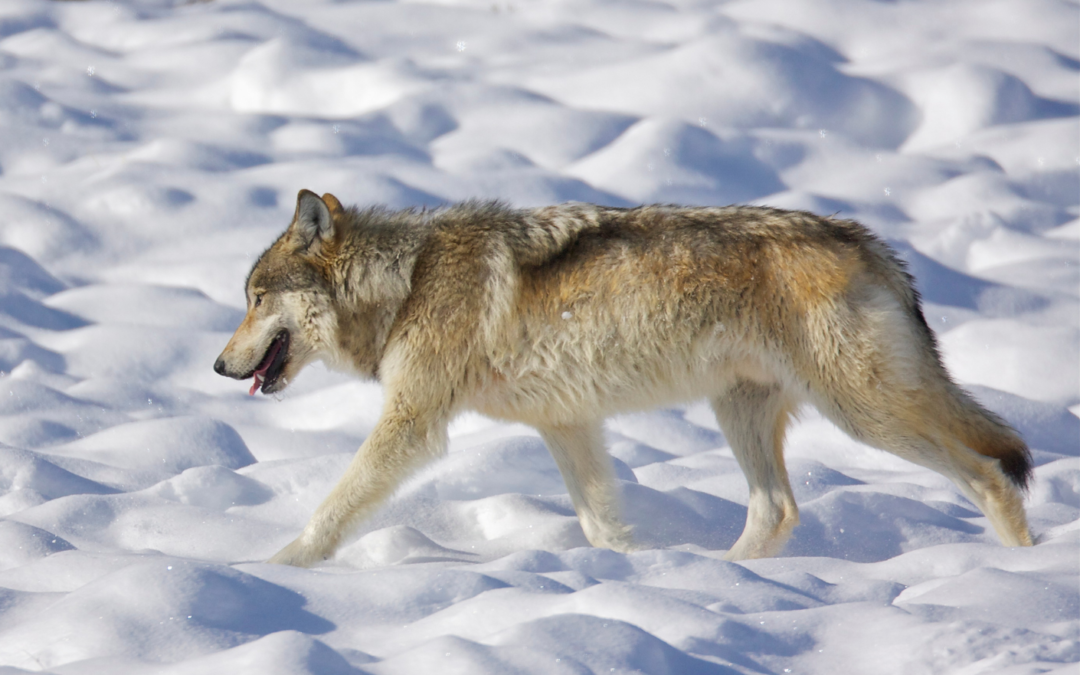
Here are 3 things you can do for wildlife this week: protect Mollie’s Pack, tell Montana to halt the killing, and speak up for grizzlies.

When secondary rodenticide poisoning threatened to wipe out Kiawah Island’s bobcat population, community members took action to safeguard the survival of this ecologically crucial carnivore.
The U.S. Fish and Wildlife Service investigated two Mexican gray wolf killings and served a federal search warrant in April of this year.
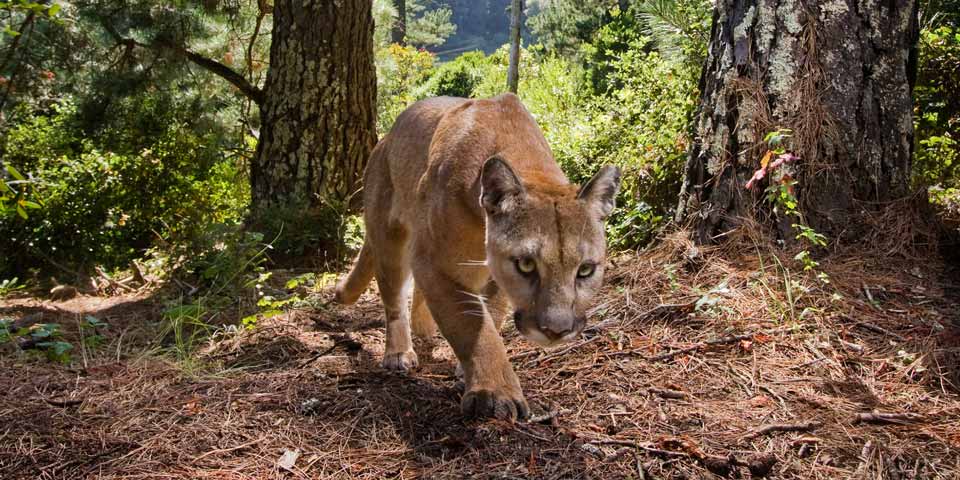
In California, the Lassen County sheriff tried to make the existence of mountain lions into a public emergency, highlighting the importance of challenging fear-based narratives about native carnivores.
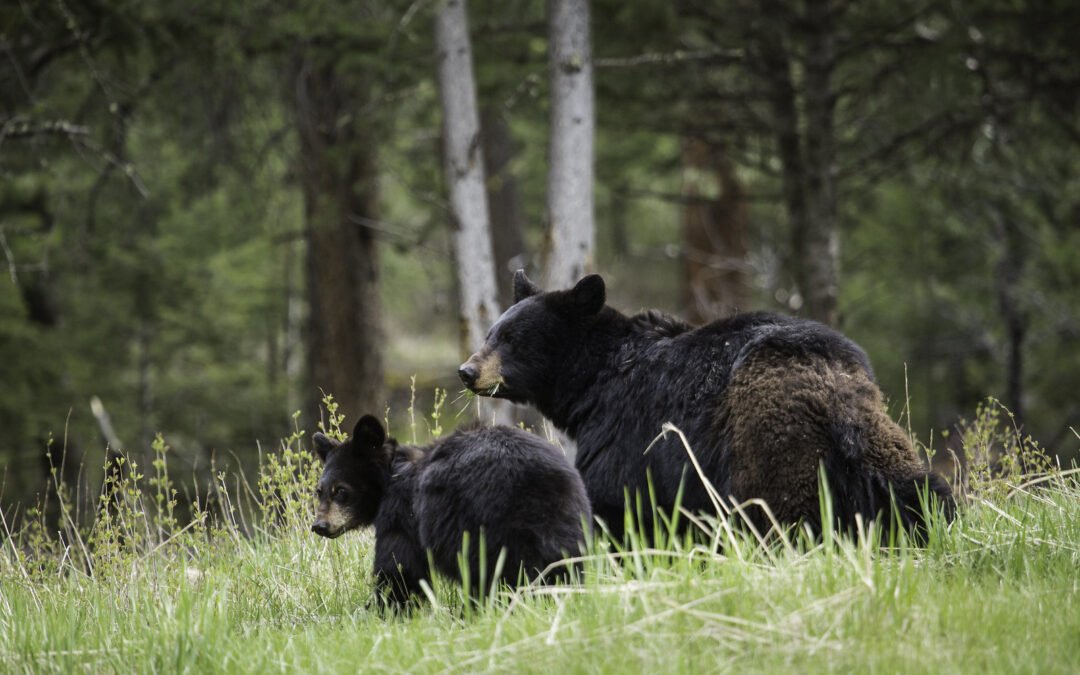
On May 20, the Vermont Fish & Wildlife Board will make decisions that will directly impact black bears across the state, including proposals to expand hunting pressure and increase the use of baiting and hounding.
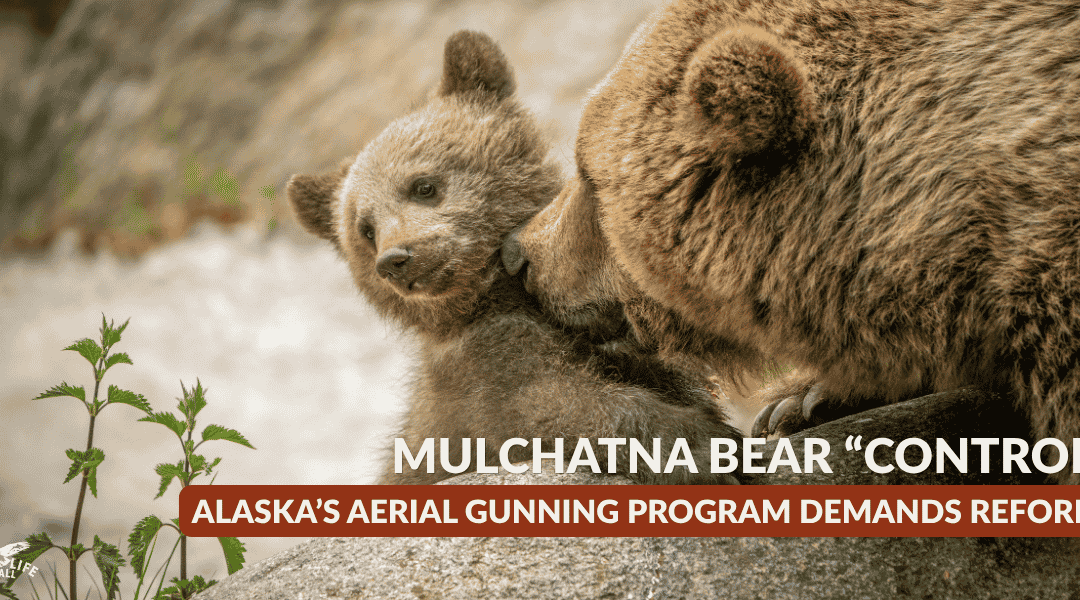
Alaska’s Mulchatna bear control program has killed nearly 200 bears despite legal challenges and scientific concerns.

Wildlife Services killing wolves in Oregon demonstrates the systemic failure in U.S. wildlife policy and highlights the need for reform.
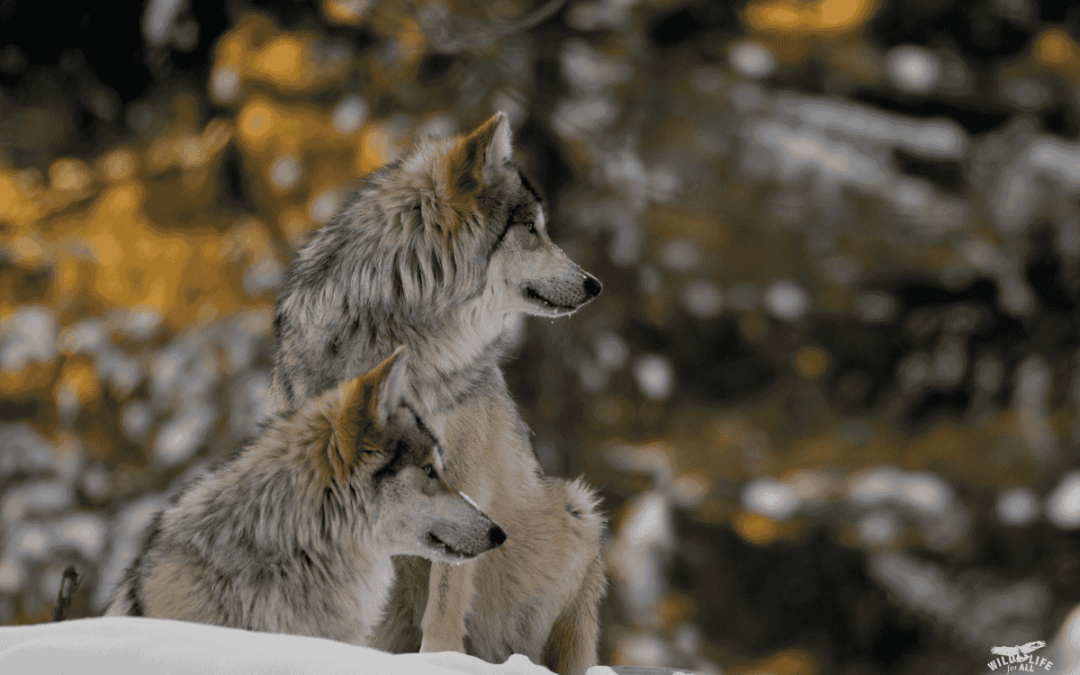
Conservationists are celebrating the historic translocation of two families of Mexican gray wolves in Mexico.
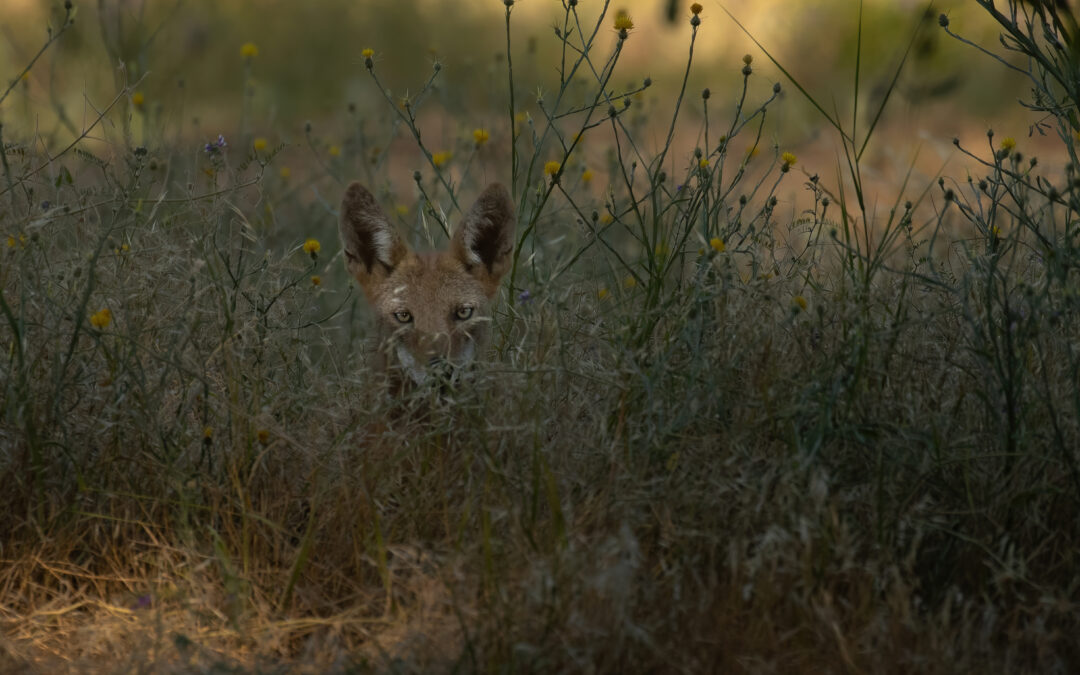
Last week’s Mount Pigsah coyote shooting reveals failures in state wildlife management and the lack of coexistence.
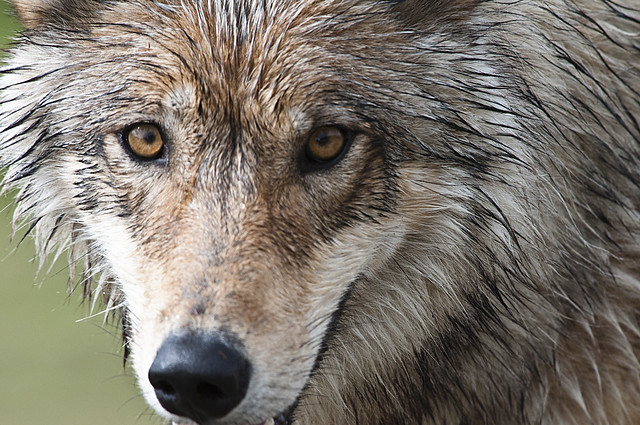
In February 2026, the Idaho Department of Fish and Game killed three wolves in the Panhandle region near Sandpoint, blaming them for an “underperforming” elk population. This isn’t “science-based management,” it’s a pattern and part of a broader systemic problem with wildlife governance.
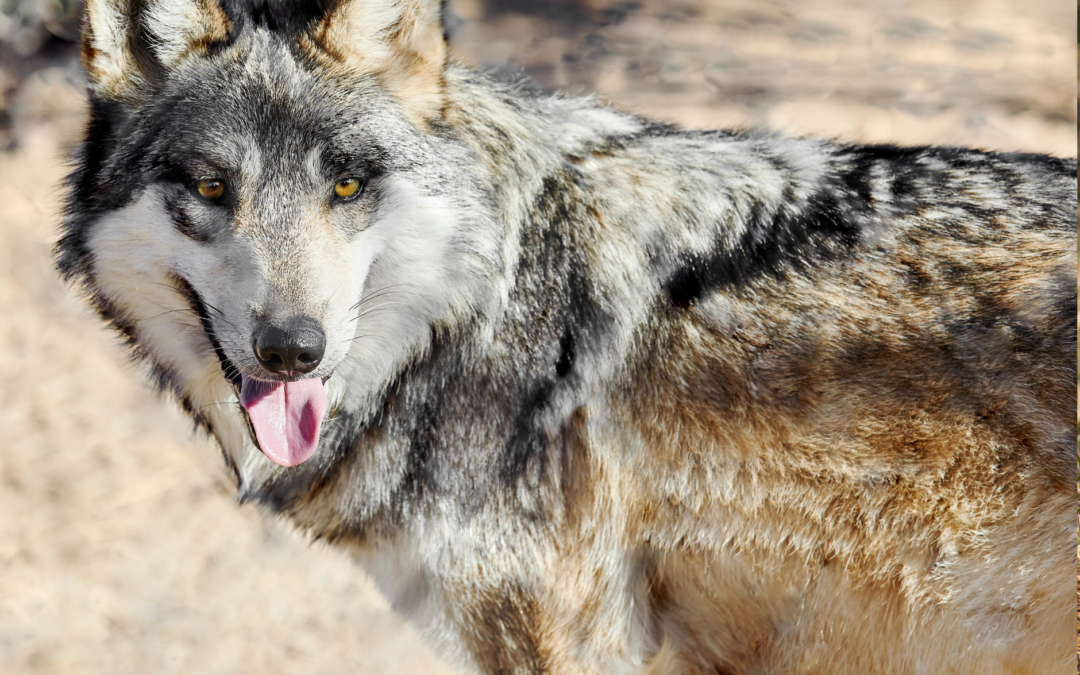
Lobo Week 2026 (March 22-29) raises awareness and advocacy for the endangered Mexican gray wolf, or lobo. The U.S. Mexican gray wolf population has grown to 319 wolves across Arizona and New Mexico, but low genetic diversity, illegal killing, and political boundaries continue to threaten their survival.
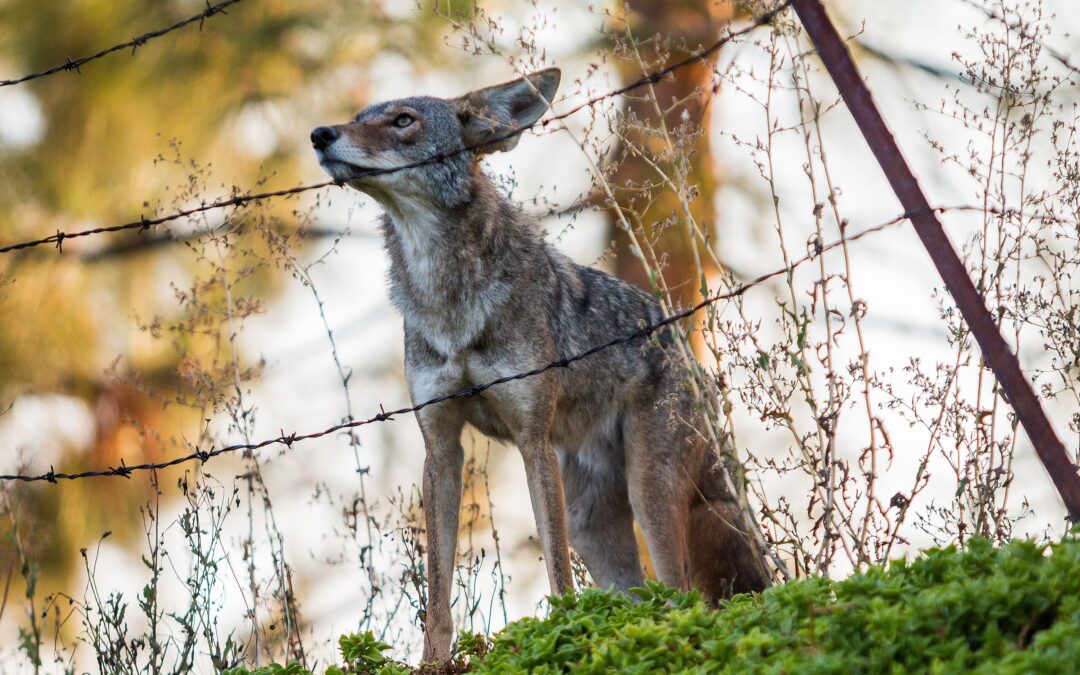
March 16-23 is Coyote Awareness Week. Urban and rural coyotes alike learned to adapt to their surroundings, find a niche, and even thrive in a world that was never built for them, despite the species’ long history of persecution within North America.
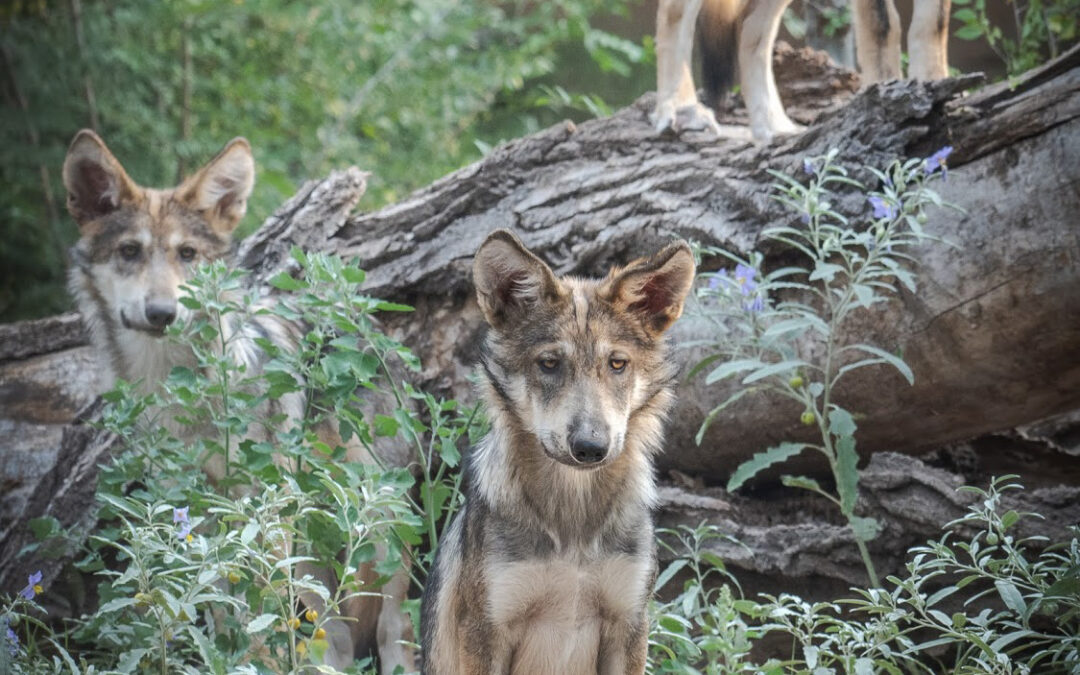
Southwest wildlife agencies today jointly announced that the number of endangered Mexican gray wolves in the Southwest grew to 319 in 2025.
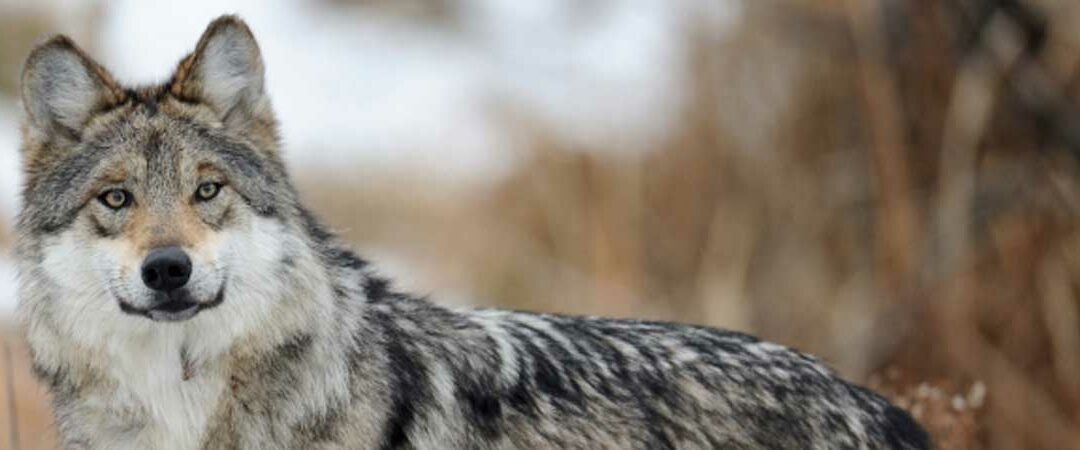
A newly revealed USFWS document allows ranchers to kill any one endangered Mexican gray wolf in two New Mexico grazing allotments.