

Tomorrow, November 25, the U.S. Army plans to detonate approximately five tons of degraded lead azide at the Iowa Army Ammunition Plant near Middletown.
The detonation is expected to produce a dust plume containing lead particles that could travel beyond the installation and settle on surrounding land and surfaces. That raises serious concerns for people, wildlife, livestock, agriculture, soil, and water.
- Check the Army’s latest dispersion and deposition maps: https://www.army.mil/asc#org-iowa-army-ammunition-plant
- Follow evacuation instructions if you’re in the designated evacuation zone.
- If you’re outside the evacuation zone but in a potentially affected area, stay indoors with windows and doors closed.
- Set heating and cooling systems to recirculate and limit outdoor air intake. Turn off exhaust fans that draw outside air in.
- Keep children and pets indoors. Cover livestock feed and water, and protect crops.
- After officials announce the airborne exposure period has ended, wet-clean potentially affected surfaces. Don’t dry sweep or stir up dust.
- Collect a soil sample now, before the detonation. Keep it sealed, labeled with the collection date and location, and stored safely so it can be compared with later testing.
- Request the Army’s post-detonation soil sampling by emailing
usarmy.ria.asc.list.pa@army.mil. - Iowa HHS recommends staying indoors for 24–48 hours after the detonation as a precaution, but follow updated local and official guidance as conditions change
The Army says it has added barriers, water, foam, and other measures to limit the spread of lead dust. But the public deserves transparent information, independent scrutiny, and thorough environmental monitoring, not just assurances that the operation is safe.
Iowa HHS recommends staying indoors for 24–48 hours after the detonation as a precaution, but shouldn’t we be asking: why is this being allowed at all?
This is also a wildlife and environmental issue. Lead is a persistent toxic metal. We need transparent air, soil, and water monitoring, public access to the results, and accountability for any contamination beyond the installation. The dust plume from the explosion could reach and settle within neighboring states like Kansas and Missouri.
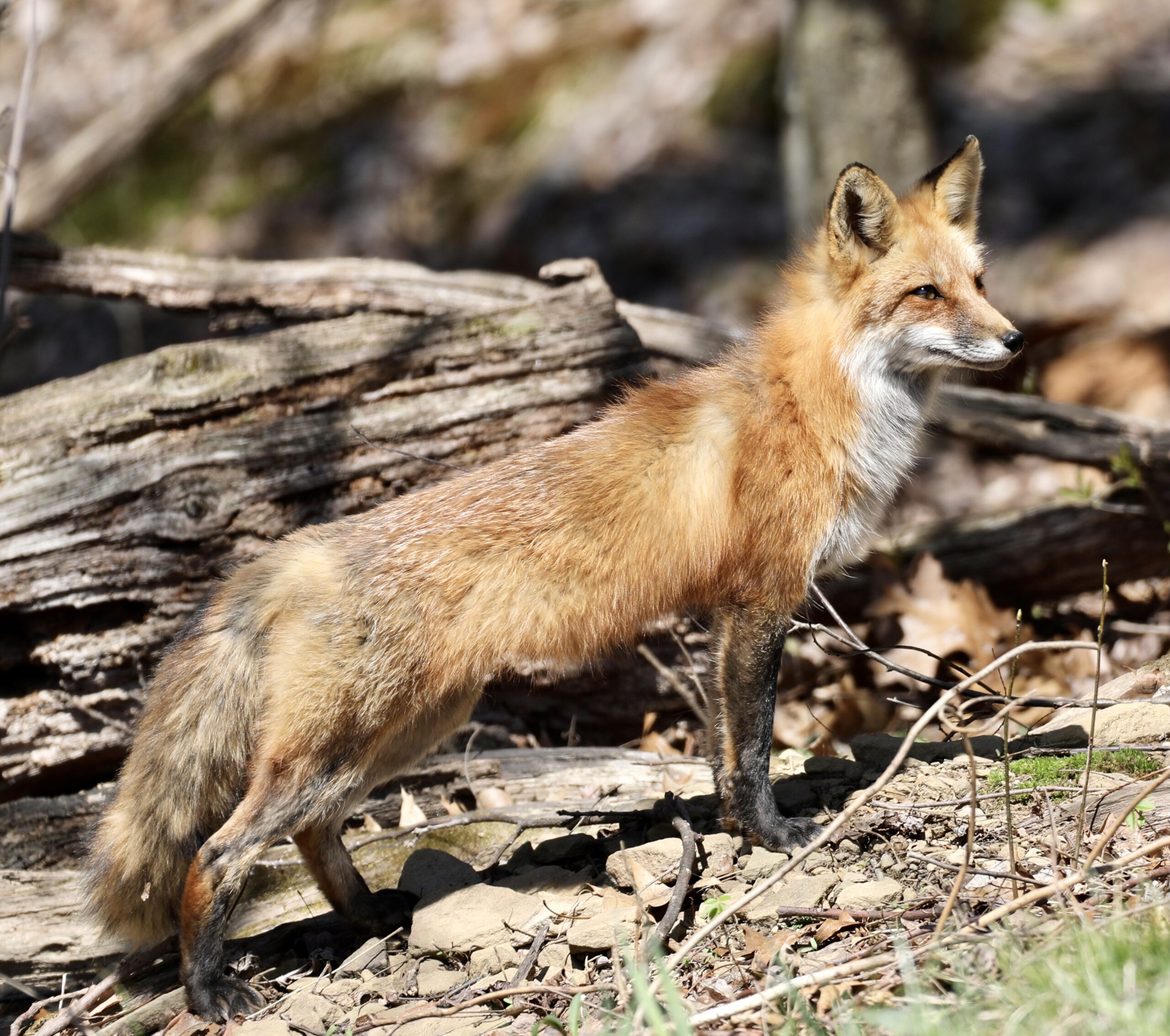
There is no safe level of lead exposure for children. Think about what that means for wildlife, especially small-bodied animals that can be harmed by even tiny amounts of this persistent neurotoxin. Lead doesn’t become less toxic because the life it encounters is a wild animal and not a person.
CALL THE ARMY. CALL THE EPA. CALL YOUR ELECTED OFFICIALS.• U.S. Army Sustainment Command: 520-693-1317• U.S. EPA Region 7: 913-551-7003 or 1-800-223-0425 and EPA project manager Patricia Murrow: 913-551-7627.• Iowa Governor Kim Reynolds: 515-281-5211.
Demand that federal officials stop and reconsider this detonation, fully disclose the environmental risks, and protect the communities, farmland, waterways, and wildlife that could be affected.
Don’t let this happen without accountability. Lead doesn’t stop at state lines, and neither does your health and safety, or wildlife’s.