By Elissa Frank
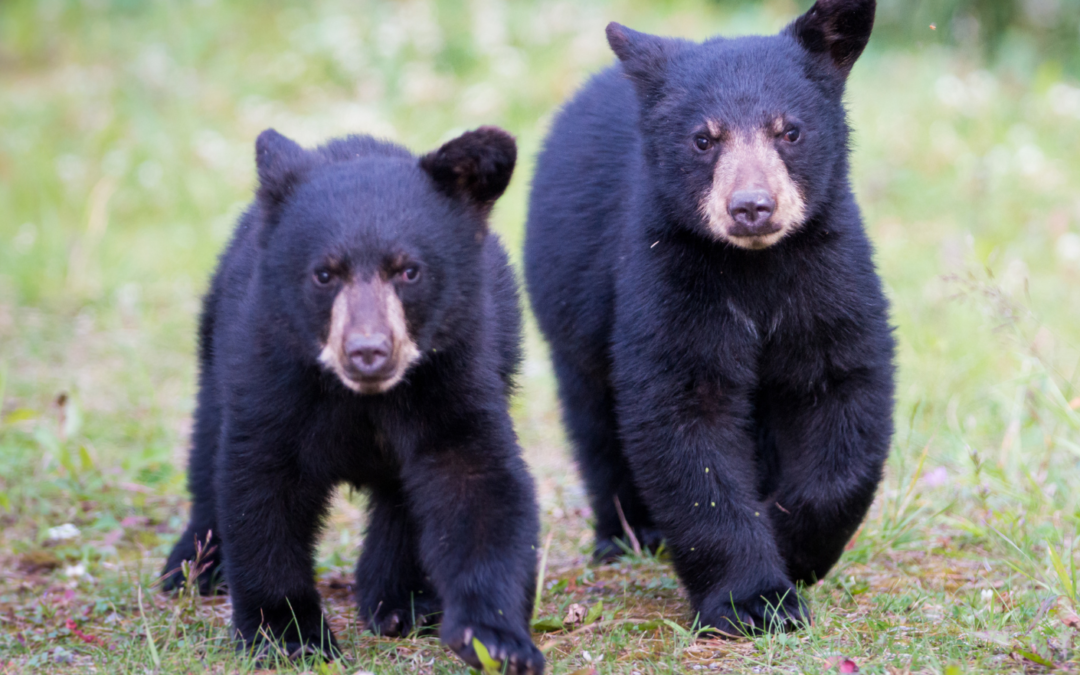
“We need to resolve human-bear conflicts using sound science, and we humans must adopt common sense behaviors…Trophy hunting has no role to play in mitigating the kind of human-bear conflict characteristic of our state.”

By Elissa Frank
“We need to resolve human-bear conflicts using sound science, and we humans must adopt common sense behaviors…Trophy hunting has no role to play in mitigating the kind of human-bear conflict characteristic of our state.”

By Eli Frankcovich
In a poll of Washington state residents recently conducted by Washington Wildlife First, “a majority of Washington voters believe state wildlife managers’ goal should be ‘preserving and protecting fish and wildlife,’ while only 20% believed that WDFW’s goal should be maximize hunting and fishing opportunities.

By Eli Francovich
A key component of Wildlife For All is our belief that wildlife management should be democratic and inclusive of the public’s values and interests. The controversy over being included at The Wildlife Society conference this week in Spokane exemplifies the dominance the sporting and gun industry has in wildlife management.
From The Revelator
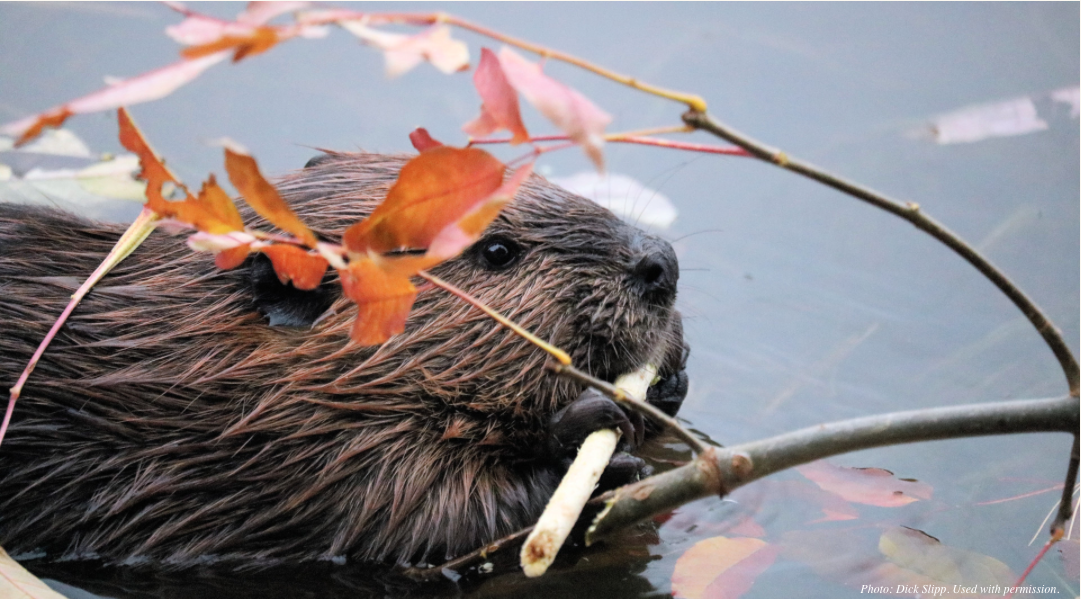
“Beavers are too often seen as a tool for humans, rather than animals with their own agency and agenda.”
From NPR
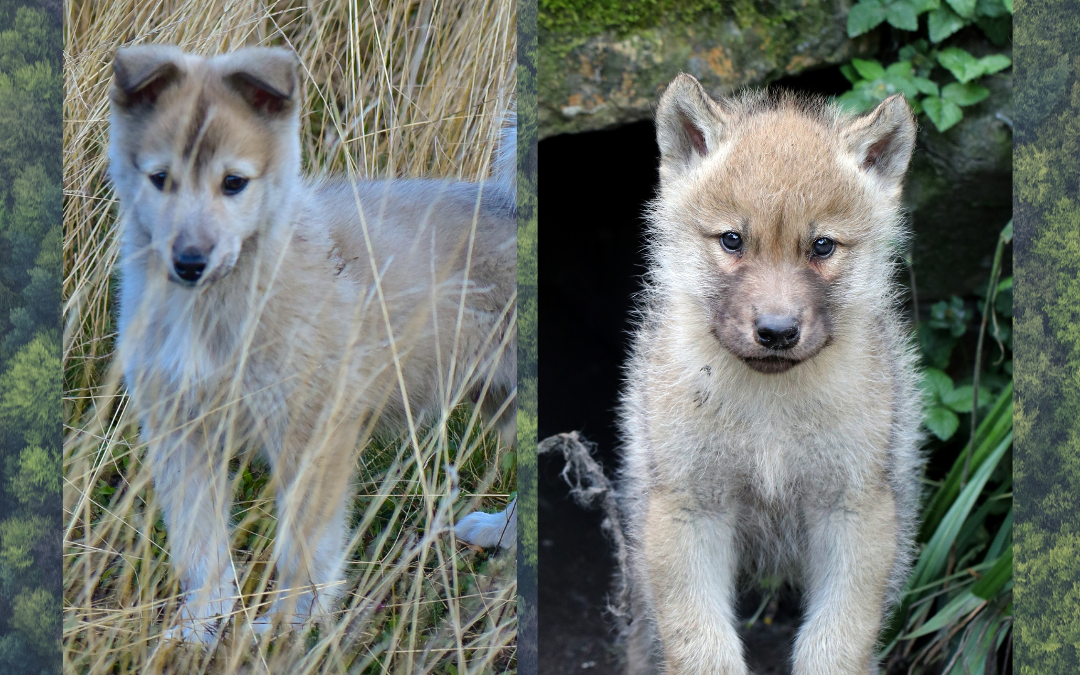
Recently in Montana, a woman posted on social media that she “smoked a wolf pup” while out hunting bear. The problem is that she didn’t – she killed a domestic husky who’d been dumped in the area earlier that week. The commentary and news stories that followed the event highlight people’s “speciesism,” or preference for one species over another. After all, wolves and dogs may share the same wolf ancestors. The story provoked an outpouring of moral outrage and renewed questions over why Montana’s wolves can be hunted at all.

By Fred Koontz
In this article for The Wild Felid Monitor, former Washington State Fish and Wildlife Commissioner, Fred Koontz, discusses the looming issue facing wildlife commissions across the U.S.: whose values count most in determining fish and wildlife priorities, regulations, and policies?
By Don Molde
In this opinion piece, Molde explores the definition of conservation and the importance of expanding that definition to recognize the sentient nature of wildlife. “Fish and wildlife agencies do have a challenge ahead if they want greater public involvement and financial support for their important activities. There are many ways their management techniques could be improved. It is a matter of attitude and commitment which recognizes the public’s growing recognition and appreciation of the sentient nature of wildlife.”
By Patrick Greenfield
Earth’s wildlife populations have plunged by an average of 69% in just under 50 years, according to a leading scientific assessment, as humans continue to clear forests, consume beyond the limits of the planet and pollute on an industrial scale.
By Francisco J. Santiago-Ávila, Renee Seacor, and Michelle Lute
This article explores the ethical considerations of coexisting with wolves, and exposes the agencies that are biased towards domination instead of “reciprocal, caring relationships to wildlife that benefit us all.”
By Kristin Combs
This compelling letter, written by Wildlife for All coalition member Kristin Combs, challenges Wyoming Governor Gordon’s claims that wolf management in the state deserves praise. Combs explores the many ecological and economic benefits of wolves, while disproving the Governor’s claims that wolves are recovered and that the state is using best available science in its management practices.
By Christopher Ketcham
85 years ago, hunters were one of the primary user groups of public lands, and so the passage of the Pittman-Robertson Act seemed reasonable. However, over the past century, hunters have become a minority among gun owners, which begs the question, “Should the sale of a product that today is responsible for so much bloodshed, mayhem, fear and social division be tied to the financing of conservation?”

By Paul Krugman
In this op-ed in the New York Times, Paul Krugman argues that the current opposition of Republican politicians to environmental protection is not based on ideology or contributions from polluters, but rather because the environment has become part of a culture war with its roots in issues of race and ethnicity. Although Krugman focuses on climate policy, the same argument could be made about wildlife policy, as described in this excellent article in the New Yorker.
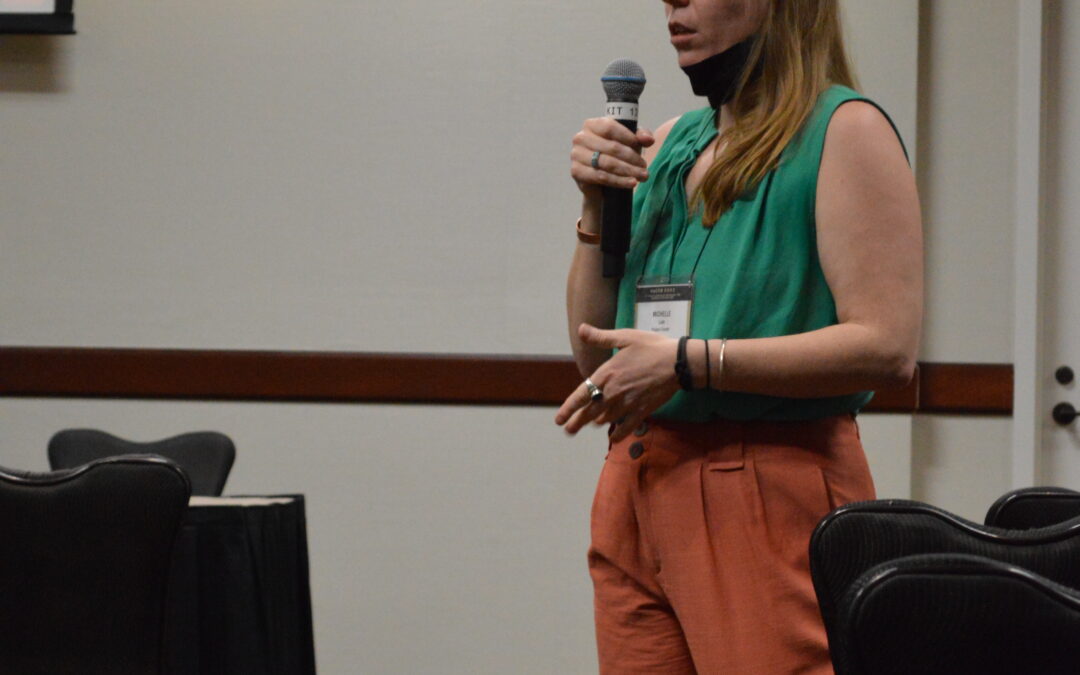
Symposium: Modernizing State Wildlife Management to Restore Wildlife Resiliency given at the 2022 North American Congress of Conservation Biologists.

This slide presentation by Kevin Bixby was given to ESC Grassroots via Zoom on July 11, 2022 and is based on his
op-ed published in Truthout by the same name.
By Don Molde
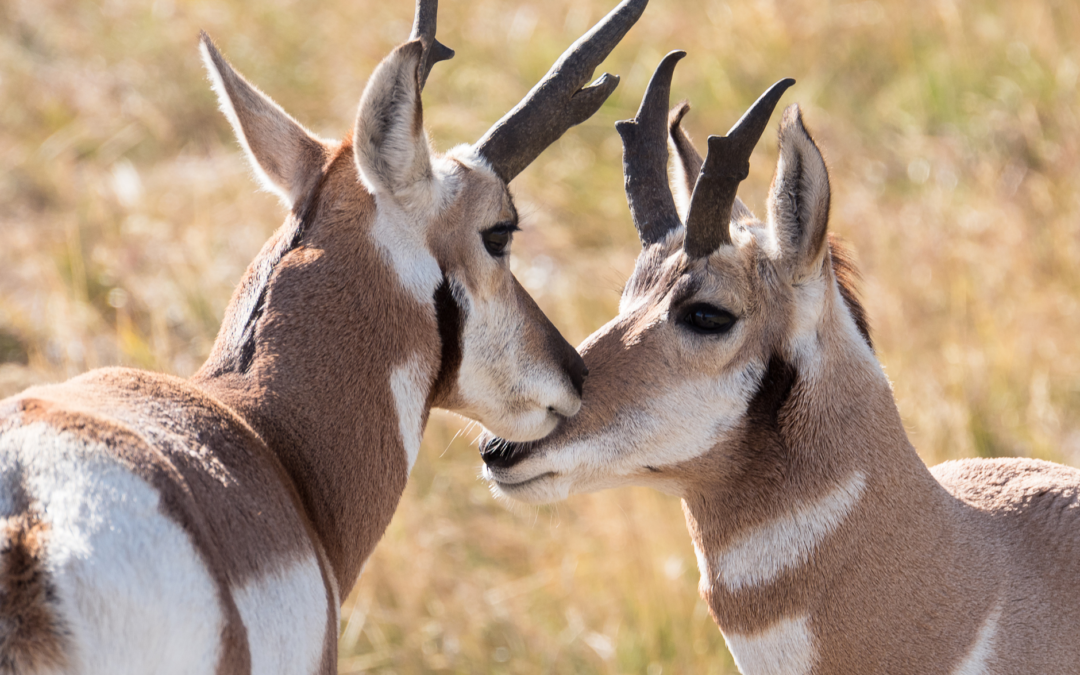
This opinion piece examines the notion of ‘sustainable yield’ versus intrinsic value of wildlife. Don Molde explains the American Wildlife Values survey and the different ways that people view and value wildlife. These values differ widely between the general public and the agencies that manage our wildlife, with agency personnel viewing wildlife “as something akin to property, managed for the sole benefit of humans.”
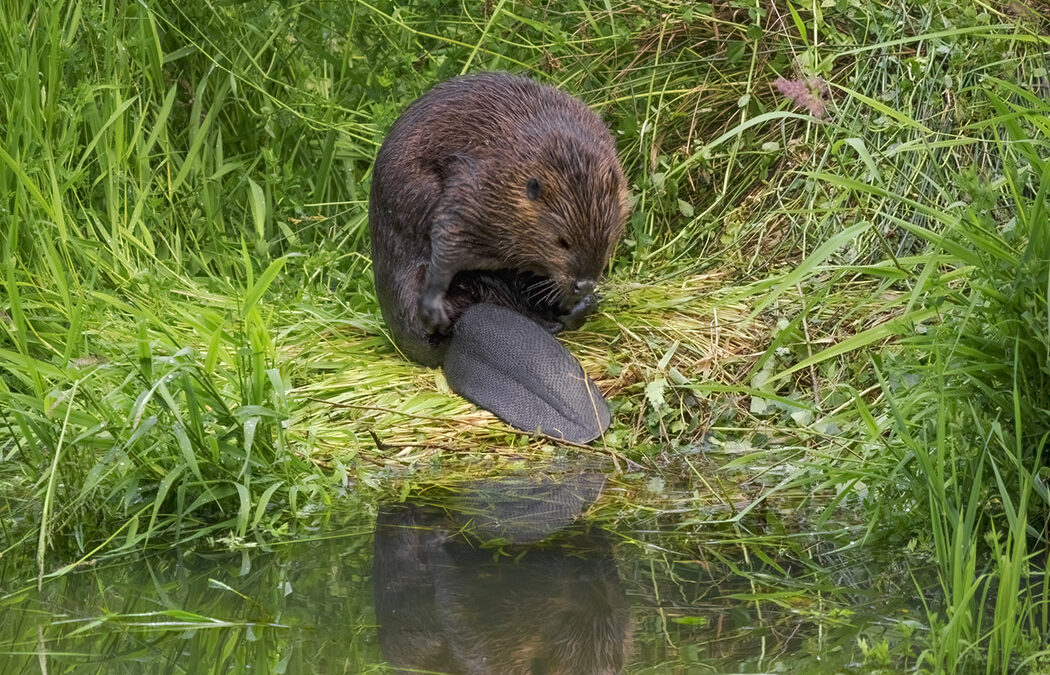
With climate change transforming the American West, an industrious mammal could help mitigate some of the worst of the coming drought and flooding crises. The West is getting drier in the dry season and more prone to flooding in the wet season. Beavers could well be a relatively low-cost part of resiliency efforts. As natural ecosystem engineers, these largest-of-North-America’s rodents “increase water storage in ponds and surrounding floodplains, thus slowing winter flows, increasing riparian and meadow water availability and extending stream flow up to six weeks into dry summer seasons.”

Op-Ed in Truthout by Wildlife for All’s Executive Director, Kevin Bixby
It’s time to get guns out of wildlife conservation.
The firearms industry and state wildlife agencies have been joined at the hip since Congress passed the Pittman-Robertson (PR) Act in 1937. The law redirected an existing federal tax on firearms and ammunition to the states to help restore depleted game populations. The model worked as intended for years, but nonhunting gun buyers have far surpassed hunters as the main source of PR Act funds. At a time of rising gun violence, when there are more guns in the U.S. than people, does it make any sense to be using public funds to encourage more gun use?

By Albuquerque Journal Editorial Board
This editorial looks at the current flawed system in which New Mexico Game and Fish Commissioners are appointed and removed by the Governor with little to no oversight. This year, two commissioners were dismissed because their positions clashed with those of the governor. All appointed commissioners are supposed to by confirmed by the state Senate, although that has not happened in recent years. “The system is stacked so the only qualification to serve is showing fealty to the governor rather than making independent decisions about a resource you’re entrusted to manage and protect on behalf of the residents of New Mexico. That has to change.”
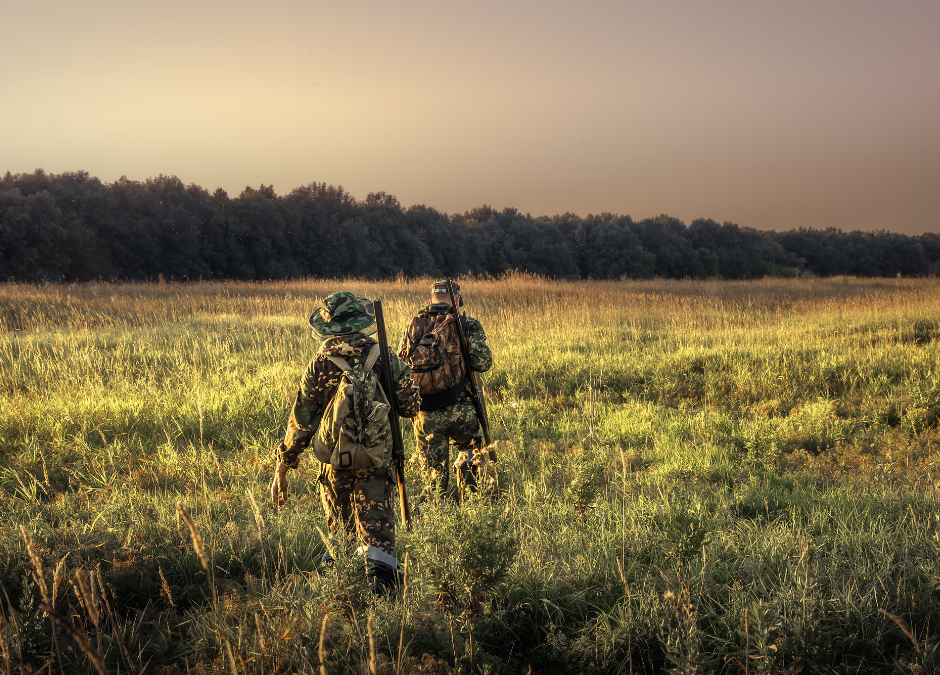
Wildlife for All’s Executive Director Kevin Bixby recently talked about wrestling wildlife governance reform from the tight grip of the hunting, fishing, and gun industries on Rewinding Earth’s podcast (Episode 92).

By Emma Cotton
Gov. Phil Scott of Vermont recently appointed three new members to the state’s Fish and Wildlife Board. “All three cite a love of hunting that began during childhood.” Qualified candidates submitted applications – yet never received any reply. Appointments to commissions need to be transparent and follow due process.