Montana wolves face an anti-science 300-wolf kill quota despite overwhelming public opposition and concerns about flawed population data.
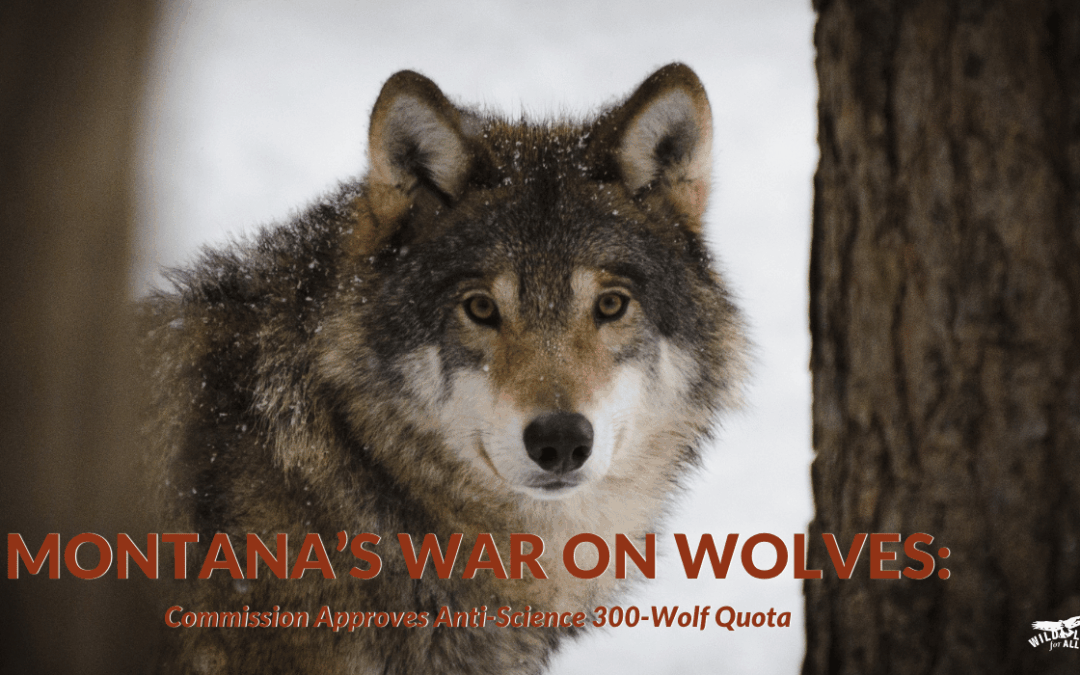

Montana wolves face an anti-science 300-wolf kill quota despite overwhelming public opposition and concerns about flawed population data.

Recent high-profile cases of wildlife cruelty are not isolated incidents but symptoms of deeper failures in state wildlife governance. As authority increasingly shifts to the states, outdated policies, limited public accountability, and weak protections are creating...
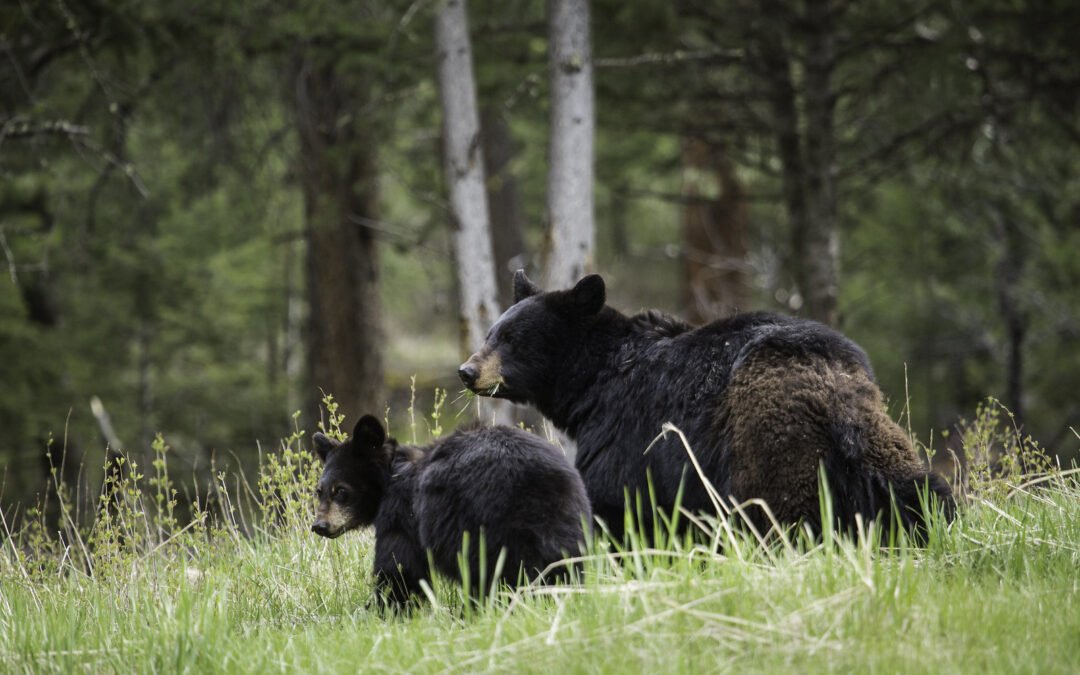
On May 20, the Vermont Fish & Wildlife Board will make decisions that will directly impact black bears across the state, including proposals to expand hunting pressure and increase the use of baiting and hounding.
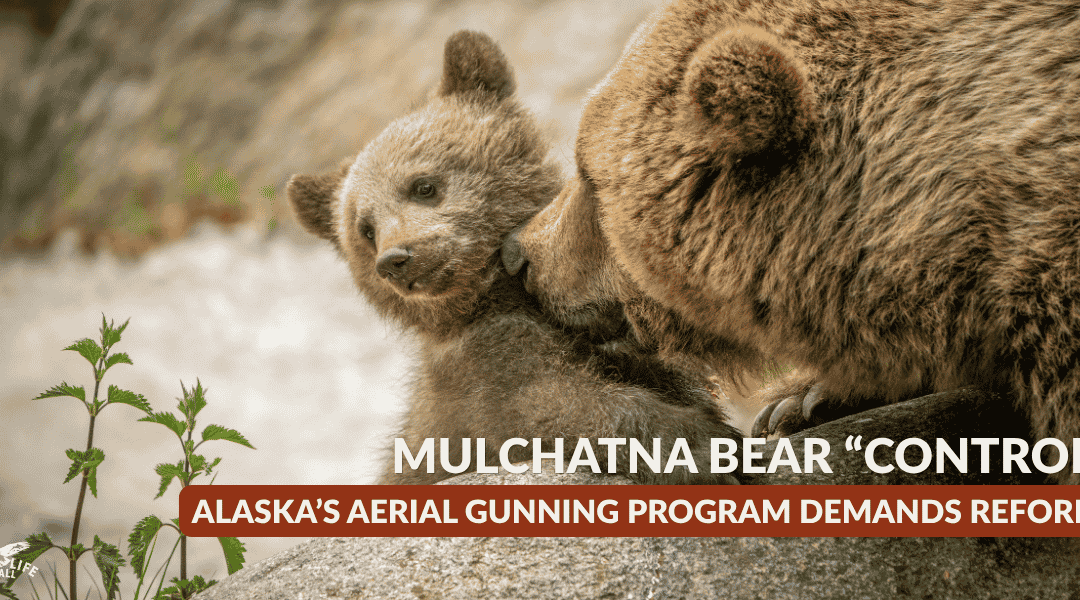
Alaska’s Mulchatna bear control program has killed nearly 200 bears despite legal challenges and scientific concerns.
Across the United States, most conservation work is carried out outside traditional wildlife management systems.
Washington Wildlife First filed a federal civil rights lawsuit today against Washington Department of Fish and Wildlife (WDFW) Director Kelly Susewind and Deputy Director Amy Windrope, challenging what plaintiffs describe as a coordinated campaign to silence dissent and undermine independent oversight of the agency.

An Idaho Fish and Game commissioner has been charged with multiple misdemeanor wildlife violations, according to court records.
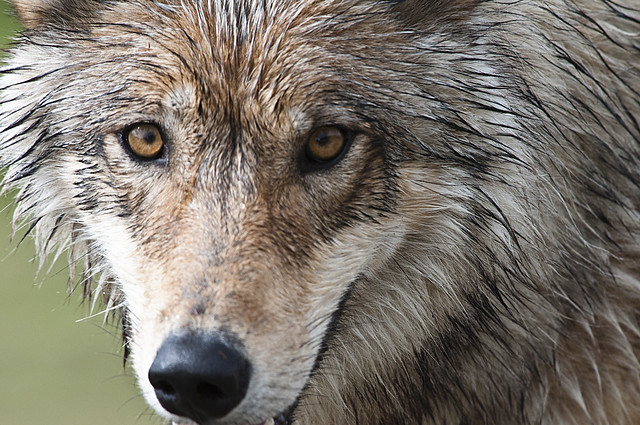
In February 2026, the Idaho Department of Fish and Game killed three wolves in the Panhandle region near Sandpoint, blaming them for an “underperforming” elk population. This isn’t “science-based management,” it’s a pattern and part of a broader systemic problem with wildlife governance.
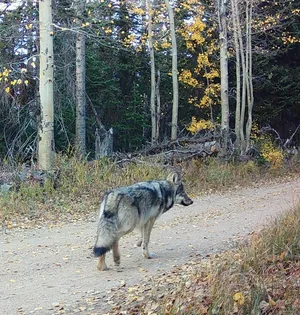
Colorado wolf 2404 is the lost Copper Creek pup who survived what no young wolf should: losing his family, a gunshot wound, and a year alone.

Tell the Colorado Parks & Wildlife Commission to stop the commercial sale of fur to protect Colorado’s furbearers.
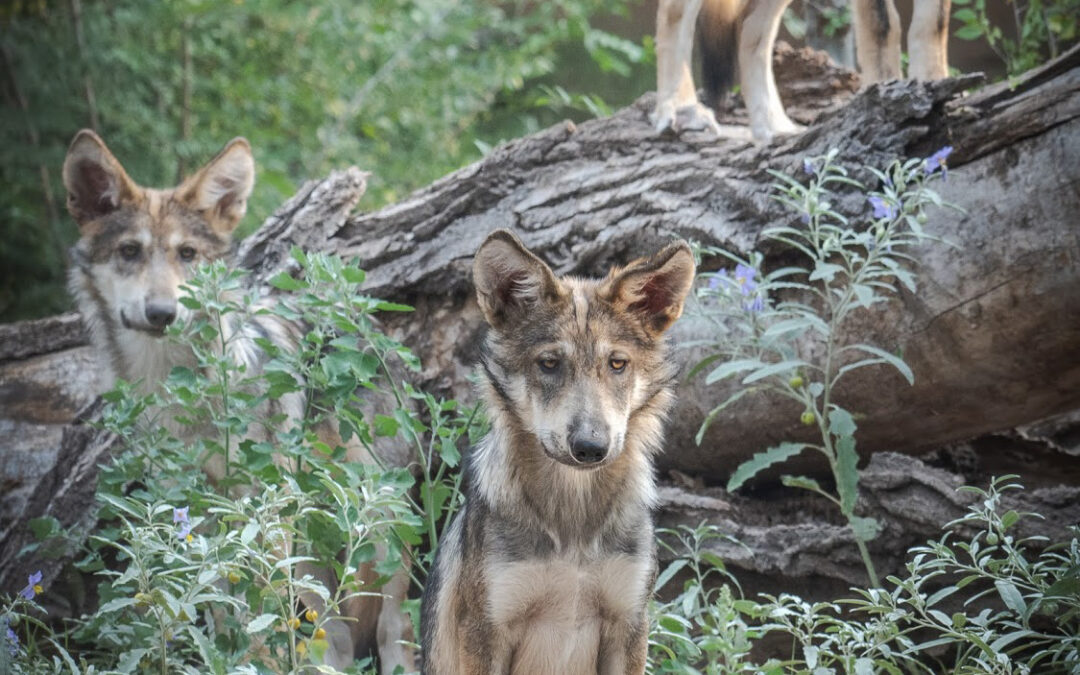
Southwest wildlife agencies today jointly announced that the number of endangered Mexican gray wolves in the Southwest grew to 319 in 2025.
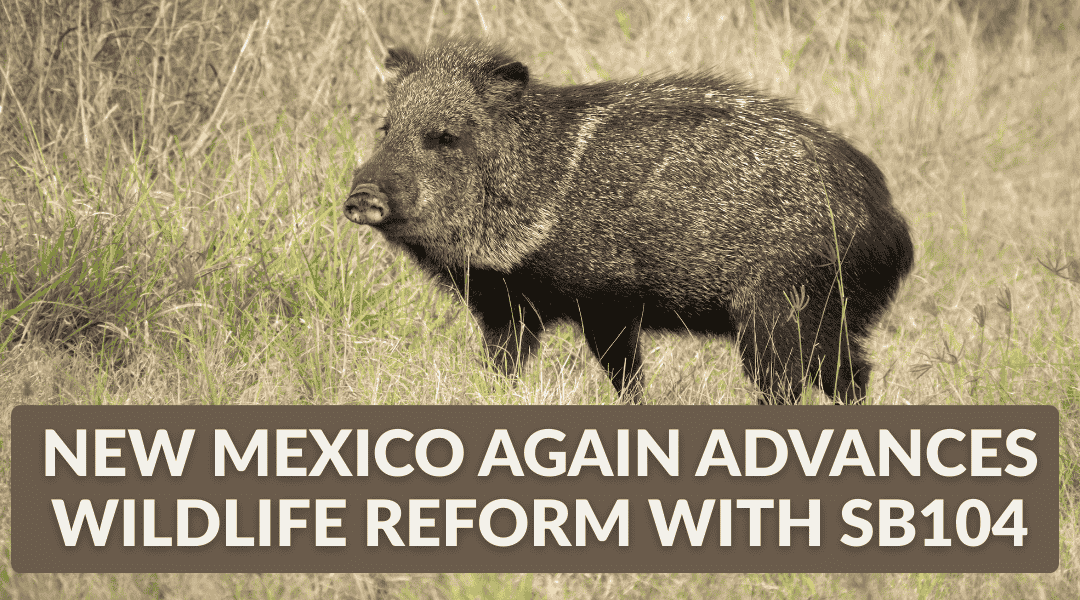
Yesterday, the New Mexico Senate unanimously passed SB104, strengthening wildlife commission independence and governance reform.
We’re proud to share our 2025 Annual Report, which captures a year of historic progress, strategic clarity, and expanding public power for wildlife and democracy.

The 287(g) program allows local officers to detain and transfer people to ICE and wildlife agencies are participating directly.

We analyzed the change from 2015 to 2025 SGCN lists and most states have significantly more species at risk than they did a decade ago.

In 2026, Wildlife for All is stepping into the arena as champions with a sharpened strategy, a stronger team, and movement momentum.

Explore Wildlife for All’s 2025 year in review, highlighting our nationwide impact on wildlife governance, landmark policy wins like New Mexico’s SB5, grassroots organizing successes, and the growing movement of advocates protecting ecosystems, science, and democratic decision-making.

Wolf Awareness Week 2025 is about more than celebrating wolves — it’s a call to reform broken state wildlife governance systems that endanger them.
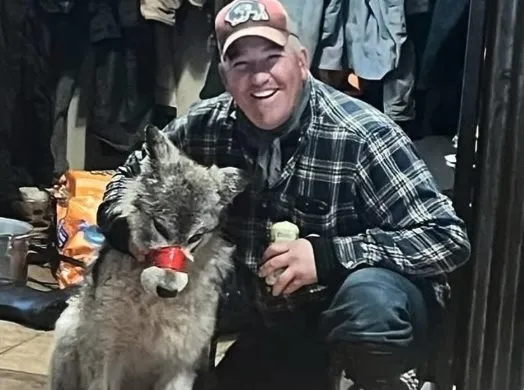
Cody Roberts has been indicted by a grand jury. But his wolf torture case shows why state wildlife governance needs urgent reform.
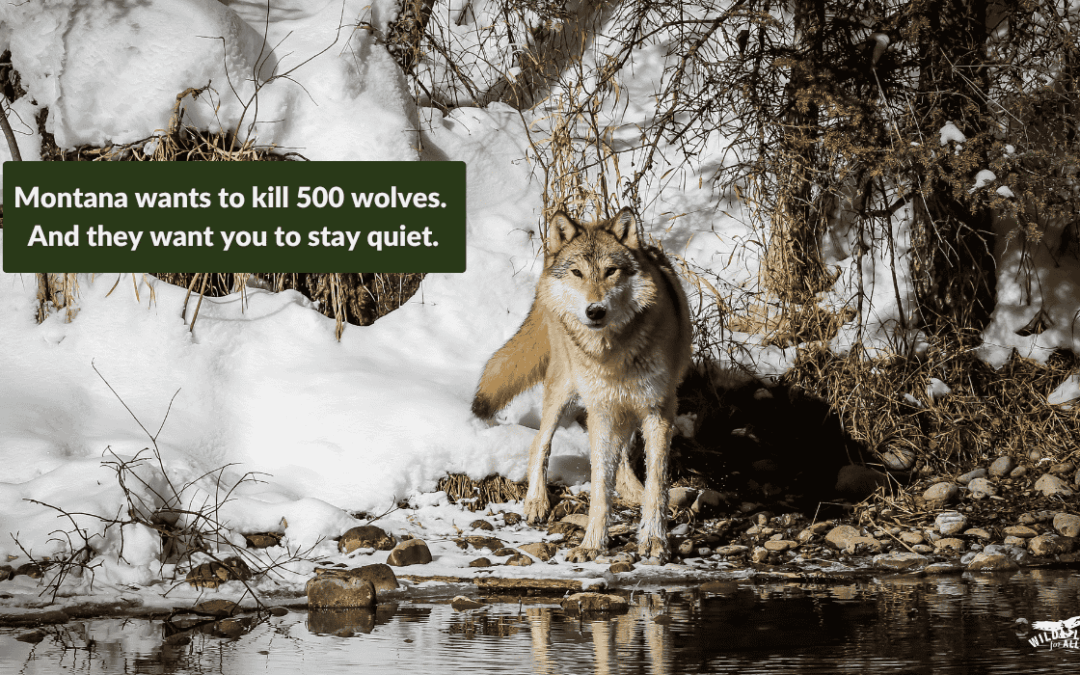
The Montana war on wolves is escalating. The state’s proposed regulations threaten to wipe out wolves within five years. Alert: New Amendments Reveal Montana Commission Wants to Double Down on Wolf-Killing Ahead of Court Review Just after a federal judge ruled that...