
The Reality of Conservation In the United States
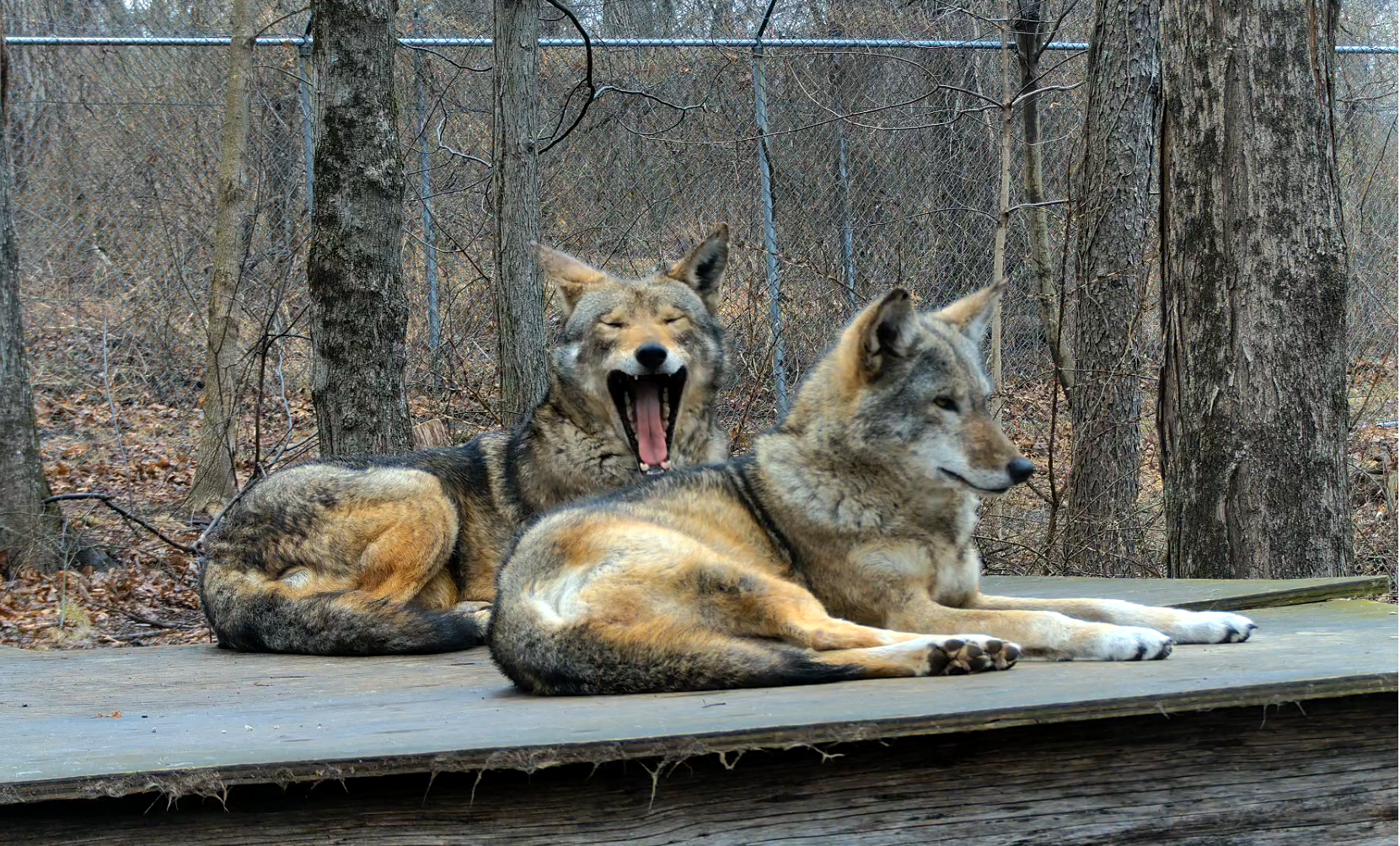
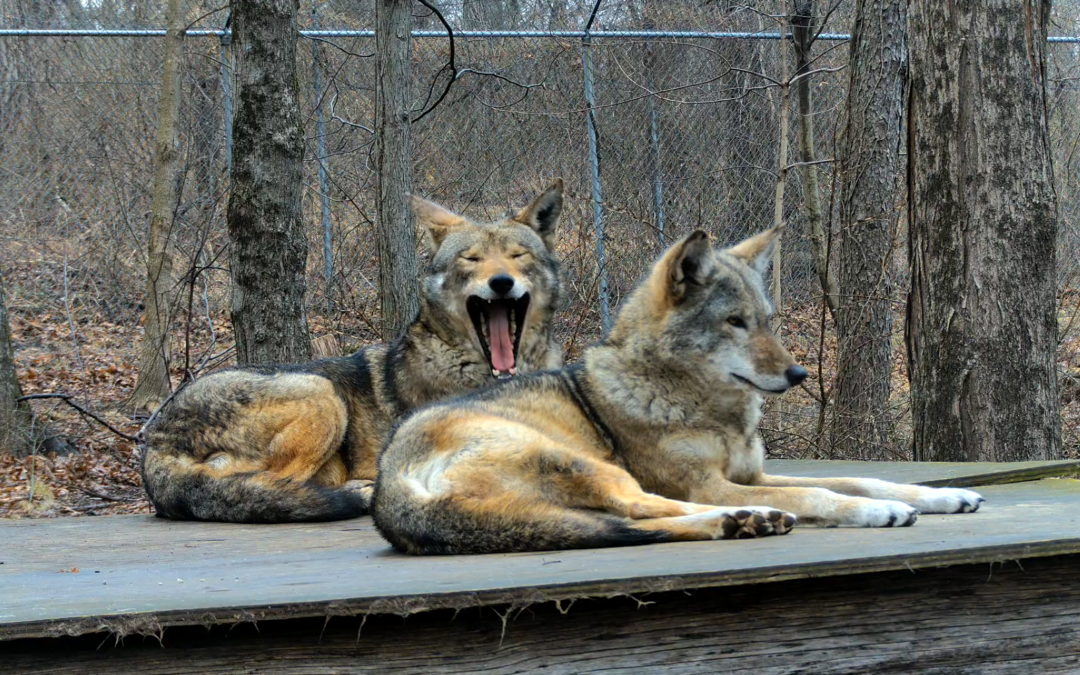
2025 webcam image capture of Mac Tíre (left) and Ginger, endangered red wolves at the Wolf Conservation Center in South Salem, New York
Who Is Actually Doing Conservation Work for Wildlife and Ecosystems?
Earth Day is tomorrow. Across the country, people will show up to do the actual work of conservation: restoring native habitat, monitoring species, cleaning waterways, removing invasives, and taking care of the places wildlife depend on.
That work is not symbolic. It improves soil health, increases biodiversity, restores habitat connectivity, supports pollinators, and stabilizes ecosystems that species rely on to survive. It is measurable, it is ongoing, and it is largely carried out by people who are not part of the hunting and fishing system.
And yet, that work is rarely centered in how conservation is defined or discussed by state wildlife agencies.
Instead, there is a persistent claim that hunting is conservation, and that wildlife depends on it to survive. That framing elevates one funding mechanism and one set of activities above all others, while sidelining the broader base of people and practices that are actually sustaining ecosystems across the country.
That claim doesn’t hold up, and it is used to reinforce a system where a small segment of the public maintains disproportionate influence over wildlife policy, funding, and management, while the majority of people contributing to conservation remain largely excluded from decision-making.
The result is a widespread definition of conservation that does not match reality. It obscures where conservation is happening, who is doing it, and what wildlife actually needs … all in the middle of a biodiversity crisis.
The Claim That Hunting Is Conservation
Hunters and anglers do contribute to state wildlife agency budgets, but they are not the sole source of funding and not even the majority when all revenue streams are accounted for. License sales make up a portion of agency funding, and federal excise taxes are often cited as hunter-funded, but most of those dollars come from purchases unrelated to hunting. A significant share of conservation funding also comes from the general public through taxes and other sources.
The claim that hunting is conservation helps maintain the status quo. It narrows the definition of conservation to activities tied to a specific user group and justifies a governance structure that does not reflect the values or participation of the majority of people.
More importantly, state wildlife agencies are not synonymous with conservation. A large portion of their work is focused on managing game species for harvest, maintaining hunting and fishing access, and producing opportunity for license buyers. That is a specific mandate, not a comprehensive conservation strategy.
Wildlife is a public trust resource that belongs to all of us (and to themselves), and everyone working to save them should be recognized for their contributions and be given a voice in decision-making.
Conservation Beyond State Wildlife Agencies
Meanwhile, much of the work that actually protects biodiversity happens outside that system. Activities like stream cleanups, native bee counts, planting native species, building birdhouses, clearing litter from roadways, and all the ways people show up for the planet on Earth Day and every day all help conserve wildlife and ecosystems. That work is largely funded and carried out by the broader public.
Conservation in this moment requires more than maintaining existing systems. It requires aligning wildlife governance with science, with the full scope of conservation work happening on the ground, and with the public that is already showing up to do that work.
If that alignment does not happen, the gap between what people are doing for wildlife and how decisions are made about wildlife will continue to grow.
How are you helping wildlife tomorrow? And what are you changing in your daily life to help them every day?