
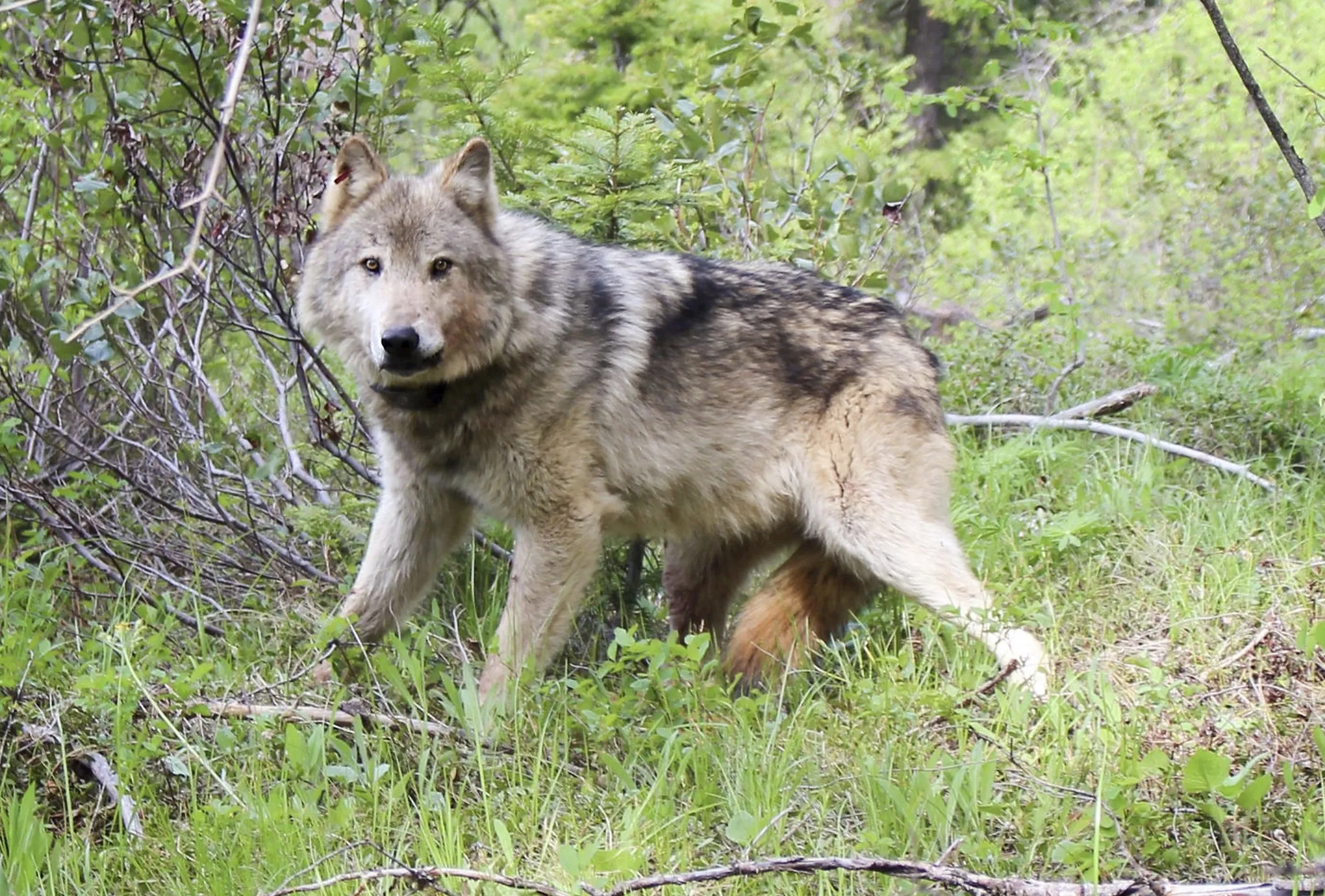
A gray wolf stands amidst tree cover, staring at the camera. Image courtesy of The Seattle Times.
The biggest myth in wildlife policy is that it’s purely scientific. Not sure what we mean? Let’s look at two very different scenarios with the same fundamental problem.
Two different states, two different species, same underlying problem
In Montana, some policymakers have spent years escalating a war on wolves: expanding kill limits, legalizing tactics like snaring and night hunting, and removing safeguards to drive populations down. However, despite decreased protections, reported wolf kills this year fell below the 10-year average. Not because the system worked – rather, a warm, low-snow winter made wolves harder to track and a shortened trapping season reduced pressure.
Critically, the state wildlife agency’s approach to wolf management is built on shaky ground to begin with. Montana Fish, Wildlife, and Parks relies on the Integrated Patch Occupancy Model (iPOM), a tool designed to estimate where wolves are, not how many exist. The iPOM model predicts distribution, not abundance. iPOM data is based on hunter observation and lacks peer review. In absence of more precise population modeling, reliance on iPOM could erroneously label declining wolf populations as stable. Montana’s aggressive wolf-hunting policies do not align with ecological principles or data, and lack reasonable safeguards for wolf populations. Without reliable population data, setting quotas to kill hundreds of wolves is not “responsible science-based management”, it’s guesswork with consequences.
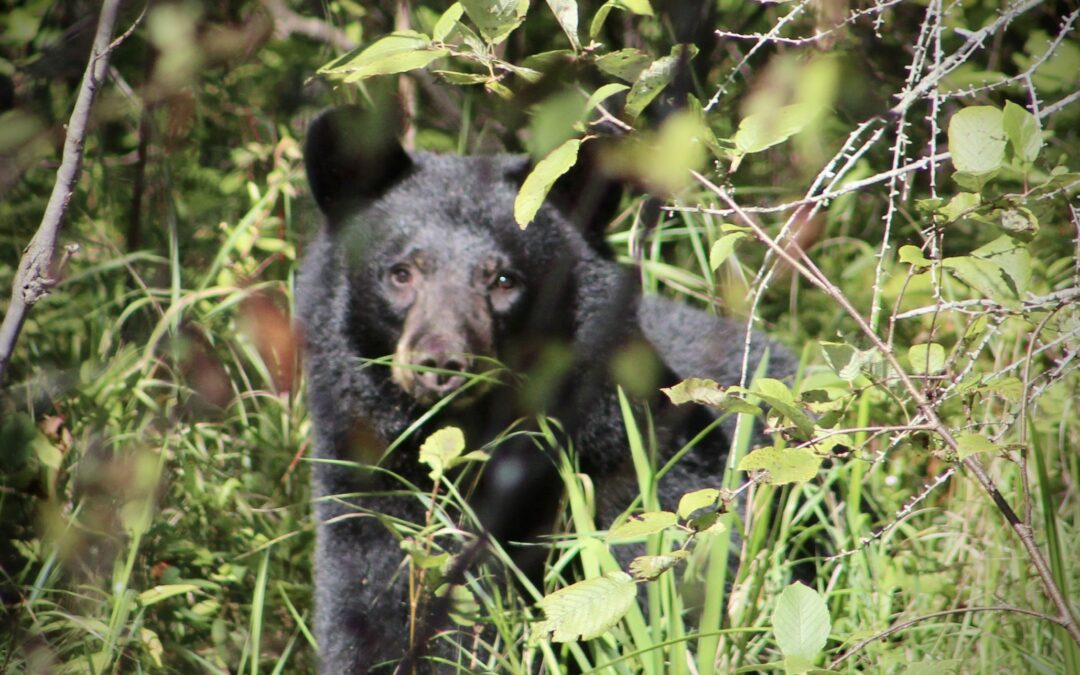
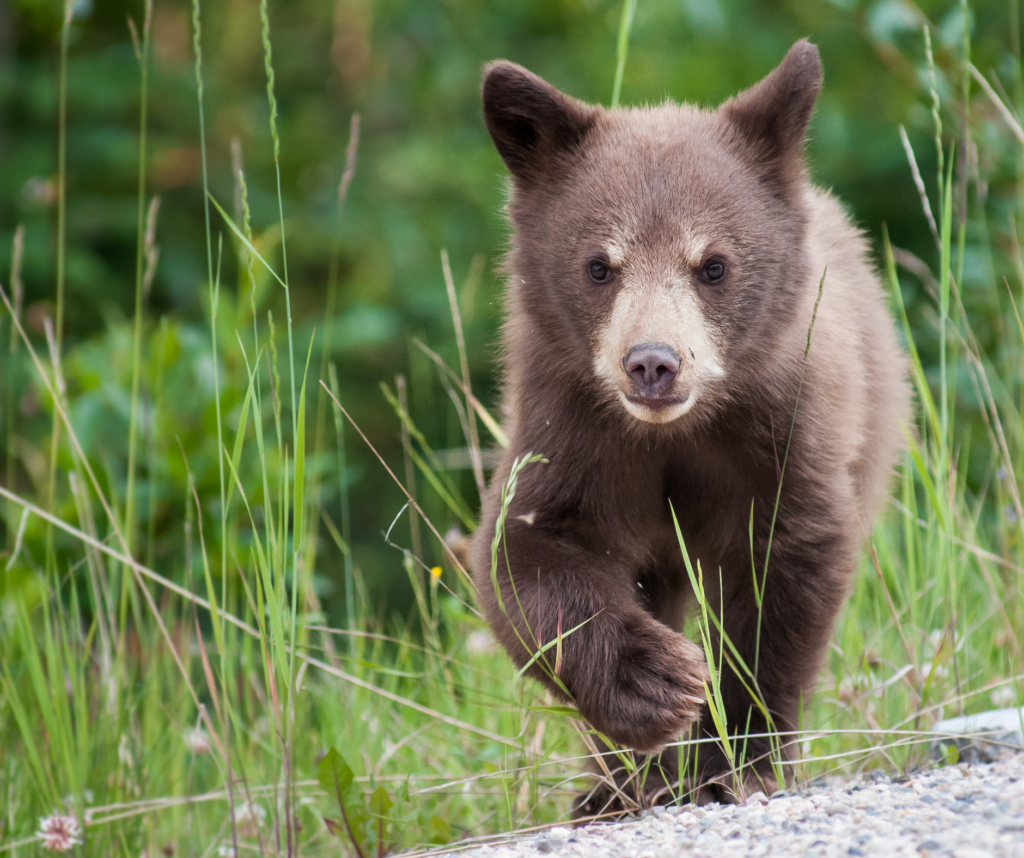
In Florida, we see a parallel failure when state officials authorized a hunt quota of 172 black bears despite clear warning signs. Only one black bear subpopulation in the state has recent abundance data available, and in that unit, bear density declined by roughly two-thirds between 2014 and 2024. In this area, the Osceola National Forest Region, densities per square kilometer dropped from 0.12 to 0.04 (or down from 3 bears to 1 bear for every 25 square kilometers). Updated bear population estimates for other regions are still years away. Science would dictate waiting before authorizing a recreational hunt. Instead, the hunt moved forward. And while bear advocates intervened to buy licenses and helped reduce the final toll to 52 bears, those lives were still lost within a system that ignored its own data.
Perceptions of bears and wolves
The current wildlife management system is fundamentally undemocratic and does not adequately center ecological health or evolving public values. The loudest voices in carnivore policy (such as social media posts and lobbying efforts demonstrating extreme intolerance for wolves) are not necessarily the majority opinion in that state or region. These voices may override data, ecology, and fair representation in the decision-making process.
Recent Montana FWP surveys found that among ungulate hunters and general residents, attitudes towards wolves have significantly grown more positive. Support for wolves was especially high in Missoula and Gallatin counties (where the state’s two major universities are located) as well as the counties surrounding them. Most Montanans who encountered wild wolves, heard their howls, or discovered tracks described the interactions as positive rather than invoking fear. At the same time, Montanans’ tolerance for wolf hunting and trapping is significantly decreasing. Lowering or eliminating protections for carnivores like wolves does not decrease poaching or improve tolerance. In the Montana survey, wolf hunters and trappers themselves held the highest (and consistent) intolerance for the species, and make up a small minority of Montana’s residents.
Over 75% of public comments from Floridians who submitted input opposed this bear hunt. Opposition to baiting and hounding methods for hunting bears was even stronger. Recreational hunting is not necessary for black bear-human conflict management – it is a values-based decision. In Florida, most bear conflicts are resolved simply by securing trash and removing other attractants.
These two case studies showcase different species and different states, but the underlying pattern is the same. Hunt decisions proceeded without a reliable understanding of what wildlife populations can sustain.
Take Action
Wildlife management is often presented as science-driven. But in practice, state decisions routinely move forward on incomplete data and flawed assumptions. Values that prioritize “hunter opportunity” and normalize predator eradication shape the system, overriding both science and common sense.
Montana wolves and Florida black bears are just two examples of broader systemic problems in wildlife management. Wildlife deserve a system that gets it right by design: one that centers current science, accounts for uncertainty, and reflects the values of the public who believe in coexistence. Right now, we don’t have that system. And until we do, wildlife will continue to pay the price. Join us in building a wildlife governance system that is democratic, accountable, and grounded in both science and public values.