
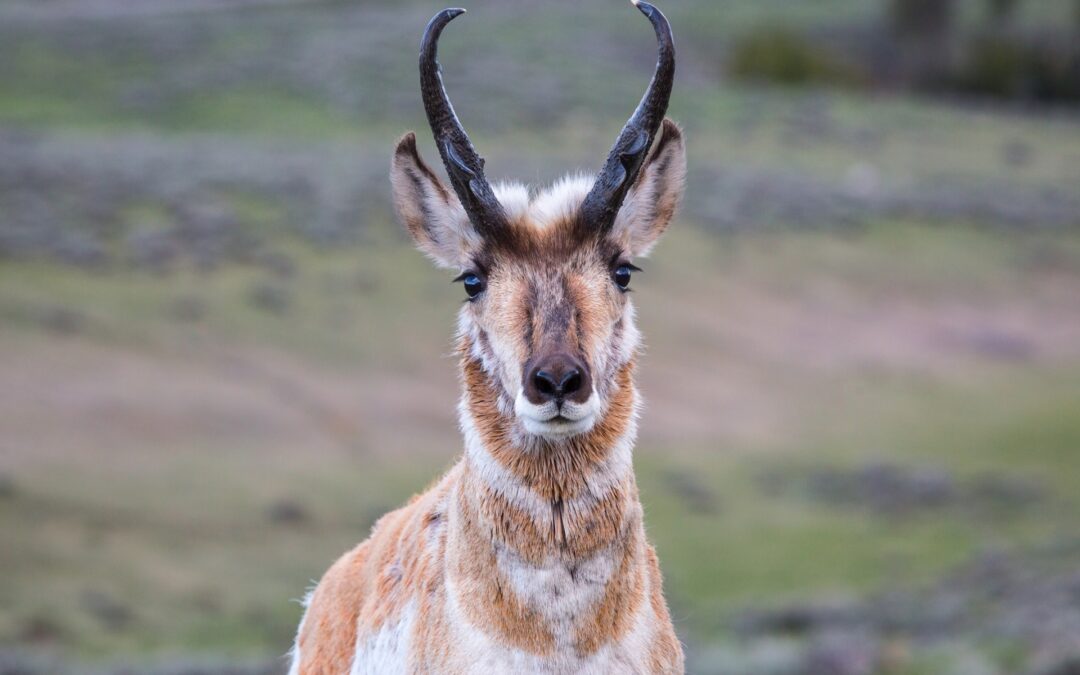
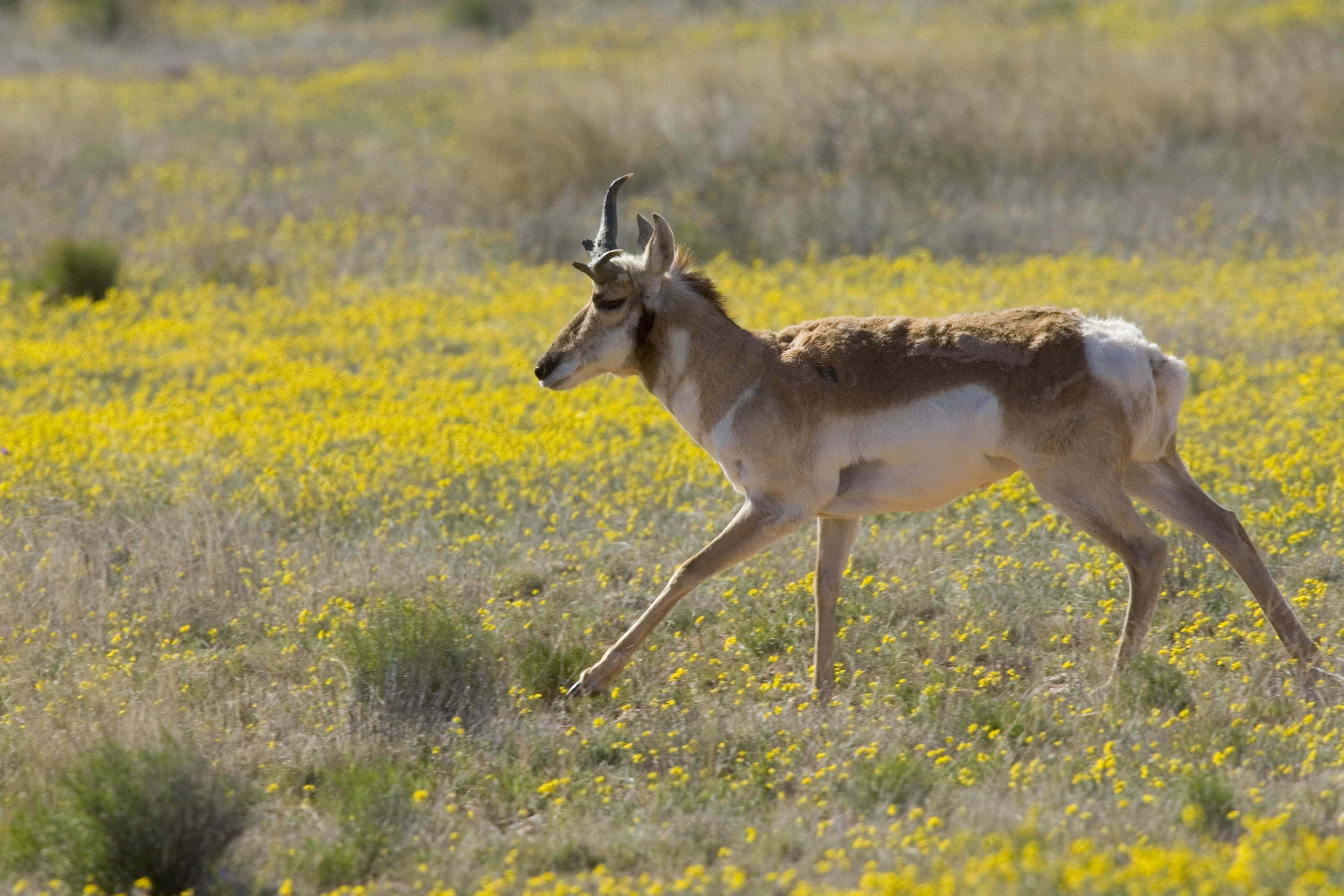
The rare, elusive Sonoran Pronghorn
Endemic to the deserts of Arizona and Sonora, Mexico, the Sonoran pronghorn is a species of high conservation concern. Adapted to arid desert valleys and a diet of cacti, cholla fruit, desert shrubs and grass, these graceful, swift-running ungulates are geographically and genetically distinct from other pronghorns. Sometimes known as antelopes or desert ghosts, pronghorns have long roamed the Southwest. Their representation in Native American petroglyphs, pottery, and oral traditions showcases the pronghorn’s cultural importance and longstanding presence on the arid landscape.
Pronghorns serve as important ecological indicators for habitat integrity and connectivity due to their long-distance migratory behavior. More nomadic than their northern counterparts, Sonoran pronghorns roam in search of water and forage, shifting their home ranges with erratic desert rainfall events. They avoid areas with steep, rugged terrain or intensive development. During the driest months, Sonoran pronghorns depend on chain fruit cholla (a succulent cactus native to arid, rocky flats and slopes of the Sonoran Desert) as a moisture source. While edible, it provides little nutrition.
Currently, existing populations (about 600 in Sonora and 525 in Arizona) are isolated and have experienced genetic bottlenecks. Sonoran pronghorn range consists of five designated management units southwest of Phoenix – two in Sonora, three in Arizona. Much of their existing habitat resides within federally protected wilderness areas. On the other side of the Gulf of California, the peninsular pronghorn, another endangered pronghorn subspecies, numbers around 300 wild individuals in Baja California.
Arizona’s population has experienced a rebound from near-extinction following a severe drought in 2002, but recovery remains tenuous. Sonoran pronghorns face multiple conservation challenges; a crucial one being landscape connectivity. Habitat degradation, mining, and border wall construction impede their survival. Genetic diversity is another concern; captive breeding programs represent another aspect of their conservation.

Mimbres pottery depicting a pronghorn. Photo credit: phoca2004
Conservation isn’t just a label; it’s a measurable outcome
In the 1920s, overhunting and habitat loss caused overall pronghorn populations to drop to about 13,000 across North America. During the 1930s, establishment of hunting regulations and a wildlife refuge for Great Basin pronghorn addressed pronghorns’ major threats of the time: unregulated market hunting and rapid agricultural development. While these efforts were successful in preventing the pronghorn’s extinction a century ago, the species’ recovery is sometimes overstated. Pronghorns were once as abundant in the U.S. as white-tailed deer are today (30-35 million), but unlike the deer (which also historically declined due to unregulated hunting) they have not rebounded near their pre-European colonization levels and the Sonoran and peninsular subspecies remain endangered.
Across the country, wildlife conservation decisions still center a narrow set of priorities built into the system’s foundation. Those decisions influence species conservation and recovery, conflict management, and determine whether ecosystems receive protection or a further push toward decline. Proponents of the North American Model of Wildlife Conservation frequently describe the system as the world’s most successful, citing the recovery and abundance of species like deer, elk, and ducks. However, this narrow focus on select game species ignores broader biodiversity declines and represents an incomplete historical account. Notably, this narrative leaves out historical and ongoing persecution of native carnivores (leading to near-extinction for some species like Mexican gray wolves), but additional examples exist.
The Sonoran pronghorn’s decline, leading to their listing as an endangered species in 1967 prior to the ESA, counters a simplified and incomplete historical narrative of North American conservation. As horned ungulates, pronghorns represent a traditionally prioritized species, yet several populations continued to drop even as some responded to the recovery efforts of the 1930s.
Conservation must address current climate and biodiversity threats
A 2023 Wildlife Society article noted the differing trajectories in regional pronghorn populations in the western U.S. While northern pronghorn herds in Plains and Rocky Mountain states showed recovery progress after wildlife management efforts of the 1930s, southern pronghorns have not rebounded the same way. In other words, the American pronghorn (the most abundant subspecies roaming grasslands and sagebrush basins) increased and stabilized – the Sonoran and peninsular pronghorn did not.
The key factor behind this disparity is climate: specifically, rainfall levels. Precipitation during summer directly influences physical condition, doe abundance, and fawn survival rates. Extended dry periods become more common with a changing climate. Without rainfall, pronghorns have less access to quality forage and free water. Under current climate scenarios, the Sonoran Desert is set to grow hotter and drier, with temperatures increasing 3-9 degrees Fahrenheit and monsoonal rainfall becoming increasingly unpredictable. In the future, quality Sonoran pronghorn habitat is anticipated to shift northwest towards southern California.
Protecting the Sonoran subspecies today requires addressing obstacles like climate change, political barriers, and attacks on the Endangered Species Act. These complex challenges require a complex, integrated approach.
Values and transparency matter in pronghorn conservation
In February 2025, the federal interagency Aldo Leopold Wilderness Research Institute held a workshop in Yuma, Arizona to address climate threats to endangered Sonoran pronghorns, clarify values, and facilitate decision-making for their conservation. The published report includes geospatial modeling of suitable current and future pronghorn habitat in the U.S. The workshop weighed potential cascading implications of three different adaptive management scenarios: install more guzzlers in existing pronghorn habitat, expand local outreach and education on pronghorns and habitat improvement, or reintroduce captive-born pronghorns to a proposed 10(j) wilderness area in southern California.
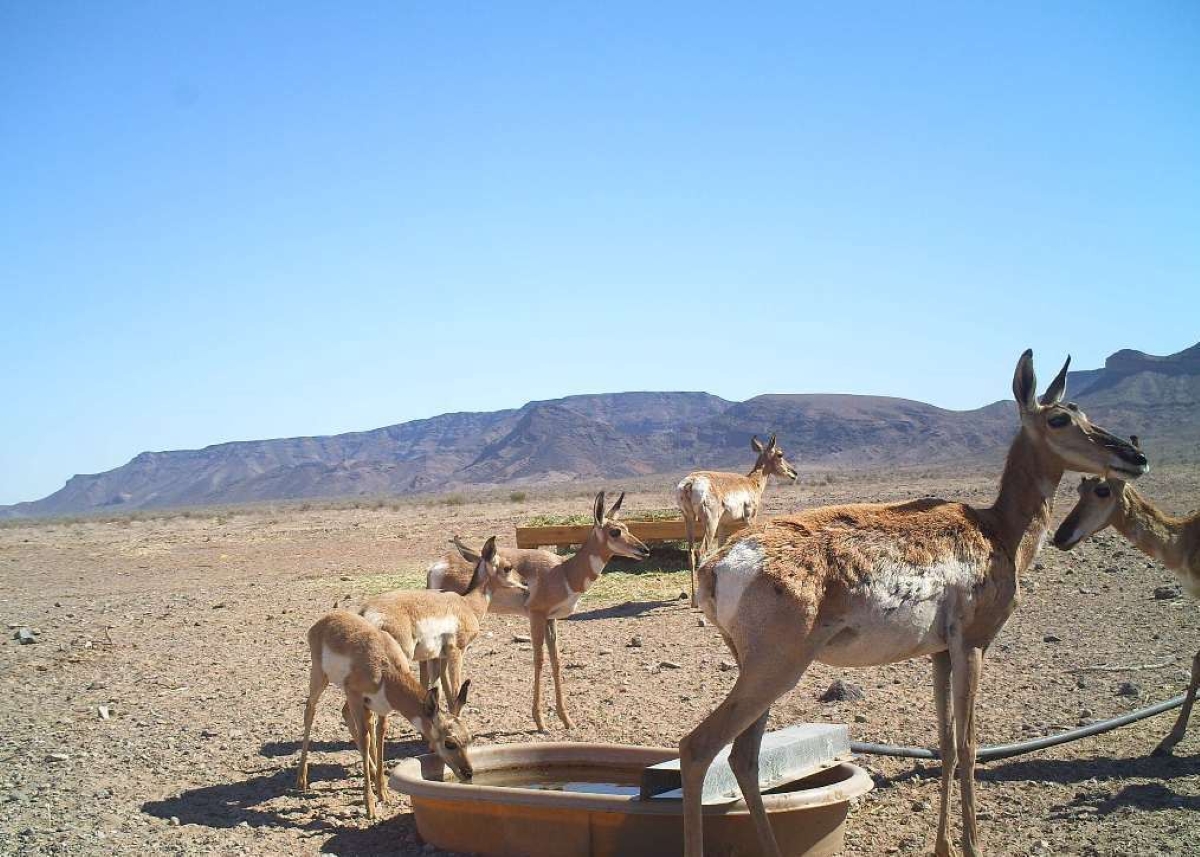
Installing guzzlers (man-made wells that collect rainwater) would provide pronghorns more water in their current range. Increased access to free water allows pronghorns to utilize dry, desiccated plants as forage and reduces their reliance on chain fruit cholla. Guzzlers offer a reliable supplemental water source for pronghorns and other desert wildlife, though installing them in wilderness areas has some drawbacks (wilderness disturbance, maintenance costs, potential introduction of invasive plant species).
Local outreach would increase public awareness and participation in pronghorn recovery, and landowners can play a role in increasing habitat connectivity. While highly beneficial, education/outreach is not a standalone strategy for Sonoran pronghorn recovery. This approach is best used in combination with other conservation actions.
Relocation may also be in the desert ghost’s future. Under current climate scenarios, southern California would provide more ecologically suitable pronghorn habitat in the future as conditions in southern Arizona grow harsher. Thus, reintroducing pronghorns to California (assisted range expansion) may potentially be necessary in decades to come. However, it also comes with a risk to individual pronghorns and the species’ genetic diversity if the reintroduction project fails.
Conservation is an ethical issue
During the workshop, participants expressed a deep investment and concern for the pronghorns’ wellbeing. If most of a pronghorn herd were to die due to our own actions (either an unsuccessful California introduction or loss of existing Arizona herds), such an outcome would be devastating to people – and of course the pronghorn themselves.
As biologist and ethologist Dr. Marc Bekoff has stated, wildlife reintroduction and relocation involves ethics and foresight. For best chances of success and survival of reintroduced animals, these initiatives require careful planning, public participation, and transparency as opposed to the “dump and pray” strategy of simply turning animals loose in an a new location. Individual wild animals, whether they be pronghorns, mountain lions, or coyotes, possess value in their own right. This emerging ethical dimension differs from traditional utilitarian frameworks, and reflects shifting public values of wildlife. This means an individual Sonoran pronghorn’s interests (to thrive and have a high survival chance within an unfamiliar environment) deserve consideration too.
Diverse values of Sonoran pronghorn
During the Yuma interagency workshop, participants expressed social and ecological values of Sonoran pronghorn that extend beyond consumptive use:
- Intrinsic value of the pronghorn on the landscape
- Importance as a flagship species for biodiversity and landscape conservation
- Importance to wildlife watchers – Sonoran pronghorns’ elusive nature makes them rare and thrilling to see
- Symbolic value as a representation of remote wilderness
- Shared values; Sonoran pronghorn conservation inspires unity and collaboration
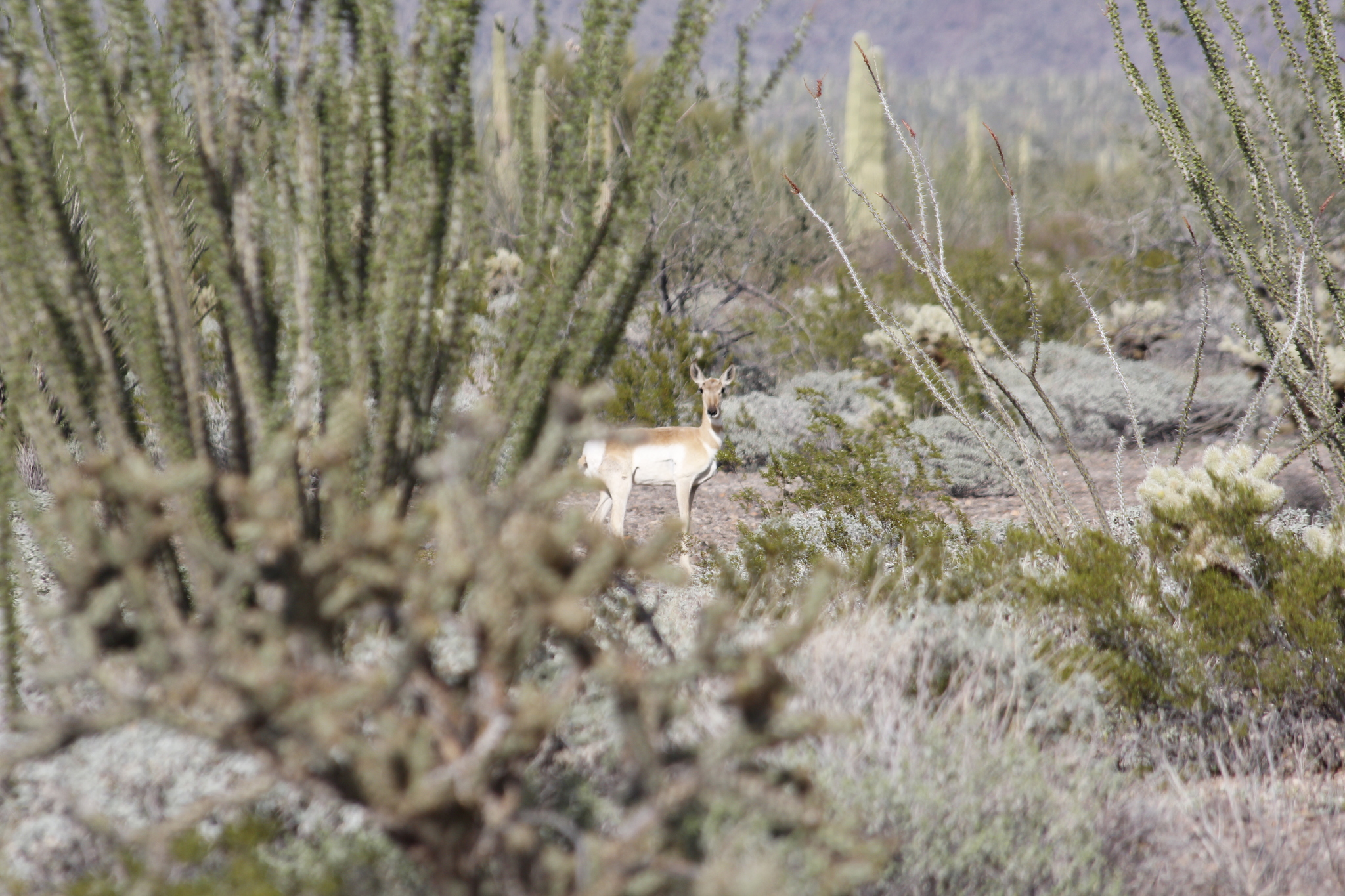
Sonoran pronghorn doe. Creative Commons photo by monitoreopinacate
Conservation requires a forward-thinking approach
Conserving endangered Sonoran pronghorns in a changing, arid climate requires a collaborative, integrative approach. Recovering this rare, swift animal involves using a variety of strategies, as well as re-evaluating and adapting decisions and actions. Climate adaptation is known as a “wicked problem” – a complex, interconnected issue that is not easy to solve. At the same time, many people love Sonoran pronghorns and are dedicated to their persistence and recovery.
Growth means changing what isn’t working, not defending systems built for a different era. If our purpose here includes care for this place, then conservation cannot keep being defined by control and extractive approaches. It has to reflect biodiversity, coexistence, ecological health, and the full range of values people hold about wildlife. We don’t stay, but the systems we build do. And those systems are shaping whether wildlife recovers or continues to decline, whether ecosystems stabilize or unravel, and whether public trust strengthens or erodes. Most people want healthy ecosystems, thriving wildlife populations, and science-informed policy that reflects public values, not just priorities of the most politically entrenched interests and industries. Values, transparency, and public participation are critical, not secondary. Wildlife conservation and climate resilience alike require that forward-thinking approach.
This article was contributed by Peggy Clark, a Geospatial Science/Ecology student at Radford University in Radford, Virginia.