 What Walks This Way? Rediscovering the Wild Lives Around Us
Most of us don’t have to travel far to encounter wildlife.
A rabbit slips beneath a shrub at dusk. A raven calls from a utility pole. A coyote trots confidently down a neighborhood street before sunrise. A spider builds the same web outside the back door each morning. These everyday encounters are easy to overlook—but they can also become the beginning of a deeper relationship with the living world around us.
That spirit of curiosity and connection is at the heart of What Walks This Way by acclaimed New Mexico author Sharman Apt Russell. Through thoughtful observations of the animals sharing our landscapes, Russell reminds us that wildlife aren’t anonymous creatures exisiting “out there.” They are living, breathing, creative individuals, all around us and inviting us to pay closer attention to the moments and landscapes we share.
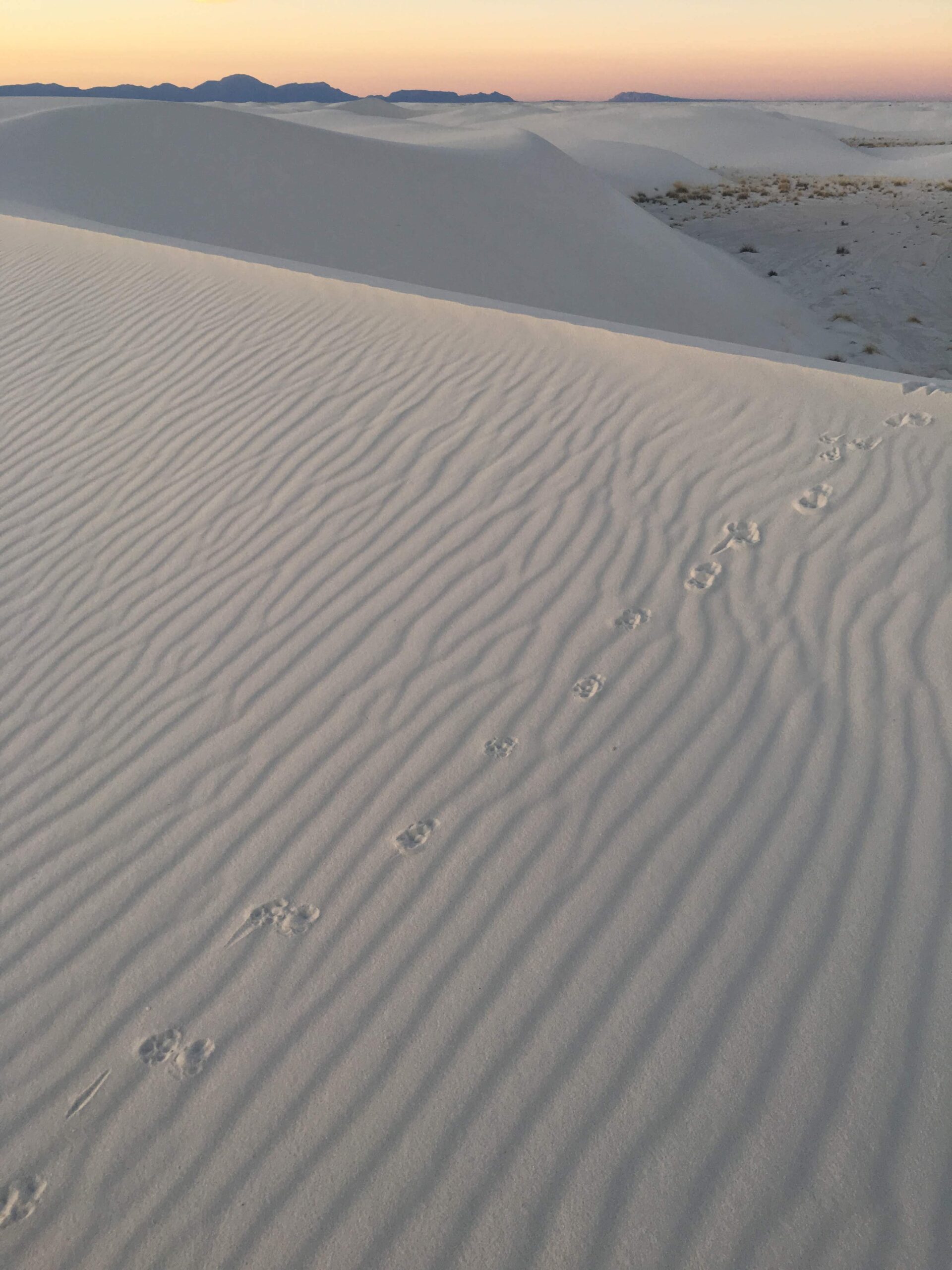
Photo of canid tracks at White Sands National Park by Michelle Lute
One of my favorite winter pastimes is to track animals in fresh fallen snow. The sand near the Rio Grande where I live can be reluctant to reveal many secrets. But snow (and mud) is an amateur tracker’s boon. I always find a coyote and several elk along “my” stretch of the river. Usually some cows too. And then untold numbers of tiny feet with tail drags, who Russell affectionately calls “the little guys,” mice and voles moving across the landscape.
Tracks have represented some of my only encounters with the wildlife I traveled to see. I spent a week in the Brazilian Pantanal in 2013, the largest tropical wetland and flooded grasslands in the world, to find an elusive jaguar. We found a set of tracks. Again over a decade later, hoping for jaguars along the Rio Aros in Sonora, Mexico, we found one precious print on the muddy riverbank. One little sign, enough to hang a lot of hope on.
Russell’s What Walks This Way is ultimately an invitation to notice, which first requires slowing down and seeing what’s in front of us. To recognize that every animal has its own life, routines, relationships, goals and challenges. The more we observe, the more we begin to see our wild neighbors not as anonymous members of a species, but as individuals navigating the same changing world we inhabit.
That perspective feels especially important right now. Sometimes we’re doom-scrolling the unending bad news delivered straight to our phones or so lost in thought, worrying about the state of the world (or is that just me?), that we miss the world in its present moment. Right in front of us, asking to be seen and appreciated.
There is so much to appreciate. When we get to know wildlife personally—even if only through repeated encounters in a backyard, neighborhood park, or nearby trail—we begin asking different questions. Where did that fox go? Where and with whom do these migrating birds spend the winter? Why are prairie dogs no longer in this field? Who decides how wildlife is treated?
Those questions naturally lead us to bigger conversations about who makes decisions for wildlife, whose values shape those decisions, and what wildlife conservation and governance should look like in a rapidly changing world.
We’re honored that What Walks This Way includes a chapter on “A New Vision of Wildlife Management,” highlighting Wildlife for All’s work to build wildlife governance systems that better reflect modern conservation science and the diverse values people hold around wildlife.
For too long (as you’ve probably heard us say before), wildlife management has focused primarily on a relatively small number of hunted and fished species, often centering the interests of those who pursue them. But today’s public cares deeply about all wildlife—from pollinators and songbirds to carnivores, reptiles, amphibians, and the countless other species that make healthy ecosystems possible.
This growing appreciation for individual animals reflects ideas that philosophers have explored for decades. More people are learning about the work of experts like Christine Korsgaard who adapts Kantian ethics to argue that wildlife are ends in themselves, deserving direct moral consideration. Or Tom Regan who argues that animals are “subjects of a life” with intrinsic value and fundamental rights not to be harmed or used merely as resources. What better way to embody that understanding than to bear witness to the animals that share your home?
The future of wildlife conservation depends on governance systems that recognize this broader public interest and the intrinsic values of animals. Decisions about wildlife should reflect ecological science, transparency, accountability, ethics, and the diverse values people hold for the animals with whom we share our communities. And decisions should reflect our appreciation of the wild beings and their world.
As Russell notes in chapter 16, “A New Vision of Wildlife Management:”
What I want to say is that we still have a lot of wildlife in North America, and we should celebrate these animals. We don’t see them much… But we can be alert to their track and sign. This can become a form of seeing. I want to exhort: we must ally ourselves with wildlife. We must work to mitigate global warming, keep our public lands ecological healthy, alter landscapes for humans in ways that consider wildlife, and reform our management of wildlife. We must choose wildlife. We must demand more wildlife, more of the nonhuman world, more celebration, more humility, more empathy, more connection.
In many ways, Russell’s book illustrates why this work matters. Governance reform isn’t simply about changing laws or commissions. It’s about creating institutions that value the same curiosity, respect, and sense of shared responsibility that emerge when we develop meaningful relationships with wildlife.
You don’t need to be a legislator, or scientist, or philosopher to begin.
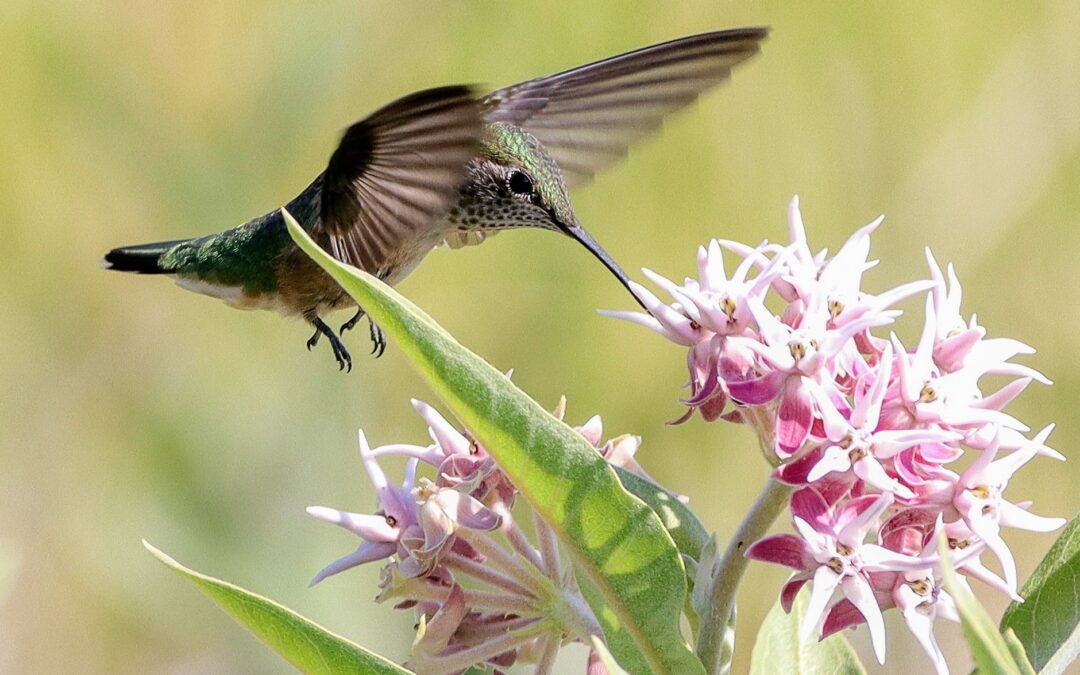
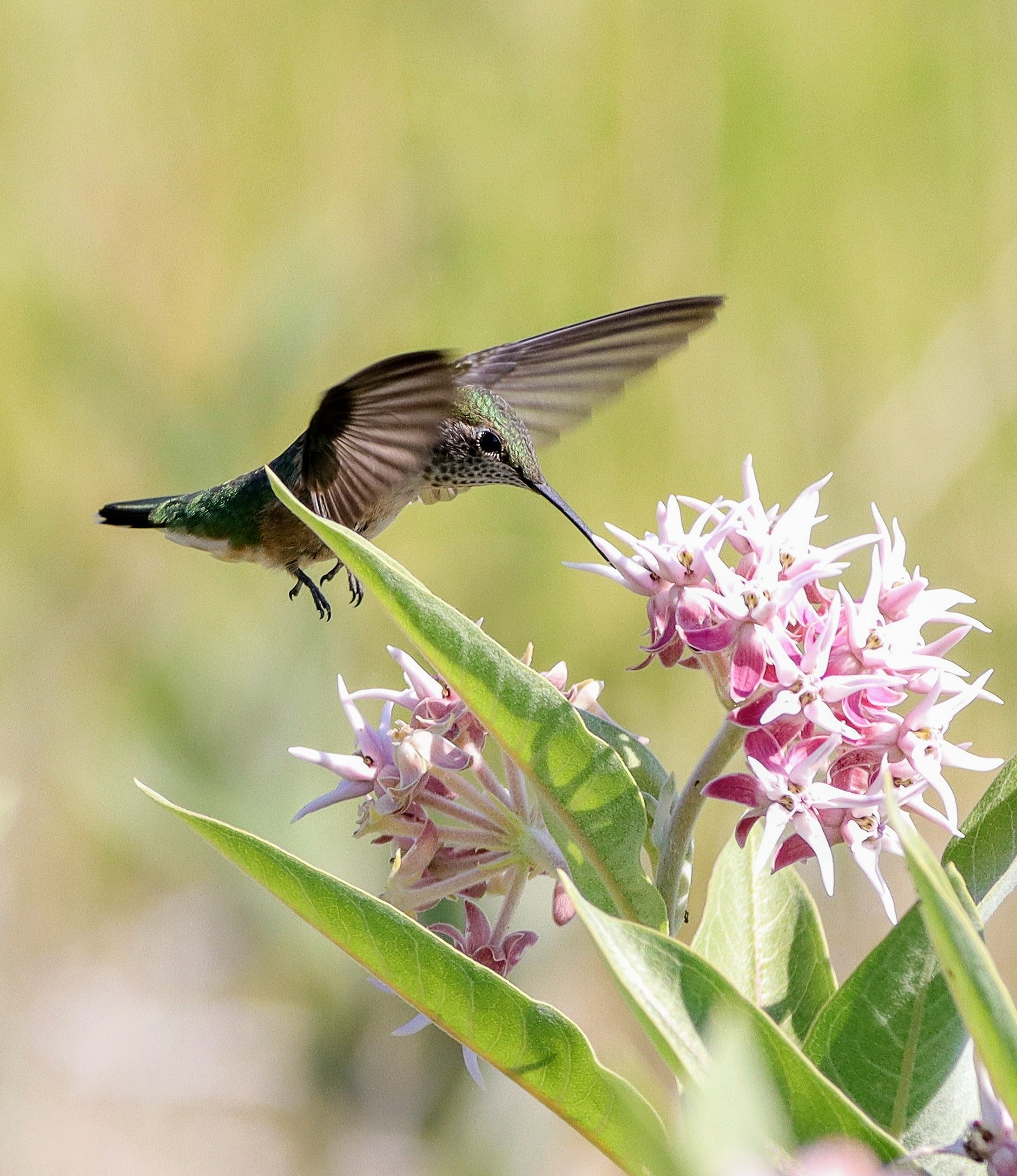
Spend a few minutes watching the hummingbirds at your feeder. Learn the names of the lizards in your garden (I like calling them all Frankie and imagining they have Boston accents, but you do you). Learn about the relationships Indigenous peoples have with the animals and ecosystems of the places you call home. Pay attention to the coyote who regularly passes through your neighborhood or the family of rabbits living beneath the brush pile. Note which birds arrive with the changing seasons. Maybe even start a nature journal and become a student of seasonal change through phenology, as Aldo Leopold encouraged us to do. Follow the tracks after a fresh snowfall.
Every observation deepens our understanding. Every connection strengthens our commitment to protecting wildlife.
And those observations matter beyond our own backyards.
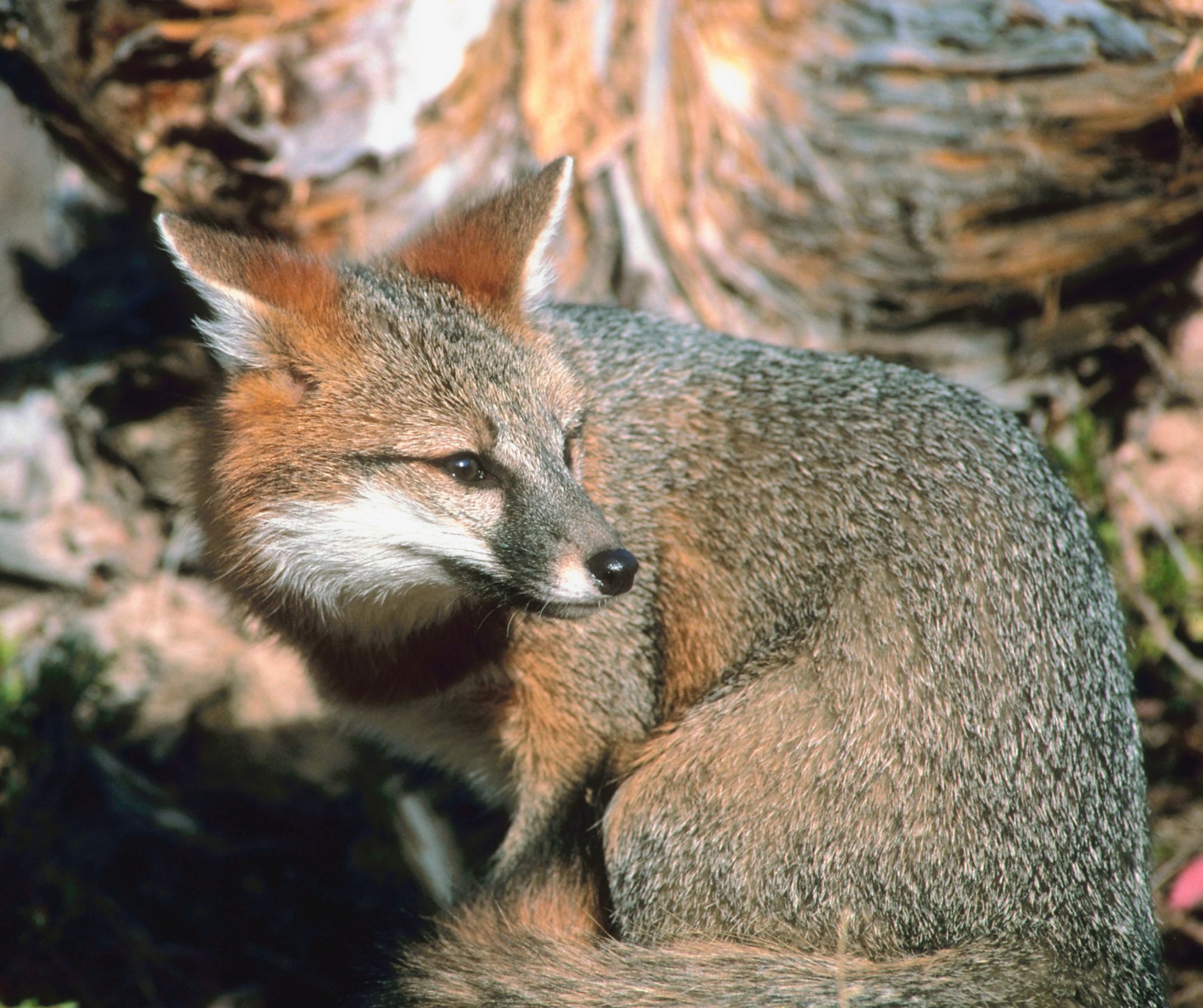 Wildlife commissioners, state agencies, and elected officials routinely hear from members of the public about how wildlife management decisions affect their communities. Your firsthand experiences—seeing monarch butterflies disappear from a familiar meadow, watching a fox raise kits each spring, noticing changes in bird migration, or observing increasing conflicts between wildlife and development—provide valuable knowledge about how wildlife and landscapes are changing.
You don’t have to be a professional biologist for your observations to have value. In fact, the people who spend time paying attention to wildlife in their neighborhoods, parks, farms, ranches, and favorite hiking trails often notice changes that might otherwise go unseen. Sharing those experiences through public comments, letters to the editor, commission meetings, or conversations with decision-makers helps ensure that wildlife governance reflects the knowledge and values of the people who live alongside wildlife every day.
Wildlife agencies have historically privileged one type of knowledge: maximizing game animals for harvest through the work of agency biologists and the advocacy of consumptive users, while often underrepresenting the knowledge and experiences of other people who pay attention to wildlife. But conservation is stronger when it also incorporates observations from birders, hikers, photographers, Indigenous knowledge creators and holders, gardeners, farmers, recreationists, and anyone else who pays attention to wildlife. Good wildlife governance depends not only on good science but also on engaged constituencies who know and care about the wildlife around them.
In a time when the news often feels overwhelming, there’s something not only hopeful but empowering about simply paying attention. Wildlife continues to surprise, teach, and remind us that we’re part of a much larger community of life.
We hope you’ll pick up What Walks This Way and then step outside to discover what walks, flies, crawls, hops, or slithers through your own neighborhood. You may find that the more you notice, the more invested you become in ensuring that wildlife—and the public institutions entrusted with their care—can thrive for generations to come.
 Michelle Lute is Executive Director of Wildlife for All and an avid explorer of wild places. When she’s not fighting for democratic and compassionate wildlife policy, she’s somewhere wild with her dogs, inspecting tracks and scat before the dogs get to them.