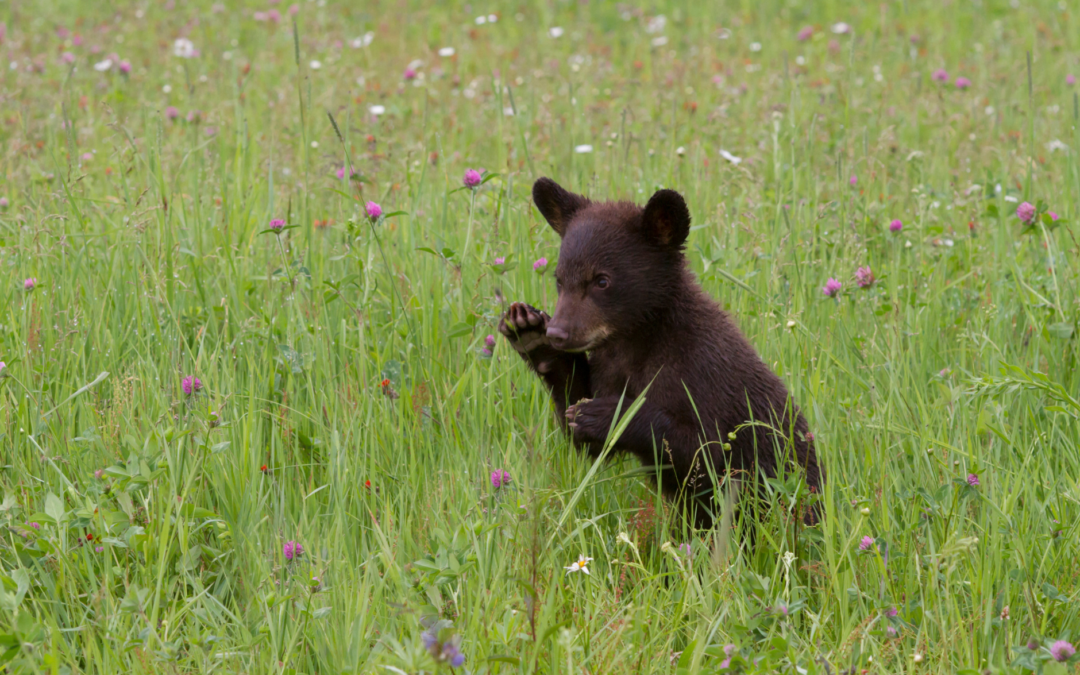
A bill in Vermont would democratize wildlife policy making by adding nonhunters to the state wildlife board. This NY Times article links it to similar efforts to shake up wildlife management in other states.
Join us for a one-hour introduction to Wildlife for All, a national campaign to reform wildlife management in the U.S. Tuesday, April 25, 2023, 11 am PST/2 pm EST.
By Eli Francovich
The Sportsmen’s Alliance Foundation has sued WDFW Commissioner Lorna Smith, claiming that she is “pushing an extremist view of fish and wildlife management and is adamantly opposed to the North American Model of Wildlife Conservation.”
By Catrin Einhorn
“‘State agencies are really at the forefront of conservation for wildlife,’ said Scott Black, executive director of the Xerces Society, a nonprofit group that advocates for insect conservation. ‘But in these states where they can’t work on insects, or in some cases any invertebrates, they don’t. So, you see things just languish.'”
By Charles Fox
“The New Mexico Department of Game and Fish supports itself by selling off the public’s wildlife for recreational killing. But the vast majority of New Mexicans who do not hunt or fish never agreed to this arrangement, and have virtually no say in how their wildlife is managed.”
By Bryan Bird & Kevin Bixby
“The time for the [New Mexico Department of Game and Fish] to pivot from being a relic of the past to a modern, wildlife conservation agency is long overdue. With the number of species moving toward extinction growing daily, the need is urgent. The Legislature needs to pass modernization and commission reform legislation while also approving license fee increases. It can do that with HB 184 and HB 486.”
By Christopher Smith
“House Bill 184 would improve the State Game Commission, the appointed body that oversees the Department of Game and Fish. The legislation, which already passed its first committee, would help create a commission that represents all New Mexicans and insulates wildlife policy decisions from political whims and financial influence.”
By Nathan Brown
Two bills focused on reforming wildlife management were recently heard before a New Mexico House Committee. HB 183 would have abolished the state’s Game and Fish Department, while HB 184 would change the way that seats are allocated on the State Wildlife Commission. HB 183 was defeated, but HB 184 made it out of the Energy, Environment and Natural Resources Committee on a 6-3 vote.
The Washington Fish and Wildlife Commission is finally starting to represent the values of all Washingtonians, yet fringe hunting groups have decided to sue the Governor because they feel that the 2% of Washington residents who hunt are not “represented” on the Commission. Almost 50% of the Commissioners are hunters.
Wildlife for All Advisory Committee member Walter Medwid wrote commentary for the Vermont Digger to highlight the necessity of reforming the Vermont Fish and Wildlife Board.
“The largely uncredentialed Fish and Wildlife Board holds broad regulatory and public policy authority over all game species without the benefit of the public’s voice at the table.”
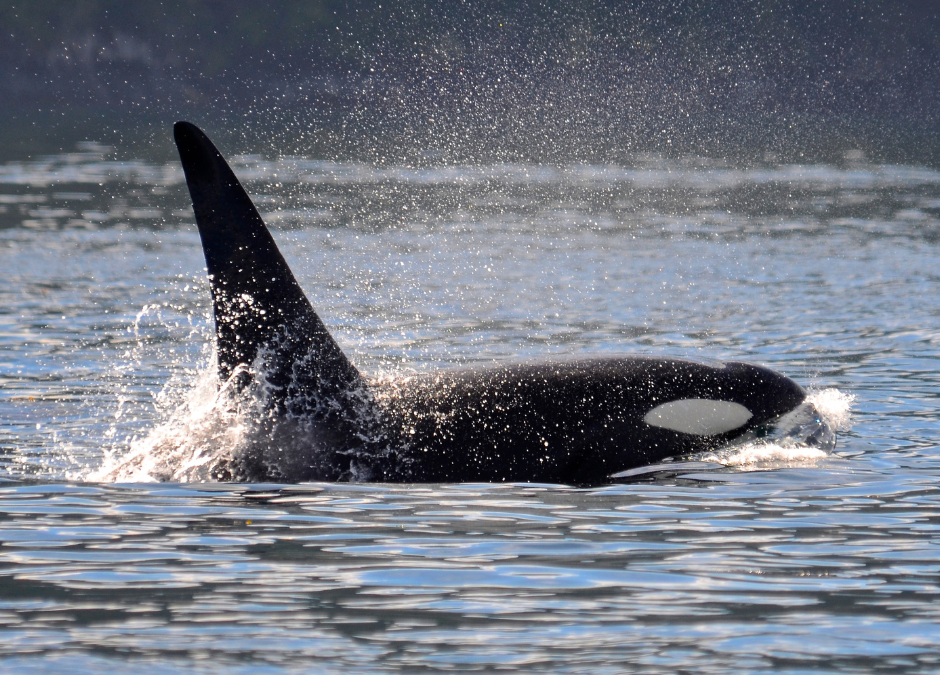
Last week, the city of Port Townsend acknowledged the endangered southern resident orcas who call the region home had rights.
By Kevin Bixby
Kevin Bixby, the Executive Director of Wildlife for All, explores the inadequate and dated system of wildlife governance in New Mexico in this op-ed. “To protect our wildlife and stave off extinctions here, modernization is imperative.”
By Michael McFadzen, Amy Mueller, and Francisco J. Santiago-Ávila
“Wildlife is not the province of consumptive users; wildlife concerns us all. And respecting wild animals means moving beyond harm to care. It means allowing wildlife to thrive, for everyone’s sake.”
By Brian Maffly
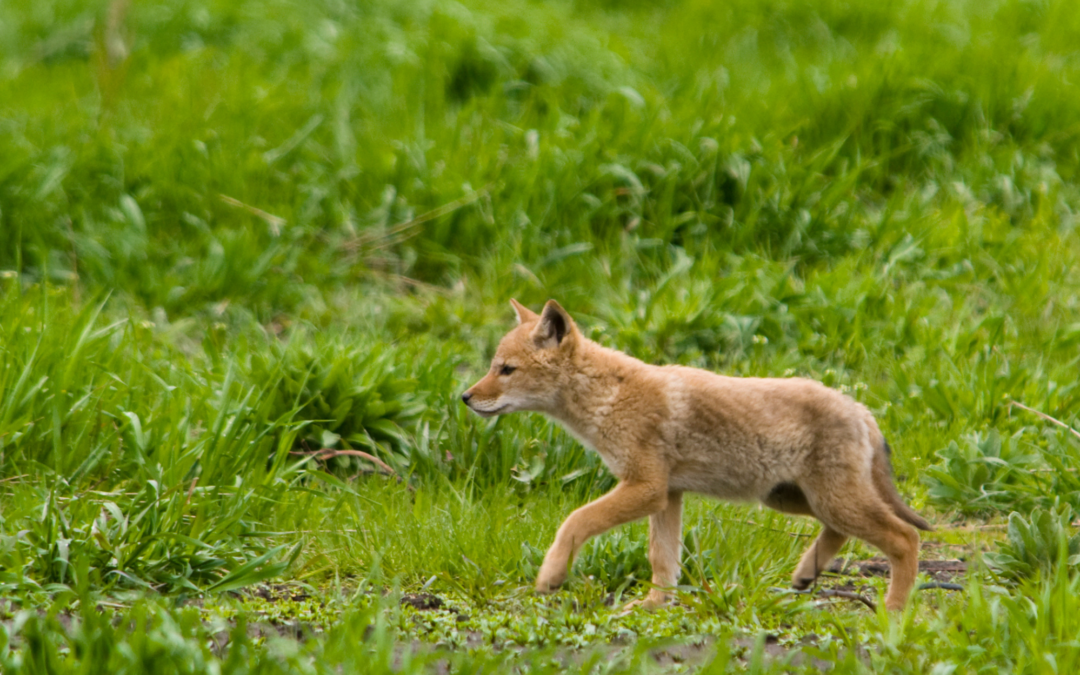
“Late fall marks the resumption of Utah’s wildlife killing contests, where an unknown number of coyotes and other animals are shot by teams angling to take the largest haul of dead “dogs” stacked in the bed of their pickups by the end of the day.”
Events such as these are legal because wildlife managers are trained to ignore the interests of individual animals and only focus on the impacts on populations and species.
Press Release, Washington Wildlife First
Today, the Washington Fish and Wildlife Commission voted 5-4 to eliminate recreational spring bear hunting.
“‘We thank the Commissioners for their courage, dedication to scientific integrity and ethical wildlife management, and commitment to representing the values of the people of Washington,’ says Samantha Bruegger, executive director of Washington Wildlife First.”
By Elissa Frank
“We need to resolve human-bear conflicts using sound science, and we humans must adopt common sense behaviors…Trophy hunting has no role to play in mitigating the kind of human-bear conflict characteristic of our state.”
By Eli Frankcovich
In a poll of Washington state residents recently conducted by Washington Wildlife First, “a majority of Washington voters believe state wildlife managers’ goal should be ‘preserving and protecting fish and wildlife,’ while only 20% believed that WDFW’s goal should be maximize hunting and fishing opportunities.
By Eli Francovich
A key component of Wildlife For All is our belief that wildlife management should be democratic and inclusive of the public’s values and interests. The controversy over being included at The Wildlife Society conference this week in Spokane exemplifies the dominance the sporting and gun industry has in wildlife management.
From The Revelator
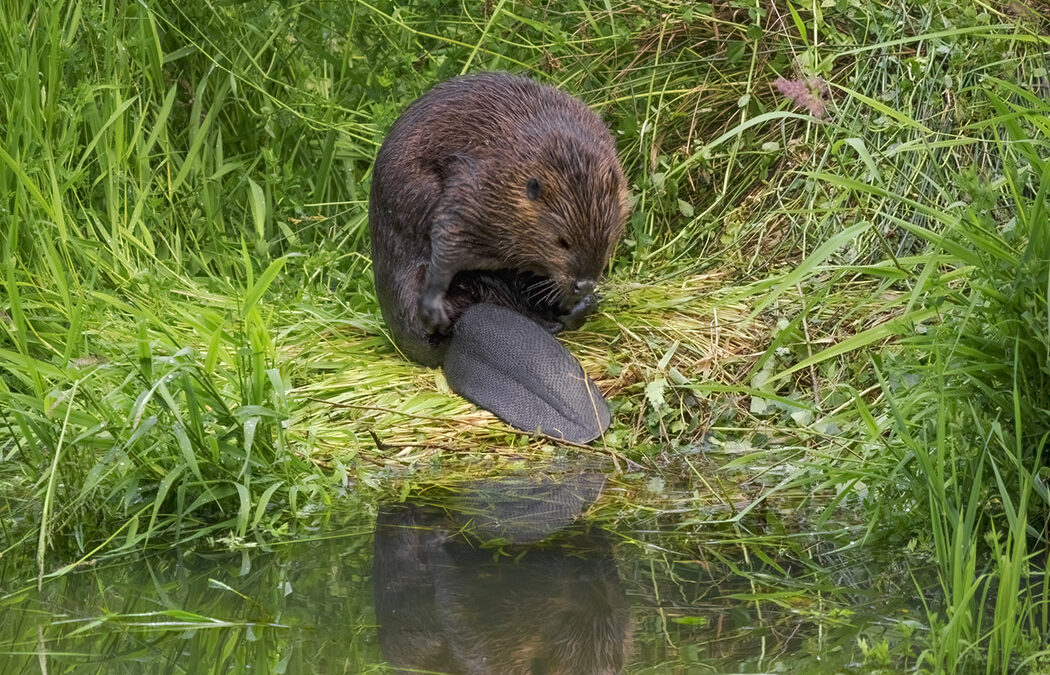
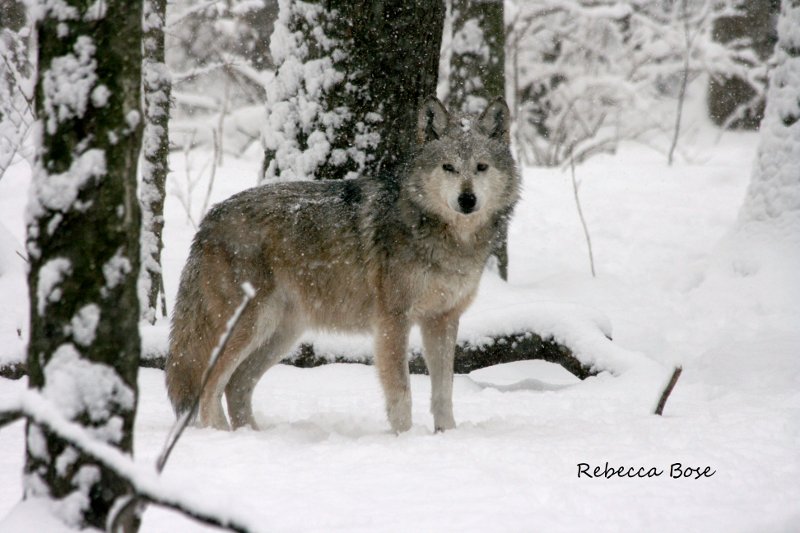
“Beavers are too often seen as a tool for humans, rather than animals with their own agency and agenda.”
From NPR
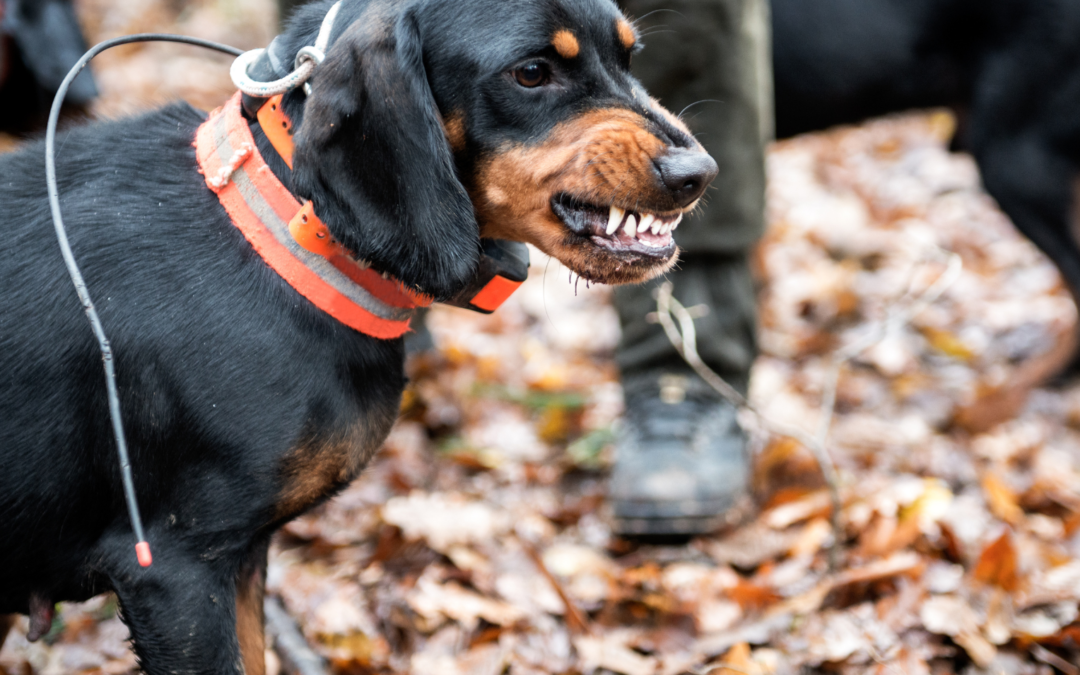
Recently in Montana, a woman posted on social media that she “smoked a wolf pup” while out hunting bear. The problem is that she didn’t – she killed a domestic husky who’d been dumped in the area earlier that week. The commentary and news stories that followed the event highlight people’s “speciesism,” or preference for one species over another. After all, wolves and dogs may share the same wolf ancestors. The story provoked an outpouring of moral outrage and renewed questions over why Montana’s wolves can be hunted at all.