NPS photo
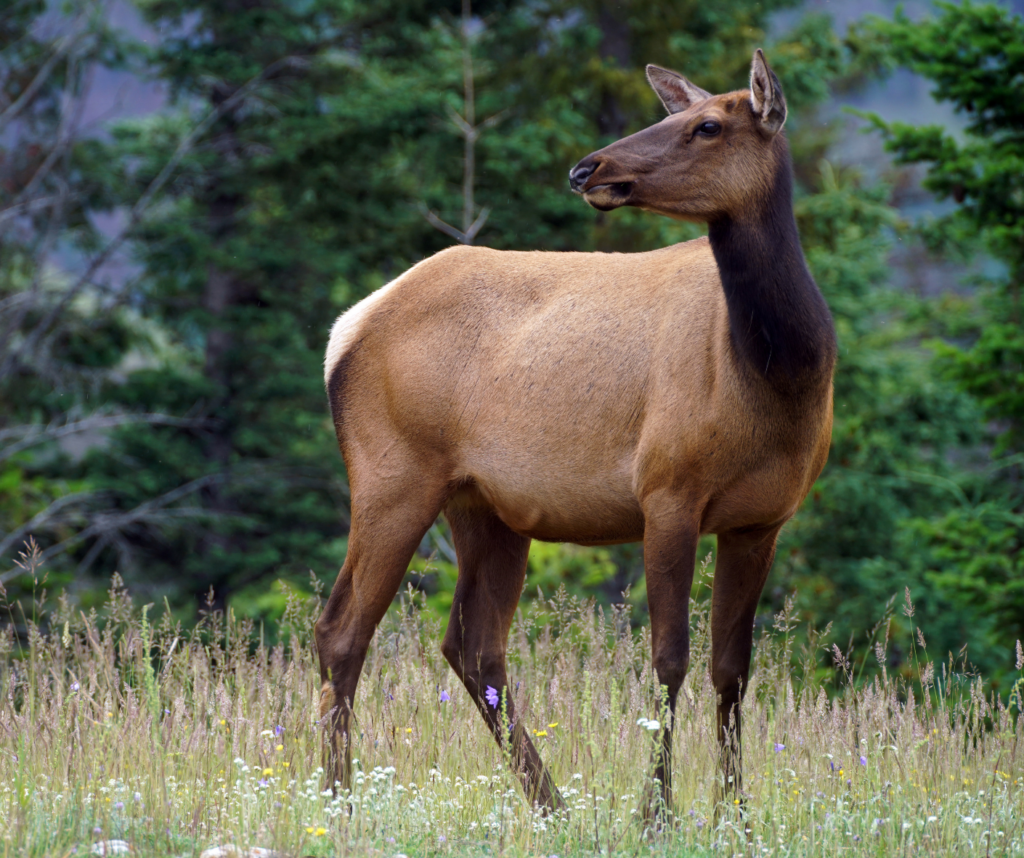
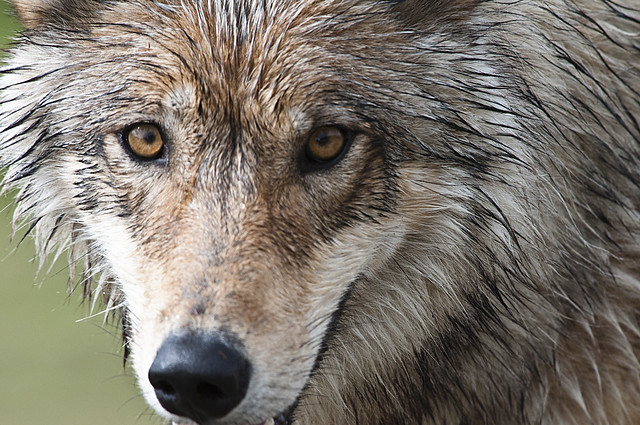
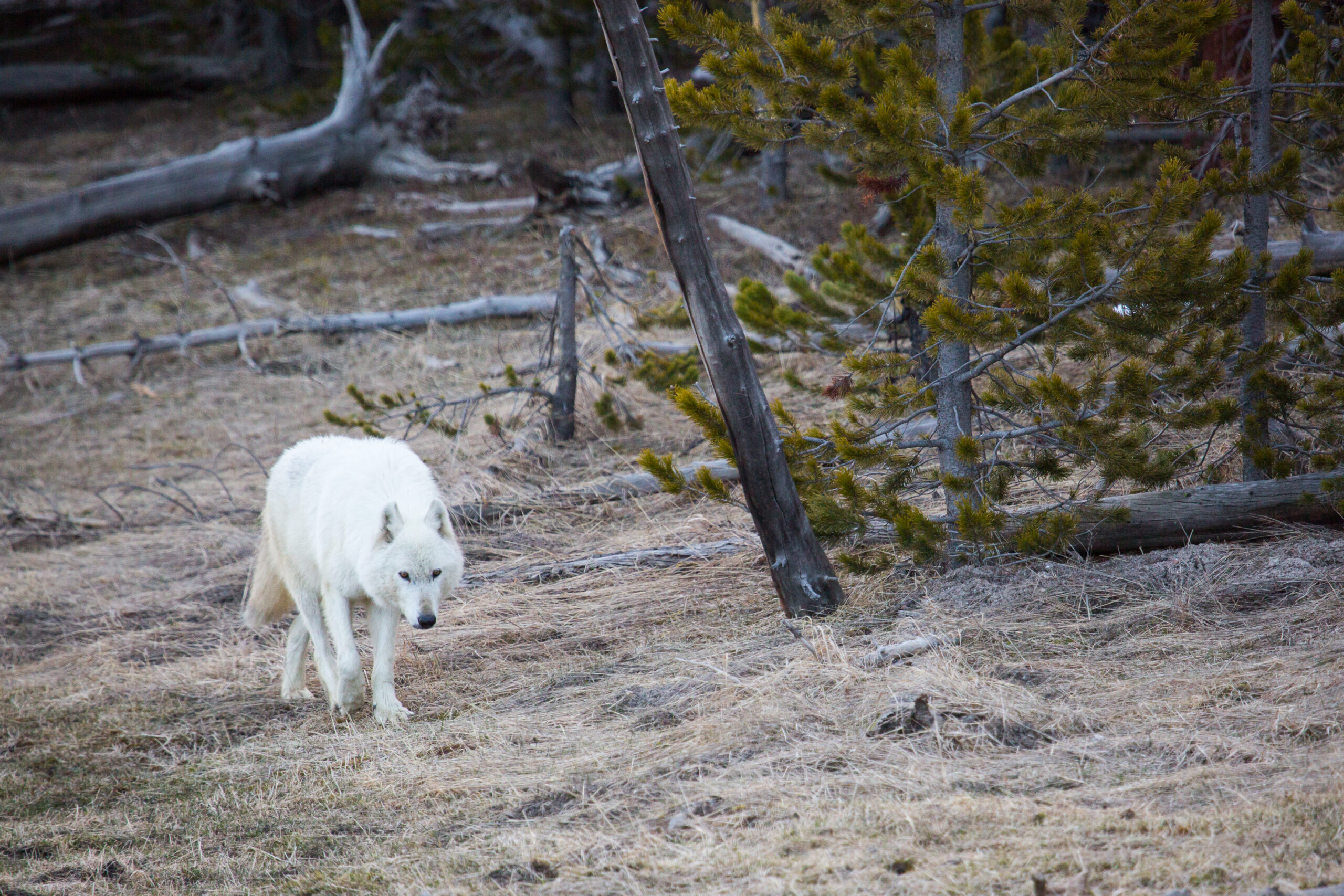
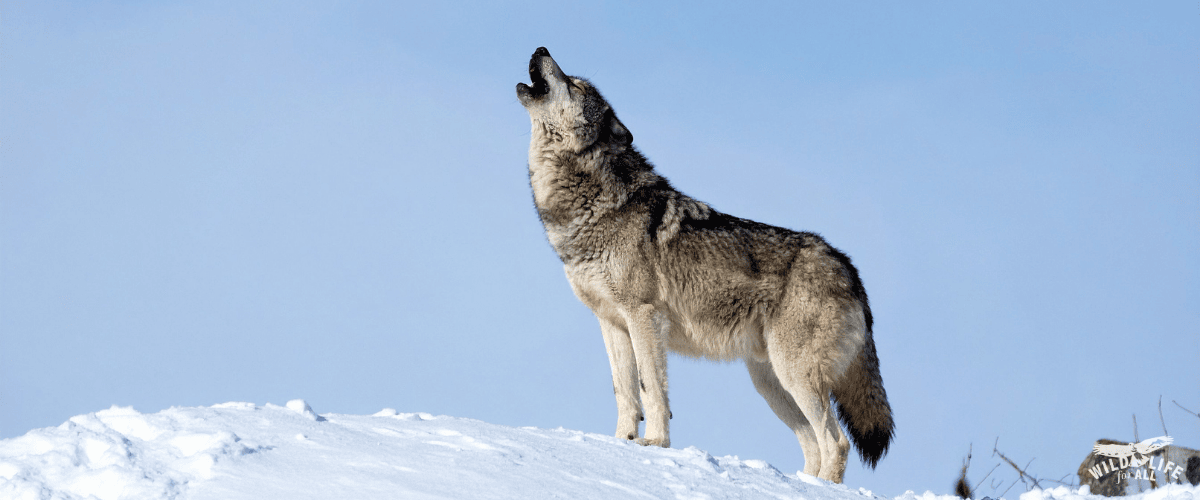
In February 2026, the Idaho Department of Fish and Game killed three wolves in the Panhandle region near Sandpoint, blaming them for an “underperforming” elk population. But anyone looking at the full picture sees that this response is an example of scapegoating.
Why wolves took the blame for elk declines
State officials point to fewer elk harvests and low calf ratios, and then they jump to a familiar conclusion: wolves are the problem. IDFG’s preferred wolf “management” methods are hunting and trapping, with additional lethal “control actions” in specific areas whenever elk herds are declining below management objectives. Local reporting, however, has raised questions about whether the records back the cited scale of wolf predation.
At the same time, other underlying factors that may be impacting elk herds go unaddressed. Within the same region, chronic wasting disease in both Idaho and Montana is spreading across nearby areas bounding this elk management unit. Logging and development has heavily altered existing elk habitat – fragmenting and degrading the forest cover elk rely on for shelter. Additionally, poaching is a documented problem, removing elk outside of “management”, and the agency itself admits gaps in data around alleged predation.
Wolves and other apex predators are crucial for maintaining environmental balance. Due to the risks inherent in chasing and killing large prey, wolves generally select elk based on physical condition, favoring not just calves, but also old, sick, wounded, or emaciated adults. Wolf-killed elk frequently have soft, gelatinous bone marrow – a sign this elk was metabolizing the last remaining fat reserves at the time of death. Weather and climate conditions also strongly influence elk vulnerability. In 2017, IDFG’s research in the Panhandle Region showed winter severity strongly influenced elk calf survival – with starvation, disease, and heavy parasite loads accounting for the difference during colder winters, not mountain lions or wolves. Ecosystems are too complex and interconnected to reduce to a simple predator-prey equation.
IDFG saw an “underperforming” elk herd and blamed wolves. This isn’t “science-based management,” it’s a pattern. This issue also runs deeper than Idaho – it’s a systemic problem with wildlife governance. Across the United States, state wildlife agencies tend to prioritize a small number of game species that generate hunting and angling license revenue. This same system that favors deer, elk, and pheasants also disfavors and devalues wolves, coyotes, bobcats, and other native carnivores on all levels.
Native carnivores are vital to ecosystem health and intrinsically valuable in their own right. Despite broad public support for coexistence and growing evidence of their ecological importance, agencies frequently “manage” predators with fewer safeguards, weaker science standards, and more political pressure in comparison to other wildlife species. When disease, habitat loss, and human pressure stresses ecosystem health, state wildlife agencies default to the most visible scapegoat: wild predators. IDFG’s response to this declining elk herd is to directly kill more wolves and offer hunters more opportunities to kill black bears, mountain lions and wolves, issuing more tags and longer seasons – all framed as “wildlife management.”
Rewilding doesn’t mean zero management – it’s a different value system
State wildlife agencies’ practices aren’t value-neutral. The current wildlife governance system is built on two assumptions: nature needs constant intervention to function, and wildlife exists primarily for human purposes. This means many “nongame” wildlife species facing habitat loss, pollution, and other threats – think insect pollinators, bats, reptiles, amphibians, and songbirds – don’t receive adequate funding or resources. The growing number of SGCN (Species of Greatest Conservation Need) indicates that this system is inadequate to address growing biodiversity threats.
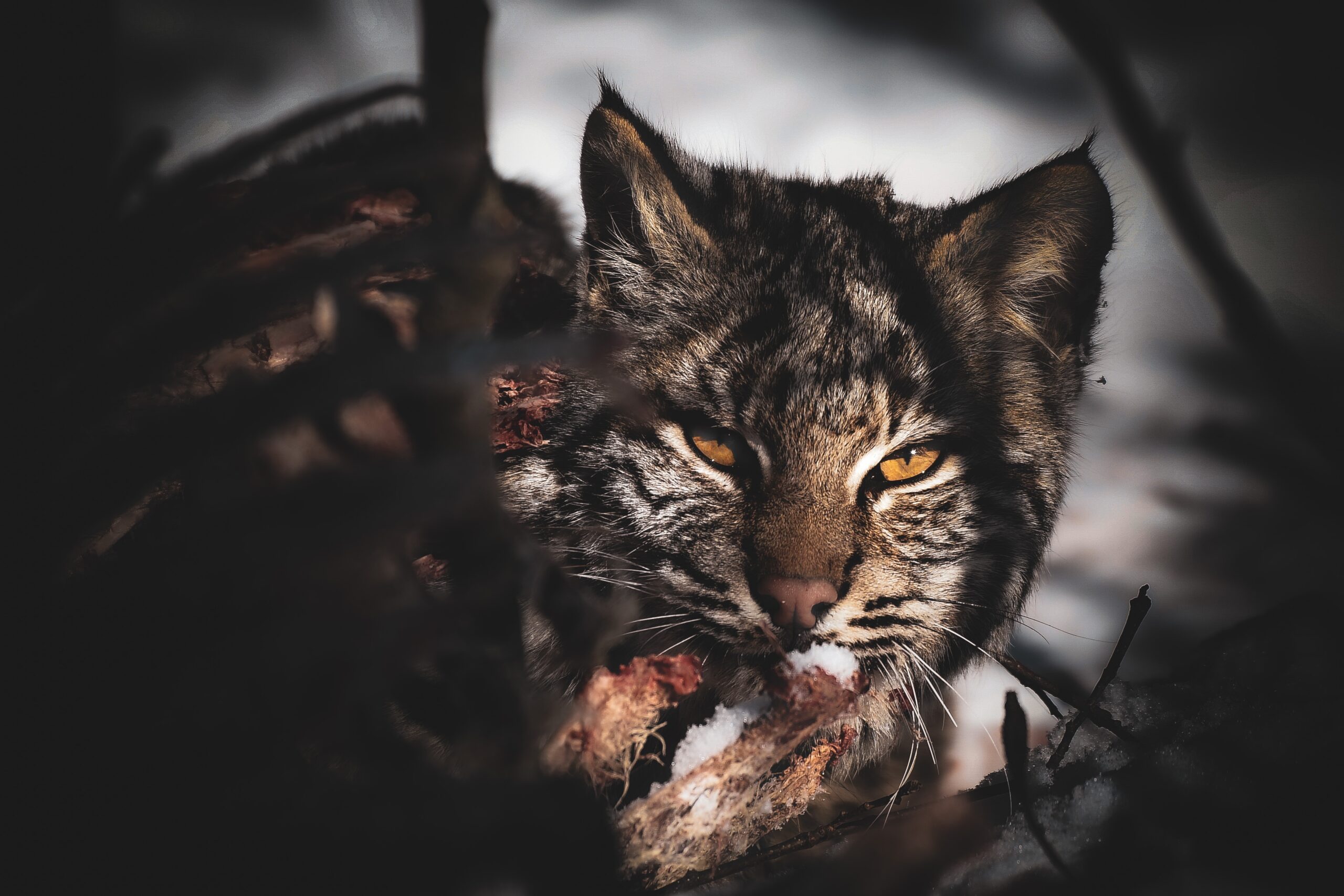
It’s common to present “rewilding vs. control” as a dichotomy – but framing it as a battle over whether humans should “manage” wildlife at all is misleading. Rewilding is not the absence of management. It’s a different value system about how we relate to the natural world. Rewilding challenges both the ideas that wildlife exists for human use and that functional ecosystems require constant human intervention. It’s grounded in science. Healthy ecosystems depend on relationships—predation, migration, competition—that make them more stable and resilient over time. Rather than a system that values elk over wolves or wild turkeys over bobcats, rewilding respects and values the ecological role and worth of all native wildlife on the landscape. This meaning valuing bobcats and beetles, turkeys and terrapins, wolves and warblers, elk and egrets. But rewilding is also a moral position with a different set of values.
For decades, wildlife governance in the U.S. has centered control over wildlife:
- setting quotas and seasons
- maximizing certain species we see economic value in
- suppressing predators
- managing ecosystems primarily for human use
Rewilding starts from a different premise, centering living alongside wildlife:
- Wildlife has value beyond human utility
- Wild animals are not just populations: they are living beings with their own lives, relationships, and roles, worthy of our understanding and respect.
- Ecosystems are not systems to control, but communities we are a part of
So why does the status quo often dismiss rewilding? It challenges the foundation of the system by questioning whether constant control is necessary, if funding models tied to use and extraction are sufficient, and by demanding that wildlife governance reflect both science and values, not just tradition. Rewilding is not a fringe idea. It’s a response to ecological reality, and a call to realign our systems with it. Because our goal isn’t control; it’s a living world that can sustain itself and a society willing to respect its place within it.
Without that shift in values, wildlife “management” defaults back to what is most convenient, profitable, or familiar, regardless of ecological cost. Habitat degradation rarely gets an agency press release – because these narratives don’t fit into a state wildlife agency who wants to boost hunting quotas, and systemic change for true ecosystem health doesn’t generate license revenue. So native predators take the blame and the system reinforces it: lethal control, more tags, longer seasons, more killing framed as “management.” Meanwhile, the bigger, more complex problems go unaddressed. This is what broken state wildlife governance looks like: complex ecological problems reduced to simple narratives, public trust resources managed for perception, not reality, and decisions made before the full science is on the table. Wolves didn’t create these conditions: they’re living in them, and so are the elk.
Take action for wildlife
Rewilding asks something more of us: to shift from control to coexistence, from short-term outputs to long-term ecosystem health, and from managing wildlife as resources to respecting them as part of a living system. Join us in advancing wildlife governance that reflects science, ethics, and the full public trust—for all life.
Demand transparency from the Idaho Department of Fish and Game. Ask what evidence is driving these decisions, and what’s being ignored. Contact the commission at idfg.idaho.gov/about/commissioners (emails are here). If we keep managing symptoms instead of causes, wildlife and ecosystems will keep paying the price.