Select Page

State Wildlife Management

Conserving – not killing – wildlife should drive Wisconsin’s natural resources strategy

Conserving – not killing – wildlife should drive Wisconsin’s natural resources strategy

By Fred Koontz & Adrian Treves

This op-ed examines Wisconsin’s Department of Natural Resources and its priorities (which are at odds with current human values and biodiversity needs). “Clarifying the DNR’s mandate around a top priority of conserving all wildlife for all people will provide a unifying direction for the floundering board and strengthen the department’s biodiversity mission. Changing the department’s purpose recognizes that government agencies require modifications as society’s needs and public values change.” 
Read more at Isthmus

Lead ammo and fishing tackle is dangerous for wildlife health, yet legislators resist ban

Lead ammo and fishing tackle is dangerous for wildlife health, yet legislators resist ban

By Michael Doyle

TUS Fish and Wildlife Service plans to open and expand hunting and fishing at 19 wildlife refuges which will open up 54,000 acres of land to hunting and fishing. While the federal agency will limit these opportunities to non-lead shells, ammo, and tackle, opposing senators have argued that “Policies or actions that reduce or limit sportsmen activities necessarily implicate wildlife conservation programs by affecting state agencies’ revenue.” These legislators are holding funding hostage in wildlife policymaking by urging the FWS Director not to ban lead. 

Read more at E&E News

Whose values count most in determining Vermont’s fish and wildlife priorities, regulations and public policies?

Whose values count most in determining Vermont’s fish and wildlife priorities, regulations and public policies?

By Walter Medwid

In this op-ed Medwid writes, “Vermonters should rethink the focus of the Fish & Wildlife Department. Threats to biodiversity and shifting human values challenge the underpinnings of the department and the Fish & Wildlife Board…Whose values count most in determining Vermont’s fish and wildlife priorities, regulations, and public policies?”

Read more in the Vermont Digger

Roxy’s Law a win, but wildlife governance needs reform

Roxy’s Law a win, but wildlife governance needs reform

By Charles Fox.

Last year, NM passed Roxy’s Law, which will ban traps, snares, and poisons on public lands. The state Legislature also recently banned coyote-killing contests. However, the Department of Game and Fish allowed these cruel practices to continue for years despite massive opposition. “The Game Department’s backward policies are badly out of step with mainstream society and show little sign of improving. There is no excuse for repeating the mistakes and abuses of the past, no matter how longstanding.”

Read more

Press Release: Gov. Inslee Listens to Wildlife Advocates, Fills Commission Seats with Individuals Who Take Their Public Trust Duties Seriously

Wildlife for All commends Governor Jay Inslee for appointing three qualified Commissioners with substantial professional expertise in wildlife science and policy to the Washington Fish and Wildlife Commission. The Commission sets wildlife policy for the state. 

Read more

WA State Senate introduces several bills that aim to reform Fish and Wildlife Commission

Members of the Washington State Senate introduced several bills that would make changes to how and who selects the members who serve on the state Fish and Wildlife Commission. One bill would give authority to the Legislature to fill empty commission seats if the Gov doesn’t act within 12 months. The other bill would take away the power of the fish and wildlife commission to hire the Department director and give it to the elected State Lands Commissioner. It would also take away the power of the governor to appoint commissioners, and give it to the State Lands commissioner.

Read more

Species in Peril: Defending the Arctic Refuge ~ Wildlife for All ~ Picture Ecology

The Species in Peril project at the University of New Mexico (UNM) is a public service initiative. The project was founded in April 2020 to foster conversations, creative production, public scholarship, and grassroots initiatives to bring attention to the intensifying crisis of biological annihilation, which includes human-caused species extinctions, mass die-offs and massacres. In their most recent newsletter they gave Wildlife for All a shoutout.

Read more

In tied vote, Washington commissioners suspend controversial spring bear hunt

By Eli Francovich. The Spokesman-Review.

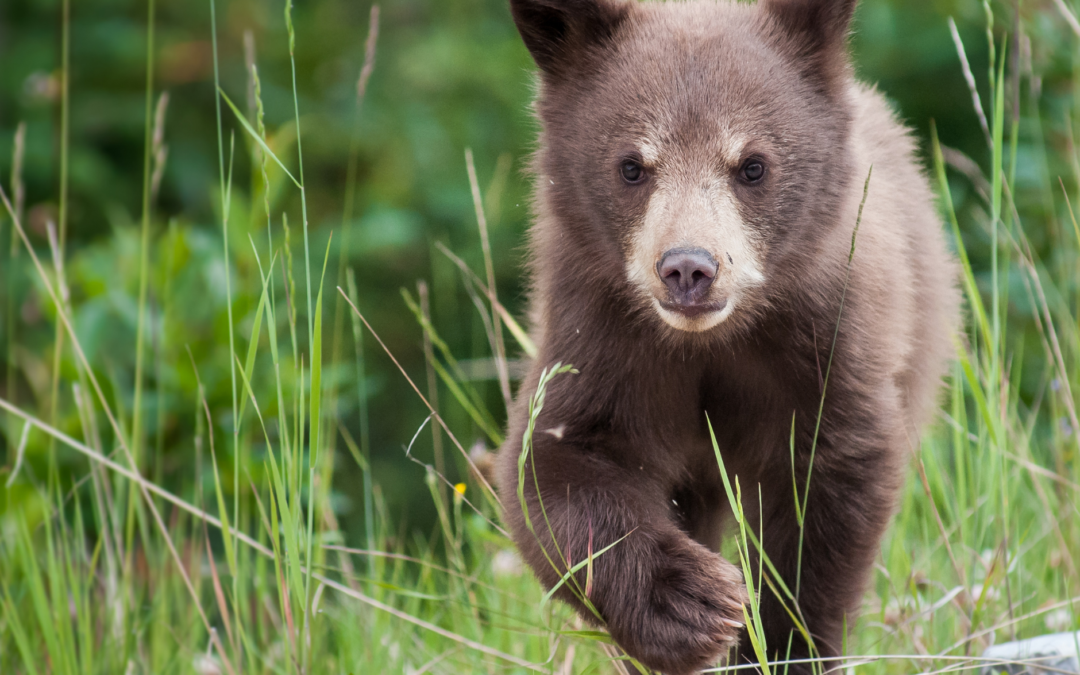
This article highlights an important example of a wildlife commission following the will of the public. Due to an unfilled commission seat, the vote ended in a 4-4 tie putting the controversial bear hunt on hold. The commissioners that voted against the hunt questioned WDFW’s population data and cited public opinion as a main reason for their vote.

Read more

How a B.C. conservation officer’s refusal to kill two bear cubs sparked a debate about managing wildlife

By Nancy MacDonald. Originally published in The Globe and Mail.

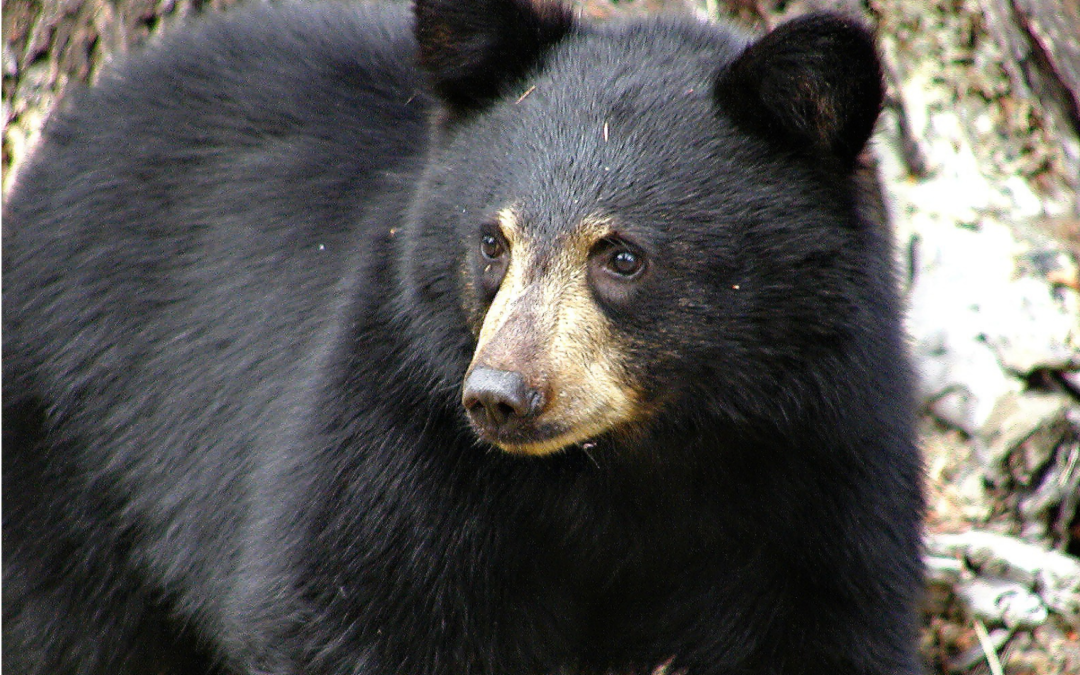
Although this story is about events in Canada, it illustrates how provincial wildlife management, like its counterpart in state wildlife management in the U.S., is driven by an ethos of domination (often leading to the death of wildlife) rather than coexistence, a predictable result perhaps of the North American Model of Wildlife Conservation’s view of wild animals as soulless resources.

Read more