
If You’re Horrified by Alaska’s Bear Gunning, This Is Why State Wildlife Governance Matters
This is not an isolated controversy. It is a warning about how wildlife governance works across the United States, and why systemic reform is urgently needed.
What’s Happening in Alaska?
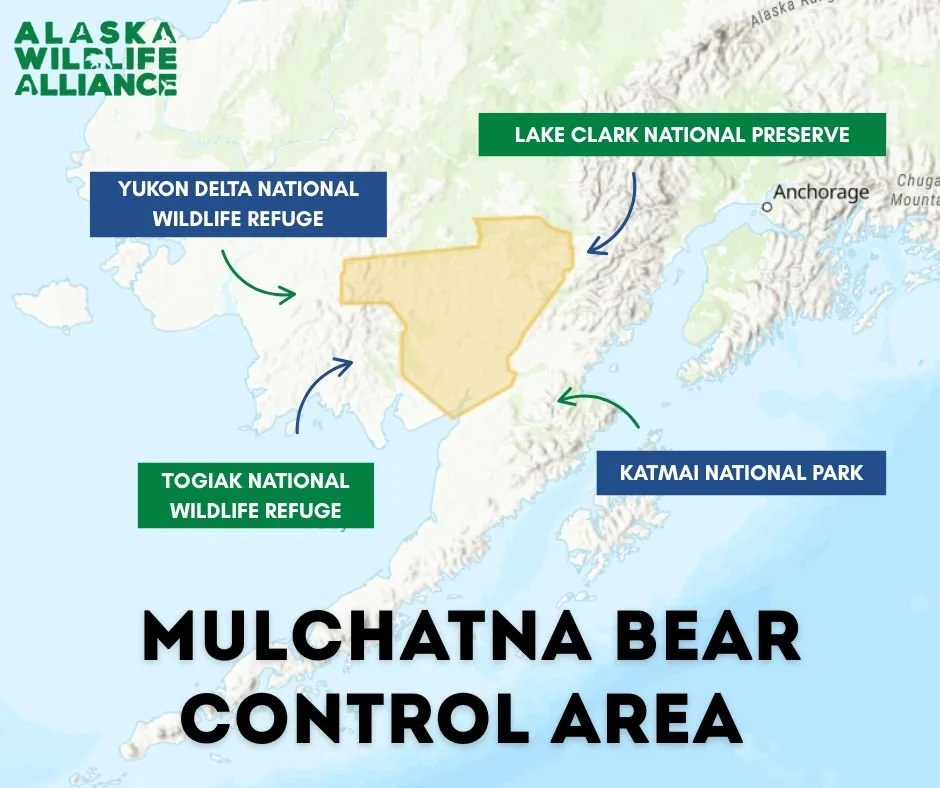
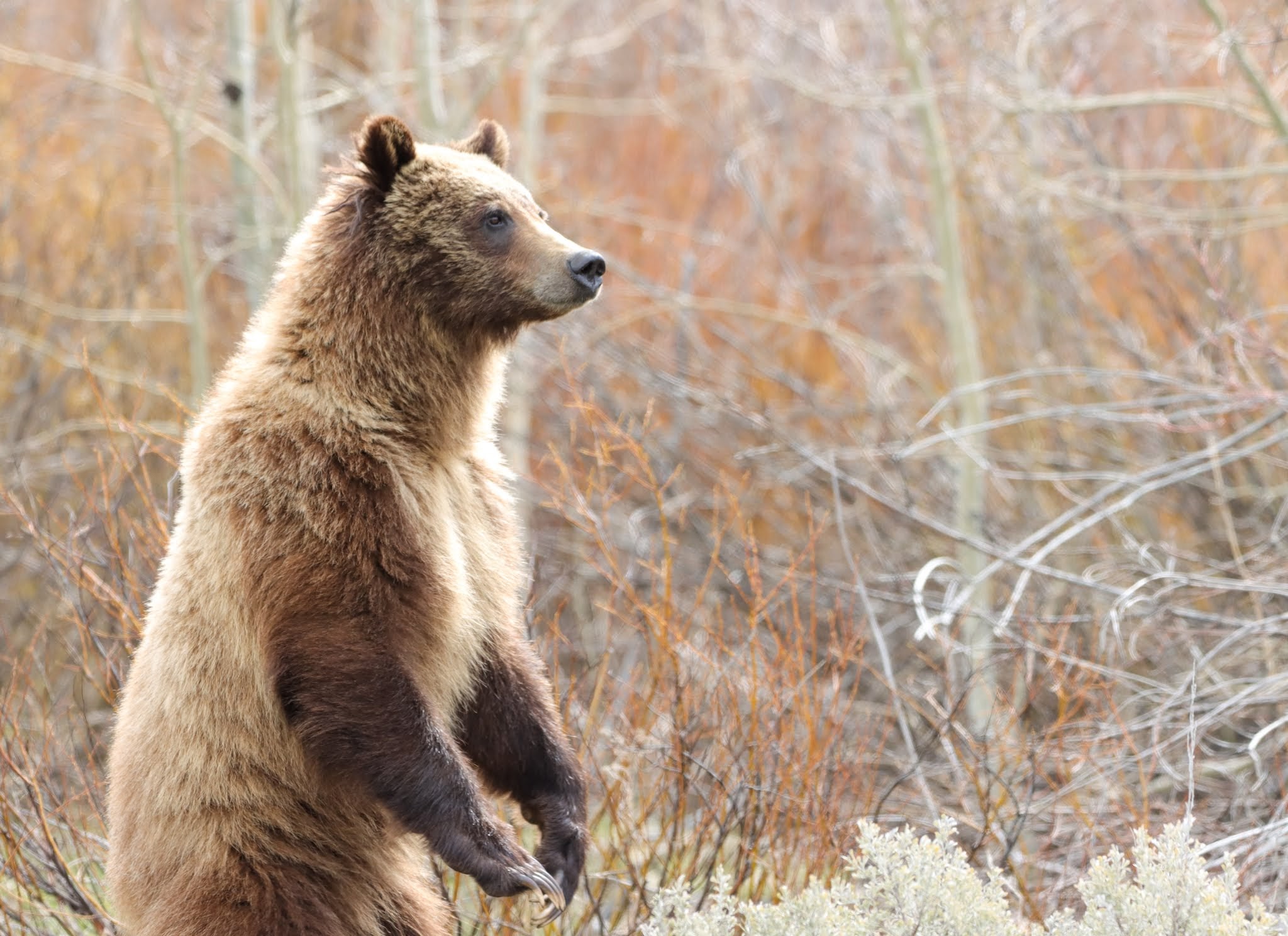
Image courtesy of the Alaska Wildlife Alliance.
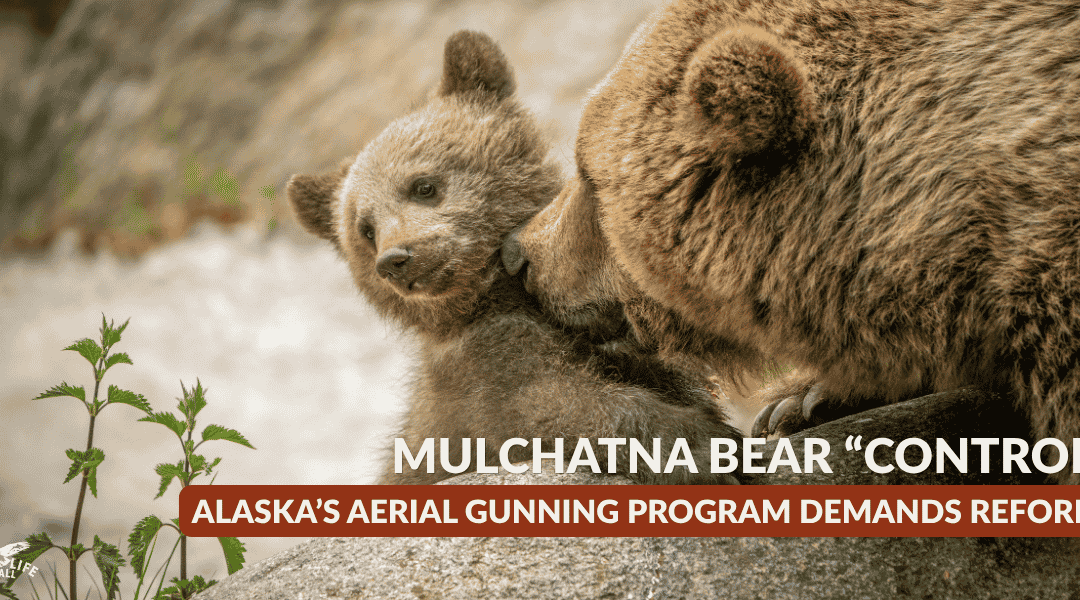
The Alaska Department of Fish and Game and Alaska Board of Game have authorized the large-scale killing of brown and black bears across roughly 40,000 square miles in Southwest Alaska as part of the Mulchatna predator control program.
State officials argue the killings are intended to increase caribou numbers for hunting opportunities. But many wildlife scientists, former Alaska wildlife officials, conservation organizations, and members of the public dispute both the scientific basis and legality of the program.
According to Alaska Wildlife Alliance, nearly 200 bears — including at least 36 cubs — were killed between 2023 and 2025. Some were shot only miles from federally protected landscapes connected to Katmai National Park and Brooks Falls, home to some of the nation’s most beloved brown bears.
Multiple lawsuits have challenged the program. Courts have previously ruled that aspects of the policy were unlawfully adopted without proper public process or sufficient scientific review. Judges have also criticized state officials for acting in “bad faith.”
Yet the killings continue. Despite years of public opposition, lawsuits, court rulings, and criticism from former state biologists, Alaska has resumed aerial gunning operations once again.
 Mulchatna Is a Governance Crisis
What’s happening in Alaska is not just about one predator control program; it reveals a deeper structural problem in wildlife governance.
Across the country, a small number of appointed officials on state wildlife commissions and game boards make decisions that shape predator policy, biodiversity, ecosystem health, habitat management, and coexistence, often with limited public accountability and under intense pressure from politically entrenched interests.
In many states:
- Wildlife commissions are dominated by narrow interests rather than broad public representation.
- Public participation is limited or minimized.
- Agencies rely heavily on hunting and fishing revenue structures that can skew management priorities toward a small number of species and perceived small list of “legitimate” stakeholders.
- Science is often overridden by political pressure, and whole bodies of science around ecosystem health and coexistence are often minimized or ignored.
- Wildlife are treated primarily as resources for extraction rather than as vital members of ecosystems.
The Mulchatna bear program reflects all of these failures at once.
According to retired Alaska wildlife biologists who publicly opposed the program, there is weak evidence that large-scale bear killing will restore the Mulchatna caribou herd. Research and agency reports have pointed to climate impacts, habitat change, disease, and other ecological pressures as major contributors to the herd’s decline.
At the same time, Alaska moved forward with aggressive predator removal despite lacking sufficient bear population data in the region. That is politically driven management under the banner of “science.”
The Board of Game reinstated this program despite major public opposition, legal challenges, and warnings from former agency biologists. Courts have repeatedly deferred to agency discretion on technical wildlife decisions, which means the structure, transparency, and values of wildlife governance itself become critically important.
It’s important to note that this is not just a debate about one predator control program; it is a case study in how wildlife governance systems function.
State wildlife commissions and agencies make decisions every year that affect entire ecosystems. Those decisions are often framed as “science-based,” but science does not operate outside systems of power, political priorities, funding structures, and public accountability.
Wildlife Belongs to the Public
Wildlife are held in the public trust. That means state agencies are supposed to manage wildlife for current and future generations, not only for the loudest or most politically influential constituencies.
But the public cannot meaningfully shape wildlife policy if decisions are made behind closed doors, if public input is minimized, or if governance systems exclude diverse voices and values.
This is why Wildlife for All focuses on systemic change: because if the public is excluded from decision-making until after harmful policies are already in place, communities are left constantly fighting defensive battles instead of proactively shaping ethical, democratic, science-informed wildlife policy from the beginning.
Wildlife governance should not be controlled by the loudest or most politically entrenched interests. It should reflect biodiversity protection, ecological science, democratic participation, coexistence, and the public trust responsibility to steward wildlife for all life.
These decisions move through wildlife governance systems: state game boards, agencies, regulatory processes, and political structures that shape whose voices are prioritized and what values drive policy. And once policies are approved, courts often defer to agencies and boards on “technical wildlife management decisions,” making harmful programs extremely difficult to stop after the fact.
We cannot spend the next 30 years only reacting after policies are already in motion and wildlife are already being killed.
Instead of constantly scrambling to respond after wildlife has already been harmed, we need to change the systems that keep producing these outcomes in the first place. We must build a system of wildlife governance that is more democratic, transparent, science-informed, and accountable to the public — not just politically entrenched interests.
In our view, state wildlife governance should:
- Be democratic and transparent
- Follow science-informed policy grounded in ecosystem health
- Create pathways for public accountability in wildlife decision-making
- Include diverse representation on wildlife commissions
- Fund conservation to support biodiversity protect and value for all species
- Root policy in coexistence, ecological integrity, and justice for all life
Because wildlife management decisions should not be controlled by narrow political interests at the expense of ecosystems, predators, biodiversity, and public trust.
 Take Action
Let’s fight the short-term and the long-term battles. Right now, your voice is needed. Contact Alaska leaders and urge them to end aerial predator control TODAY:
Governor Mike Dunleavy
Instagram: @govmikedunleavy
Phone: (907) 465-3500
Contact: https://aws.state.ak.us/crmforms/home/feedback
Alaska Department of Fish and Game
Instagram: @adfg.official
Phone: (907) 465-4100
Contact: https://www.adfg.alaska.gov/index.cfm?adfg=contacts.emailus
Alaska Board of Game
Email: dfg.bog.comments@alaska.gov
Phone: (907) 465-4110
Talking Points
- Nearly 200 bears, including cubs, have already been killed through aerial gunning operations in Southwest Alaska.
- The program was originally adopted without proper public process or sufficient bear population data.
- Multiple courts have found aspects of the program unlawful or criticized the State’s actions and process.
- Retired Alaska wildlife biologists and former agency officials have publicly questioned the scientific justification for the program.
- Research and agency reports suggest climate impacts, disease, habitat conditions, and other ecological pressures are major drivers of the Mulchatna caribou decline, not simply bear predation.
- Bears reproduce slowly. Removing large numbers of bears, including females and cubs, can have long-term ecological consequences.
- Wildlife belongs to the public and should be managed transparently, ethically, and using the best available science.
- Alaska should invest in science-based wildlife management, habitat restoration, monitoring, and ecosystem resilience , not costly predator eradication programs.
- People cannot meaningfully participate in wildlife governance if decisions are made behind closed doors or with limited public input.
Wildlife belongs to all of us, and to themselves, not just the loudest or most politically entrenched interests. Decisions that affect predators, biodiversity, ecosystems, and coexistence should not happen without meaningful public accountability.
Sample Email/Call Script
Hello, my name is [NAME], and I’m calling to urge [OFFICIAL/AGENCY] to oppose the Mulchatna bear control program and end aerial gunning of bears in Southwest Alaska.
I’m deeply concerned that nearly 200 bears — including cubs — have already been killed under a program that has faced repeated legal challenges and widespread criticism from scientists, former wildlife officials, and the public.
I believe wildlife management decisions should be guided by credible science, transparency, and ecosystem health, not politically driven predator control programs adopted without adequate public process or sufficient bear population data.
Bears are an essential part of healthy ecosystems, and large-scale aerial killing programs raise serious ecological and ethical concerns.
I urge [OFFICIAL/AGENCY] to:
- End the Mulchatna bear control program,
- Invest in habitat research on the Mulchatna caribou herd,
- Ensure transparent public process and accountability in wildlife governance,
- And prioritize long-term ecosystem health over politically driven predator eradication.
Thank you for your time.
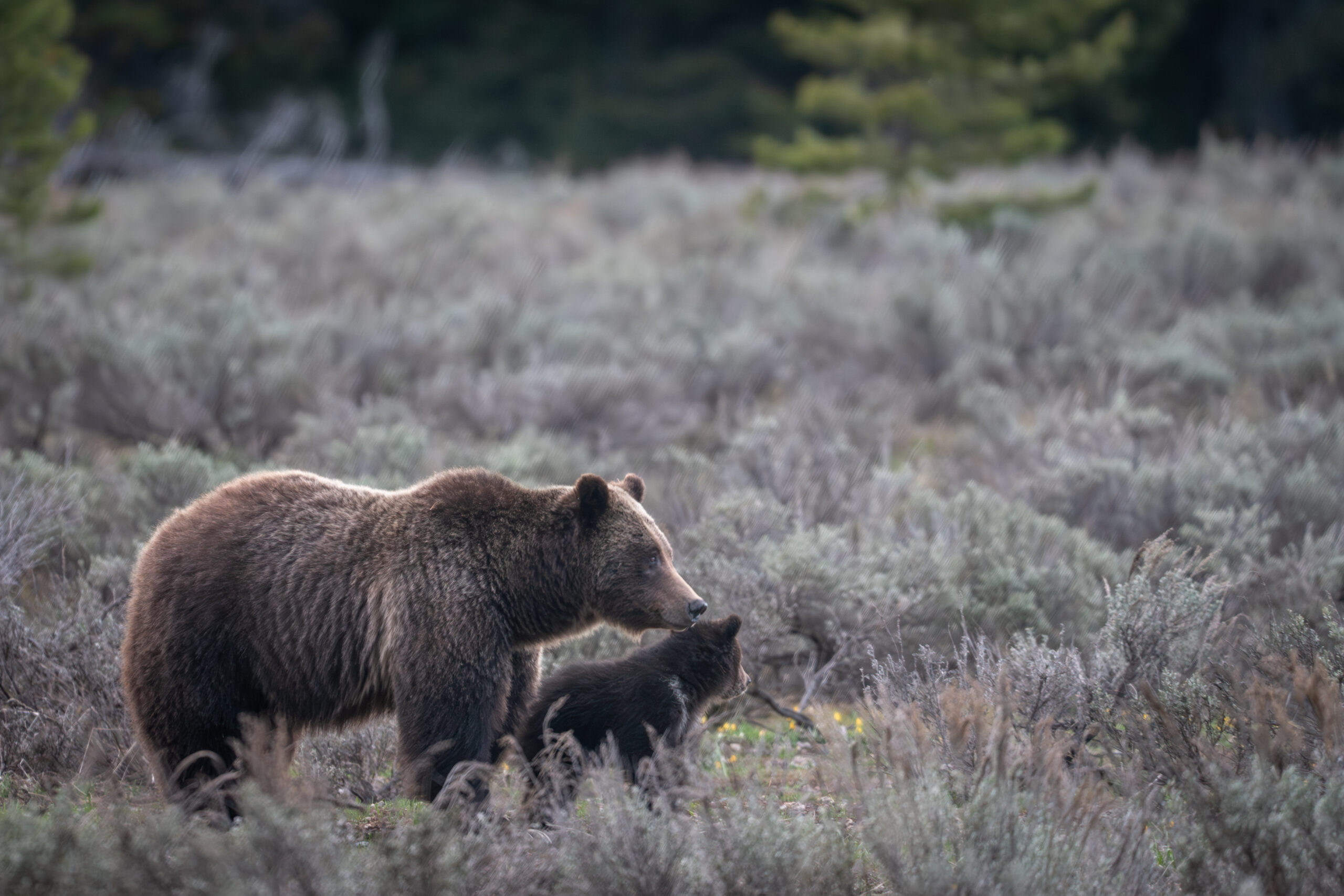
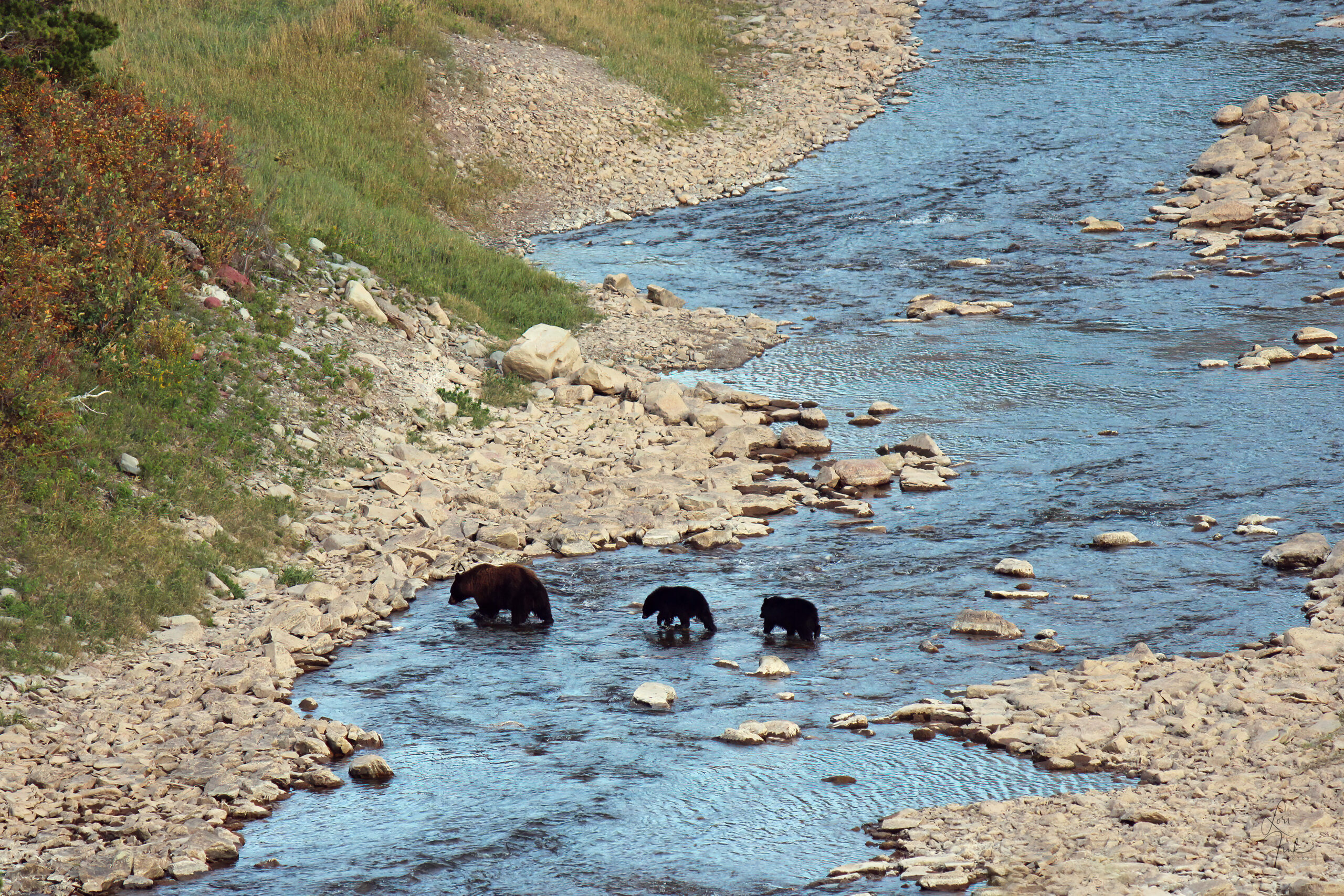
Photo of Grizzly 399 and Spirit by C. Adams, Grand Teton National Park
The future of wildlife will not be decided only in Congress or the courts. It is also being decided in state commission meetings, regulatory hearings, funding structures, and governance systems that most people never hear about until a crisis erupts. This is exactly why reforming state wildlife commissions and agencies matters.
And that reality has to change, because people cannot protect what they are excluded from.
Join us to shape the long-term fight for real change too.