
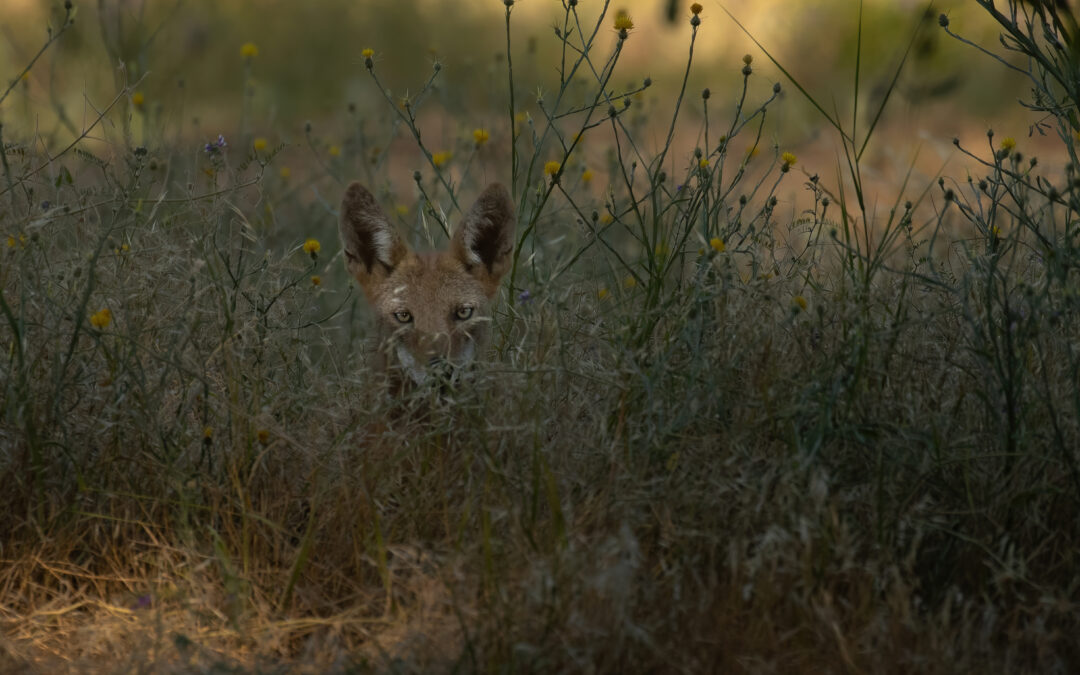
Last week, a coyote was shot in one of Oregon’s most visited public landscapes.
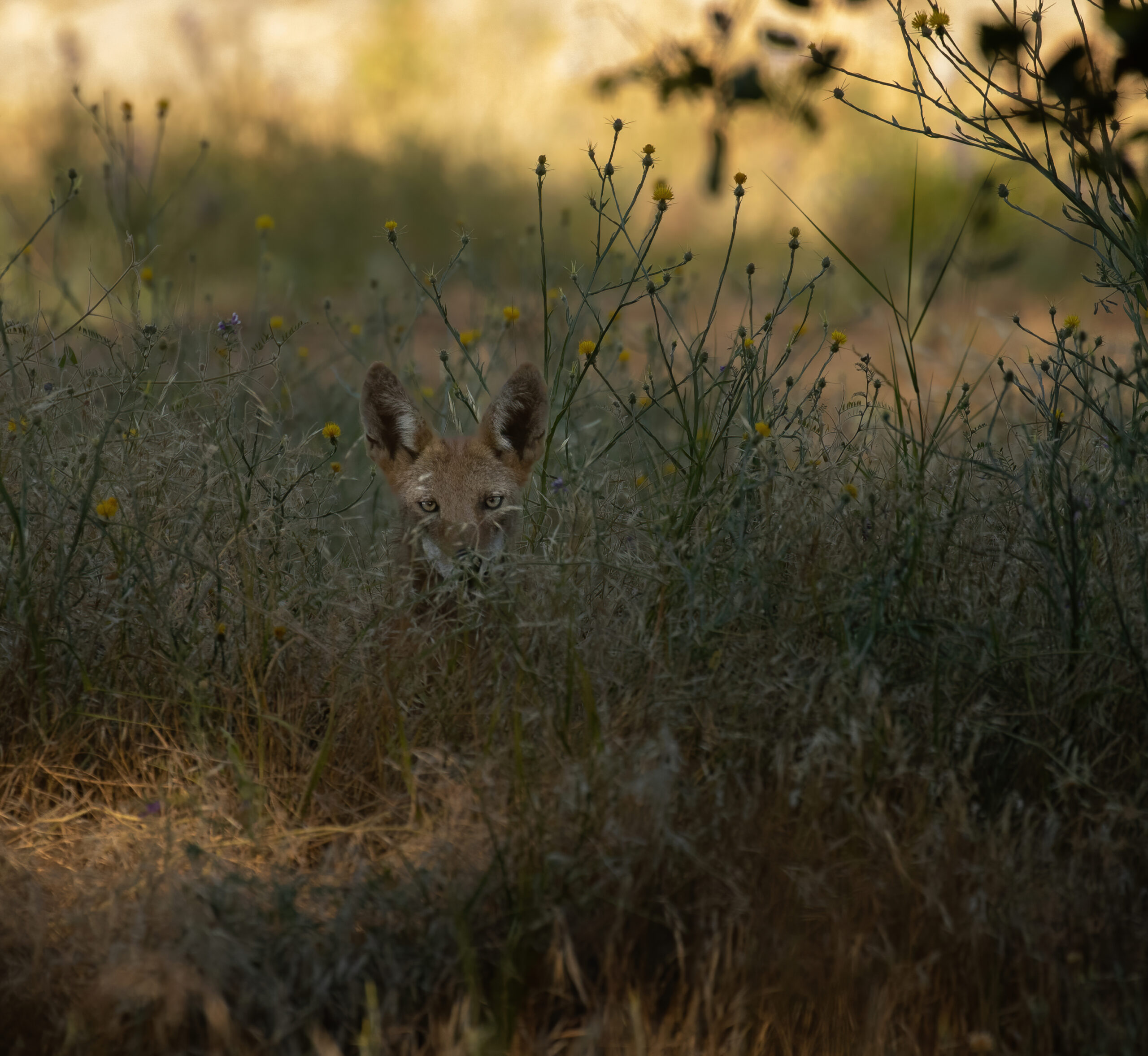
Howard Buford Recreation Area, known locally as Mount Pisgah, is a 2,000+ acre park outside Eugene that sees hundreds of thousands of visitors each year and includes active coyote denning habitat.
This is a shared landscape by design, which *should* make coexistence and prevention the core responsibility of wildlife management.
In this case, a Mount Pigsah coyote became habituated to people, likely due to food conditioning and constant human presence in a known denning area. These are well-established, preventable drivers of conflict, and they don’t emerge overnight. They develop when agencies fail to manage human behavior and habitat pressures early and consistently. 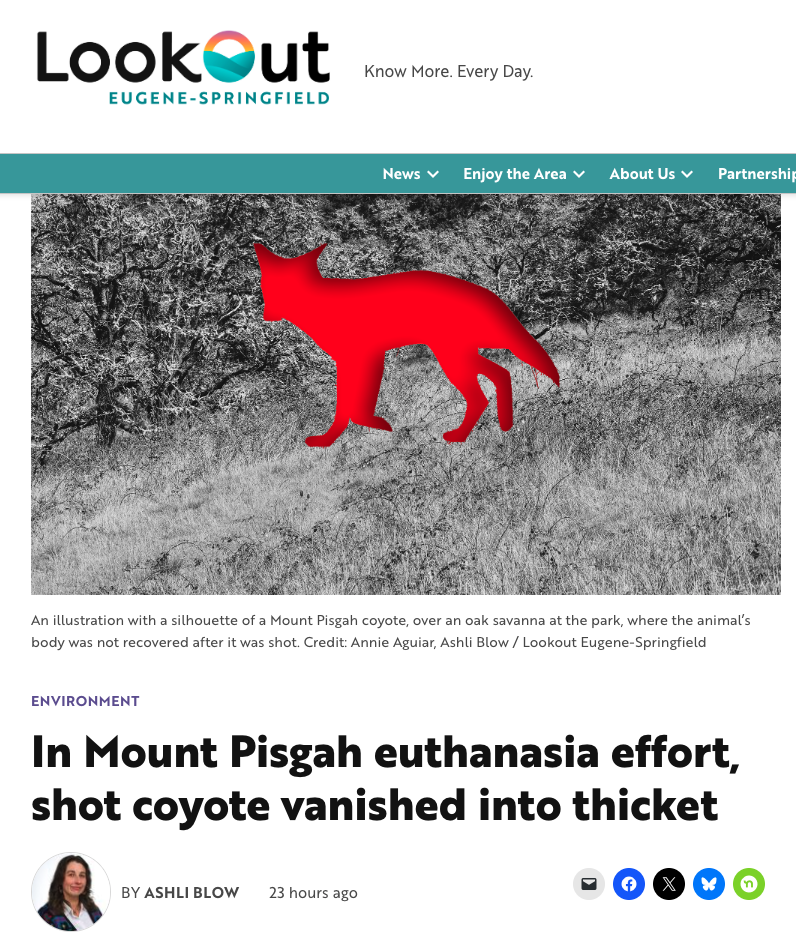
Instead of early intervention, the situation escalated to lethal control. A contractor shot the animal with a rifle; it fled into dense vegetation and was not recovered. Officials have described the outcome as humane.
That framing should concern anyone who expects wildlife management to be grounded in science and accountability.
This is what a reactive system looks like: conflict is allowed to develop, prevention is underused, and the response comes only at the point of crisis. At that stage, options are limited, outcomes are uncertain, and the costs are borne entirely by the animal.
In this case, the available information suggests those earlier steps were either insufficient or came too late to prevent escalation for this coyote.
More importantly, it reflects a deeper institutional pattern. Wildlife agencies routinely default to removing animals rather than addressing the human behaviors and landscape conditions that create conflict in the first place. That approach is not only less effective, it undermines public trust and fails to align with what the science actually supports.
In interviews following the shooting of this Mount Pigsah coyote, Wildlife for All Executive Director Michelle Lute emphasized that situations like this are preventable and pointed to well-established coexistence strategies that reduce risk before it escalates.
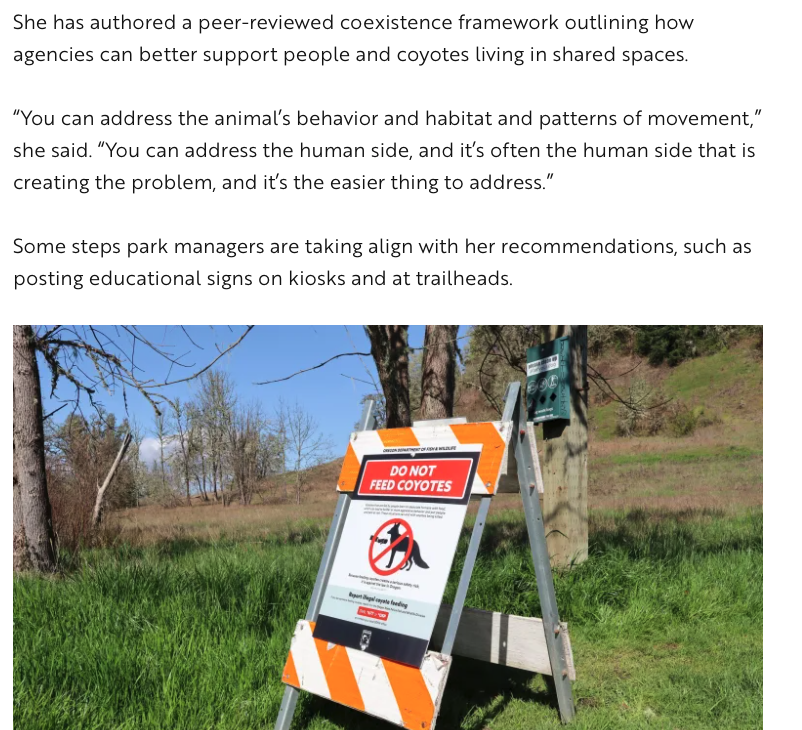 Coexistence is not abstract. It requires managing attractants, enforcing clear public guidance, protecting sensitive habitat during denning season, and planning for wildlife presence in heavily used areas. None of that is new, and none of it is optional in places like Mount Pisgah.
Wildlife conflict prevention requires investment, planning, and accountability. Killing an animal requires none of those things, which is why it so often becomes the default “fix.”
It also reinforces a cycle where agencies invest more in response than prevention, despite decades of research showing that coexistence strategies are more effective, more humane, and more aligned with public expectations.
Time and again, agencies respond at the point of crisis rather than investing in the conditions that prevent conflict in the first place. The science is clear that human behavior is one of the primary drivers of wildlife conflict … and one of the most solvable.
Lethal control should be rare and truly a last resort. When it becomes the point at which agencies finally act, it signals a system that is out of alignment with both science and public values.
This isn’t about a single incident. It’s about whether wildlife governance is structured to prevent harm, or simply respond to it after the fact.
Wildlife governance must evolve toward systems that prioritize prevention, accountability, and coexistence. This is exactly why Wildlife for All is working to transform state wildlife governance at its core. Incidents like this are not isolated; they are the predictable result of systems that prioritize reaction over prevention and narrow user groups over the broader public trust.
Real change means restructuring how agencies are funded, how decisions are made, and who those decisions serve, so that coexistence, science, and democratic values guide management from the start.
Our goal isn’t just resolving conflict after it happens; it’s building a world where conflict happens less in the first place because coexistence is the norm.