Last week’s Mount Pigsah coyote shooting reveals failures in state wildlife management and the lack of coexistence.
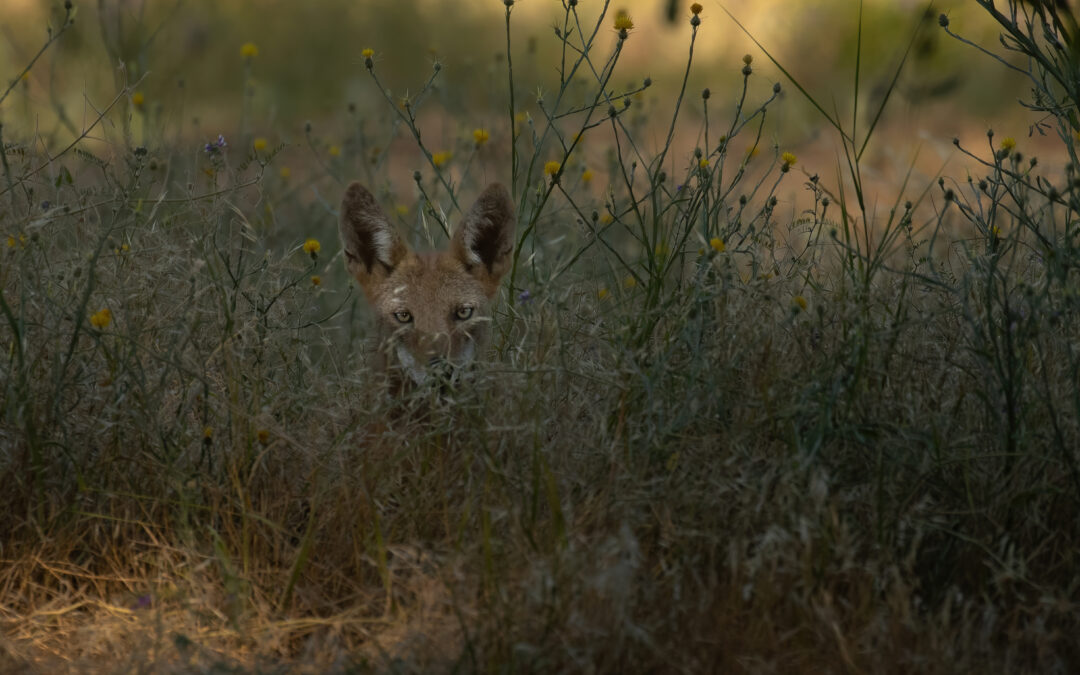

Last week’s Mount Pigsah coyote shooting reveals failures in state wildlife management and the lack of coexistence.
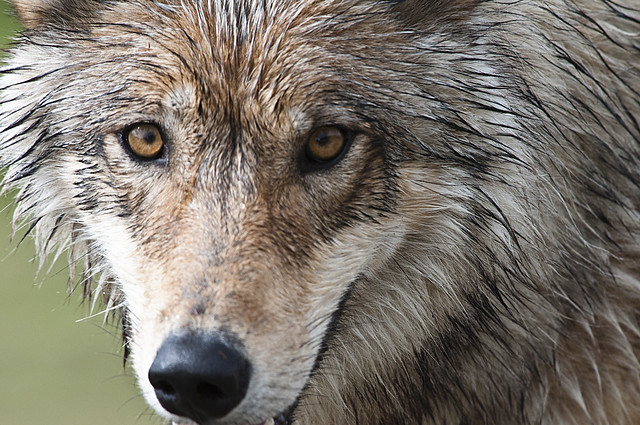
In February 2026, the Idaho Department of Fish and Game killed three wolves in the Panhandle region near Sandpoint, blaming them for an “underperforming” elk population. This isn’t “science-based management,” it’s a pattern and part of a broader systemic problem with wildlife governance.
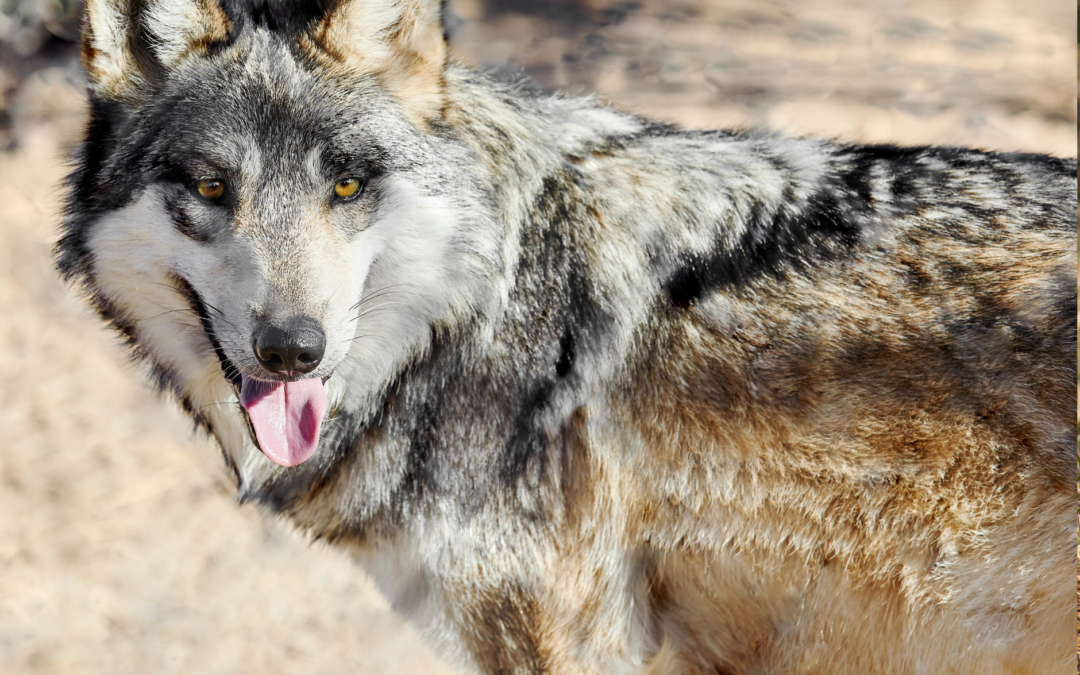
Lobo Week 2026 (March 22-29) raises awareness and advocacy for the endangered Mexican gray wolf, or lobo. The U.S. Mexican gray wolf population has grown to 319 wolves across Arizona and New Mexico, but low genetic diversity, illegal killing, and political boundaries continue to threaten their survival.
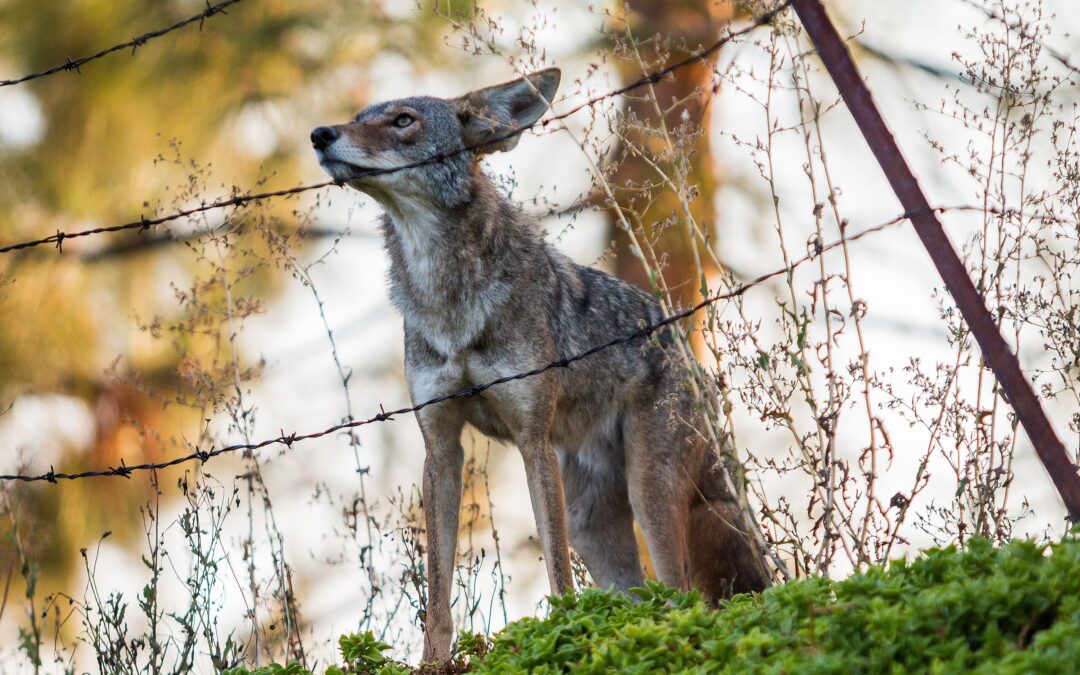
March 16-23 is Coyote Awareness Week. Urban and rural coyotes alike learned to adapt to their surroundings, find a niche, and even thrive in a world that was never built for them, despite the species’ long history of persecution within North America.
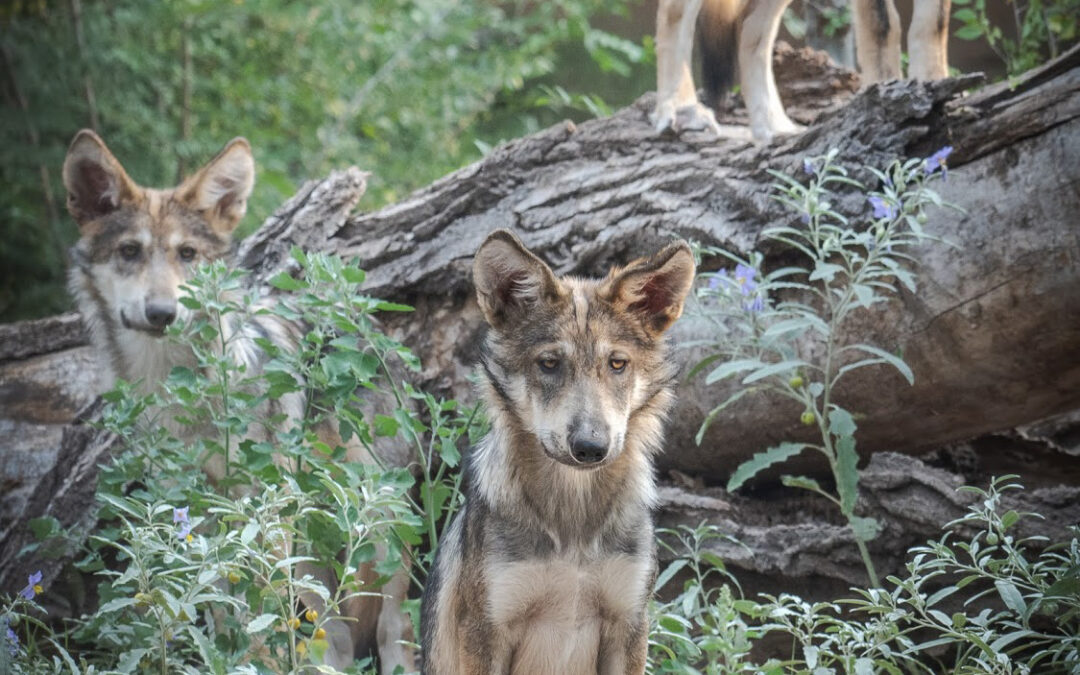
Southwest wildlife agencies today jointly announced that the number of endangered Mexican gray wolves in the Southwest grew to 319 in 2025.
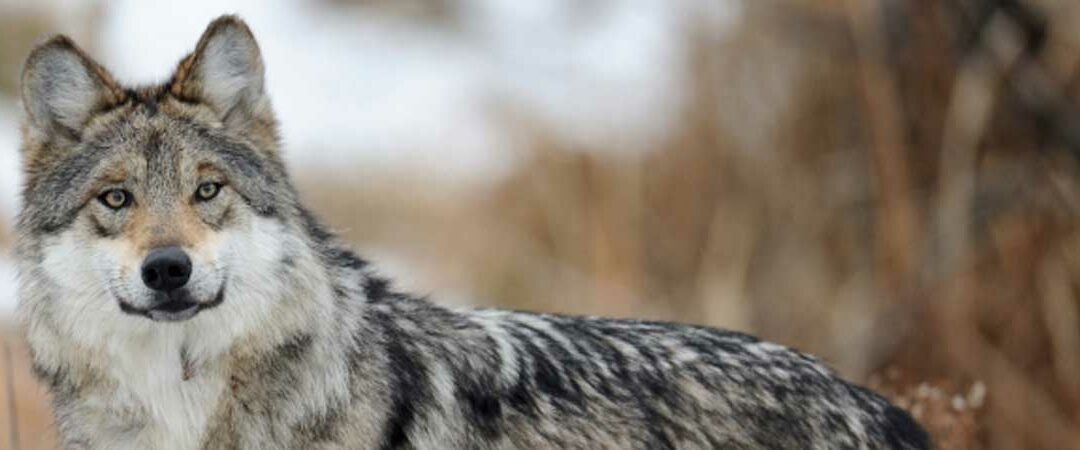
A newly revealed USFWS document allows ranchers to kill any one endangered Mexican gray wolf in two New Mexico grazing allotments.
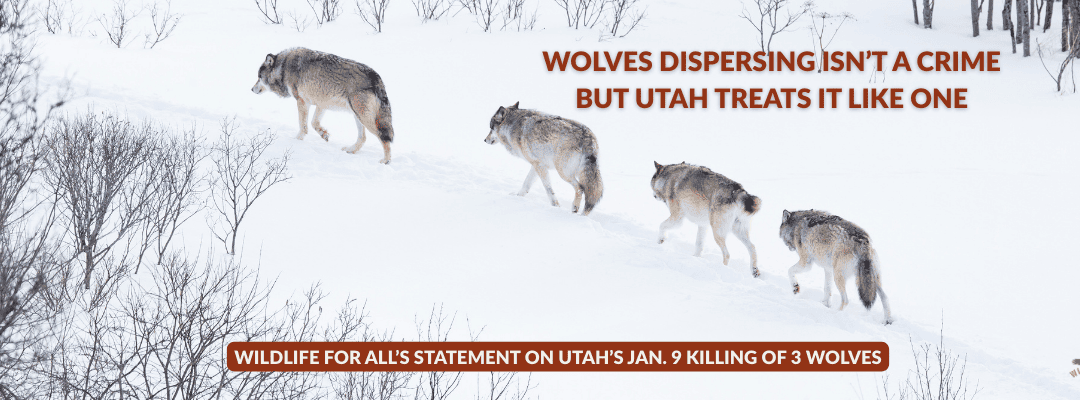
On Jan. 9, Utah killed three dispersing gray wolves near Avon because their presence alone violated the state’s unofficial “no wolves” policy.

Utah wildlife officials are floating a plan to remove all cougars from multiple management units as an “experiment” to boost deer numbers.
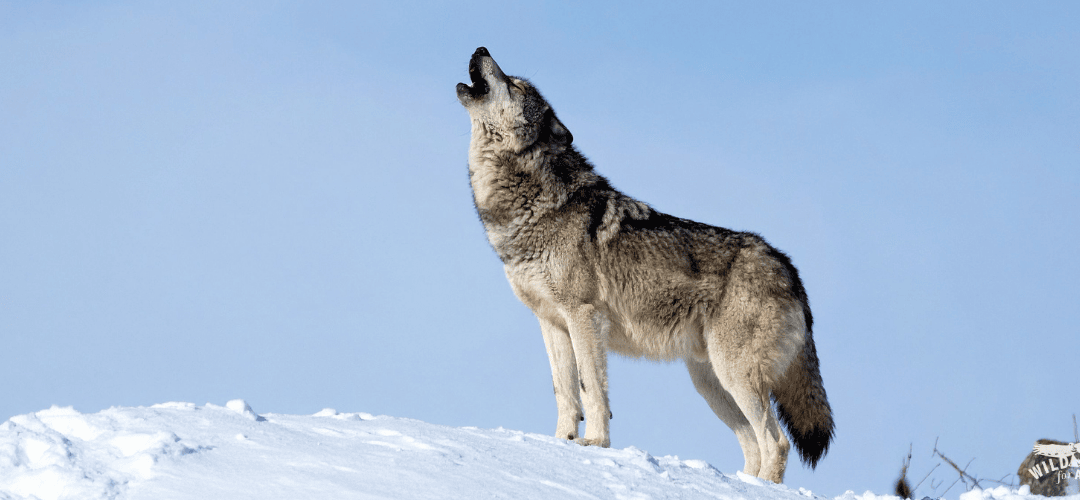
A Colorado wolf entered New Mexico and was immediately captured and returned because states treat natural wolf movement as a problem.

Storytelling can help challenge misinformation, build empathy for misunderstood wildlife, and inspire a sense of wonder and stewardship for the natural world. Rutherford Montgomery’s 1937 classic Yellow Eyes, portraying federal predator eradication programs of the time through the eyes of a cougar, is still relevant today in how it challenges and subverts traditional narratives about predators.

A newly released peer-reviewed article challenges the idea that killing predators reliably reduces livestock losses or improves coexistence.

Wolf Awareness Week 2025 is about more than celebrating wolves — it’s a call to reform broken state wildlife governance systems that endanger them.

Cody Roberts has been indicted by a grand jury. But his wolf torture case shows why state wildlife governance needs urgent reform.
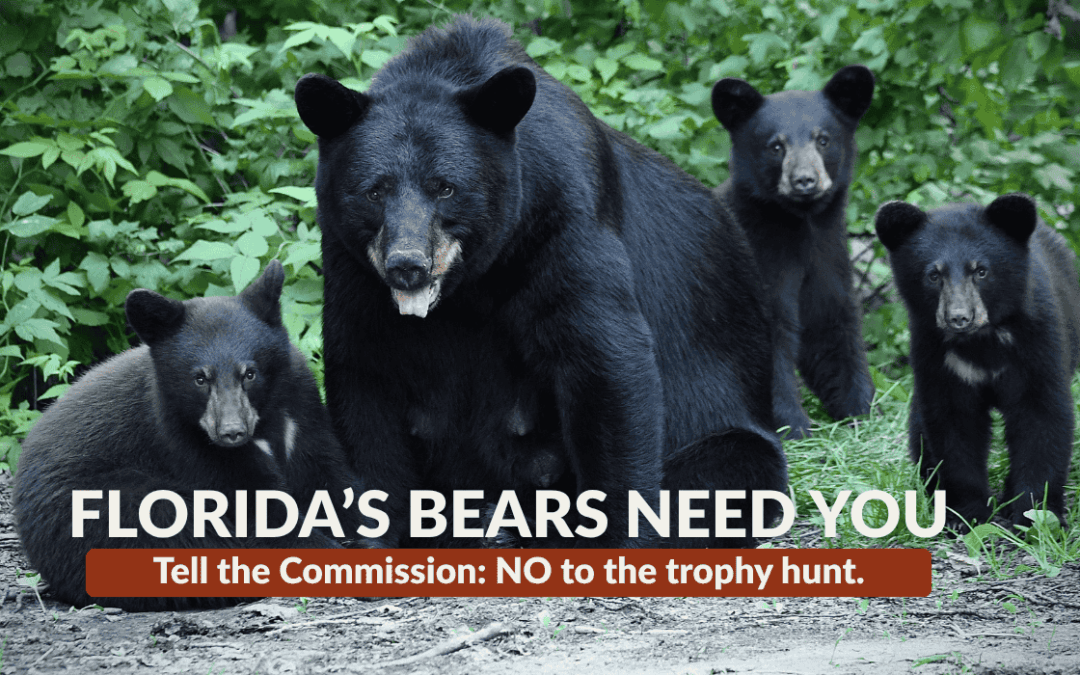
Florida officials are pushing to reinstate a cruel, trophy-driven black bear hunt—despite overwhelming public opposition.
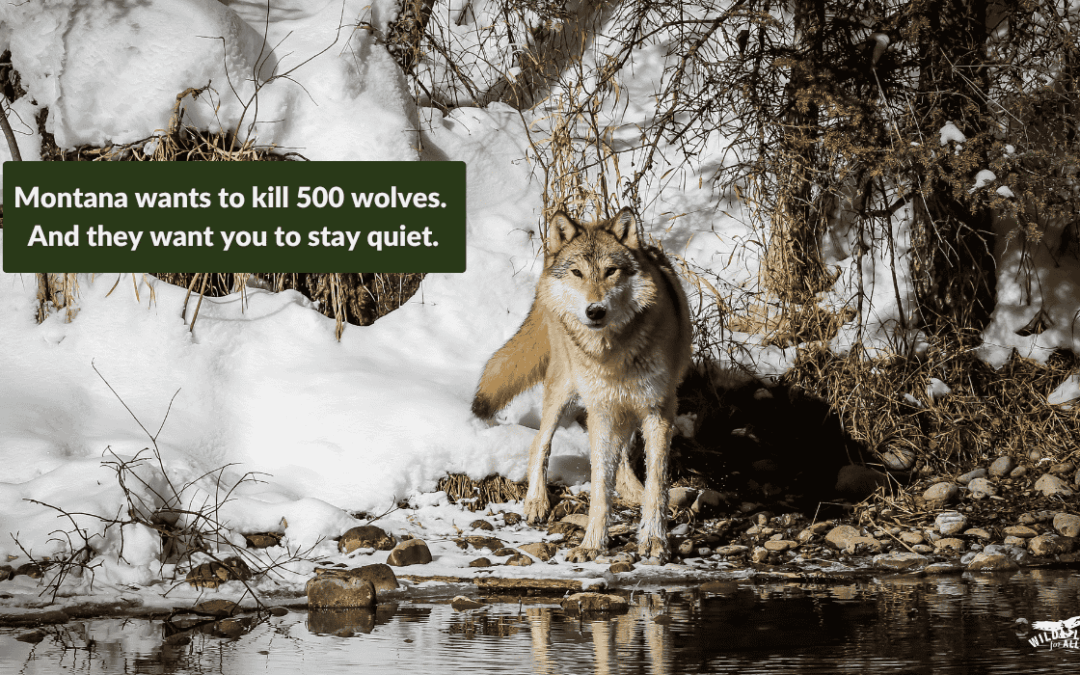
The Montana war on wolves is escalating. The state’s proposed regulations threaten to wipe out wolves within five years. Alert: New Amendments Reveal Montana Commission Wants to Double Down on Wolf-Killing Ahead of Court Review Just after a federal judge ruled that...
Wolf pups have been spotted again in Colorado, which brings much-needed hope to the crisis Colorado’s wolves face.

Wildlife management decisions are heavily driven by values. Current dominant paradigms emphasize managing specific species to maximize recreational opportunities and other uses to humans. What might a holistic, ecological approach look like?

Urgent action is needed to protect the Endangered Species Act from the Trump administration’s attempt to change the definition of “harm,” which threatens the core of this law and the wildlife that depend on it.

Take action for grizzlies to protect one of North America’s most iconic and threatened species in honor of Endangered Species Day—before it’s too late. Comments are due at 11:59 p.m. ET May 16.

Dire wolves may be extinct, but today’s wolves are still here—real, wild, and worth fighting for. Let’s stop the distracting fantasies and start advocating for the living beings and wild places that need us now.