

On June 19, 2026, Arizona Gov. Katie Hobbs vetoed SB 1280, protecting a critical aspect of the Mexican Wolf Recovery Program. Initially introduced in January, the bill would have legally barred the Arizona Fish & Game Commission from transporting Mexican gray wolf pups into Arizona, or spending public money or resources for wolf pup transportation. This legislation would have cut off cross-fostering – placing young captive-born wolf pups in dens – a conservation tactic that aims to bolster wild wolves’ genetic diversity.
Why genetic diversity matters
Mexican wolves, also called lobos, are the smallest and most genetically divergent North American gray wolf subspecies. Low genetic diversity remains a critical threat to their recovery. The entire population originates from just seven captive founder wolves. These individuals were survivors of an intensive eradication campaign that lasted until the 1970s.
Current genetic diversity in wild wolves has dropped over four straight years, even as the overall population grew. Mean kinship figures (a measure of average relatedness) indicate the reintroduced population has 37% less genetic diversity than lobos in the captive breeding program.
Releasing adult bonded pairs has been more effective (66% success rate) for the recovery program than placing neonatal pups in wild dens. Adult wild wolves naturally have much higher annual survival rates than pups. However, due to livestock industry pressure, the recovery program currently cannot release captive-born bonded pairs or family packs into the recovery area. This leaves cross-fostering pups as the only permitted way to introduce new genetics into the population – and Arizona’s legislature attempted to close off that tactic, too.
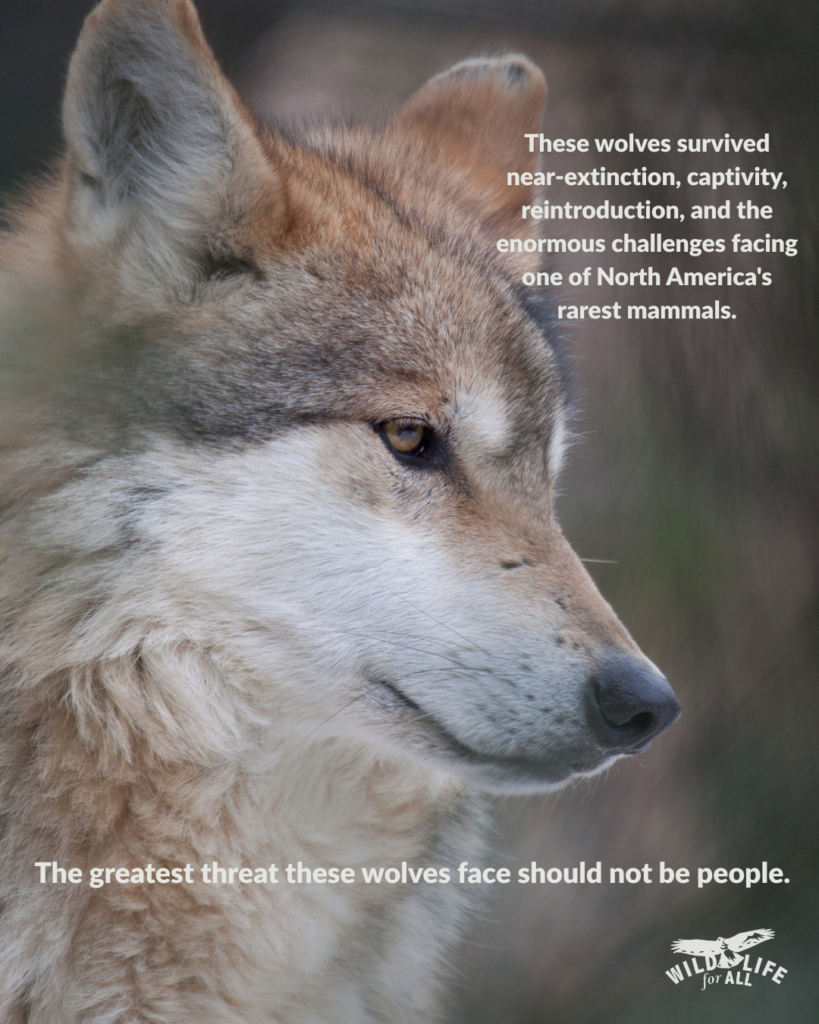
These wolves’ greatest threat should not be people
Mexican gray wolves face other conservation challenges, including poaching. Several mortalities stem from hunters apparently mistaking endangered wolves for coyotes. Coyotes are unprotected within the recovery area, and their close similarity of appearance to wolves serves as a dangerous loophole for illegal killing. Despite the lack of respect they get from state wildlife agencies, coyotes perform crucial ecosystem services and protecting them can help protect wolves as well.
Lobos are a “bureaucratically imperiled” endangered species – meaning economic interests and ideological opposition have stalled or blocked conservation progress. Arizona’s legislative attempt to prohibit cross-fostering is just one example. Policies confine wolves to a recovery zone and capture them when they wander past boundary lines. There are no plans to reintroduce or allow lobos to re-establish much of their historic U.S. range, though viable habitat remains. Capturing or killing genetically valuable wolves in retaliation for livestock losses also undermines recovery.
These wolves survived near-extinction, captivity, reintroduction, and enormous challenges. Their greatest threats should not include the very states charged with their recovery.
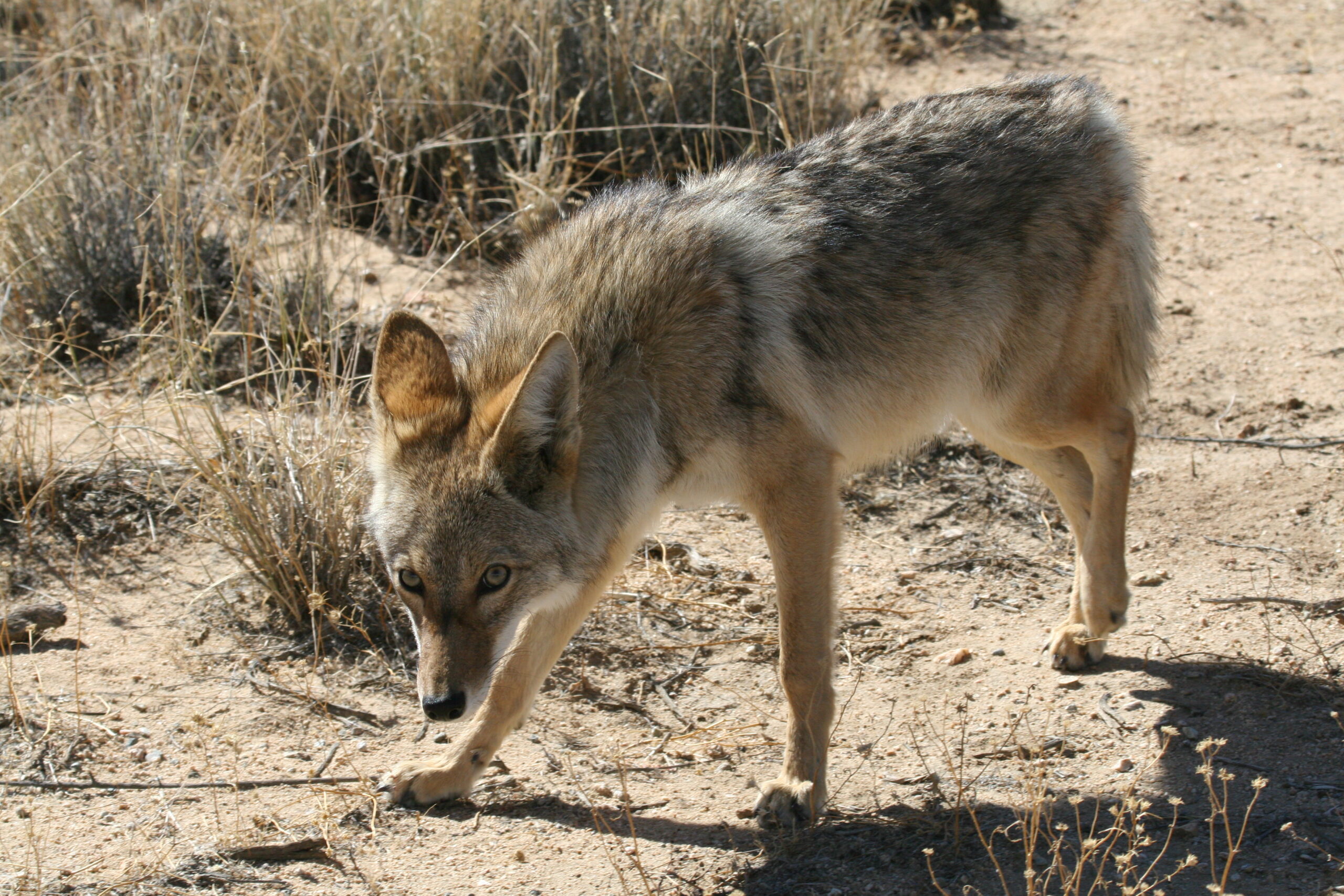
A coyote in the Southwestern United States. Coyotes closely resemble Mexican gray wolves.
Governor Hobbs’ veto marked a significant win for Arizona Mexican gray wolf recovery. It preserves one of the most important tools available for recovering this endangered species. Conservationists warned the bill would have undermined decades of recovery work and set a dangerous precedent.
Vetoing this harmful bill protects an important conservation tool and reminds us that informed public advocacy can make a real difference for wildlife when policymakers choose to listen. If you live in Arizona, thank her for standing up for Mexican gray wolves. Be a voice for wildlife in your state by visiting our Action Hub.