
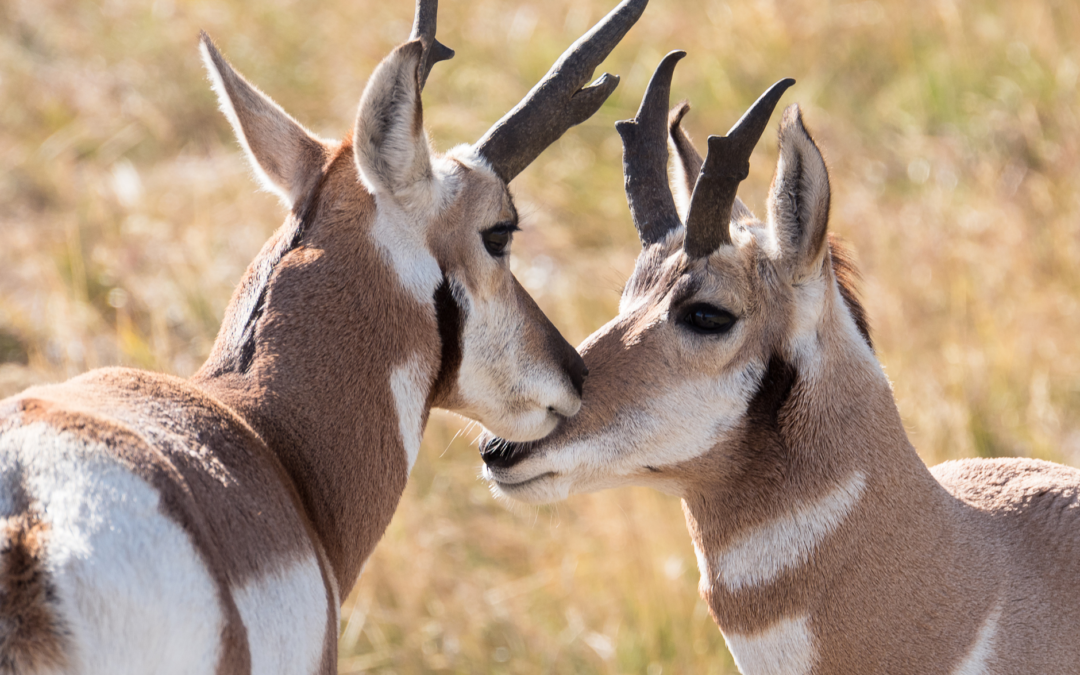
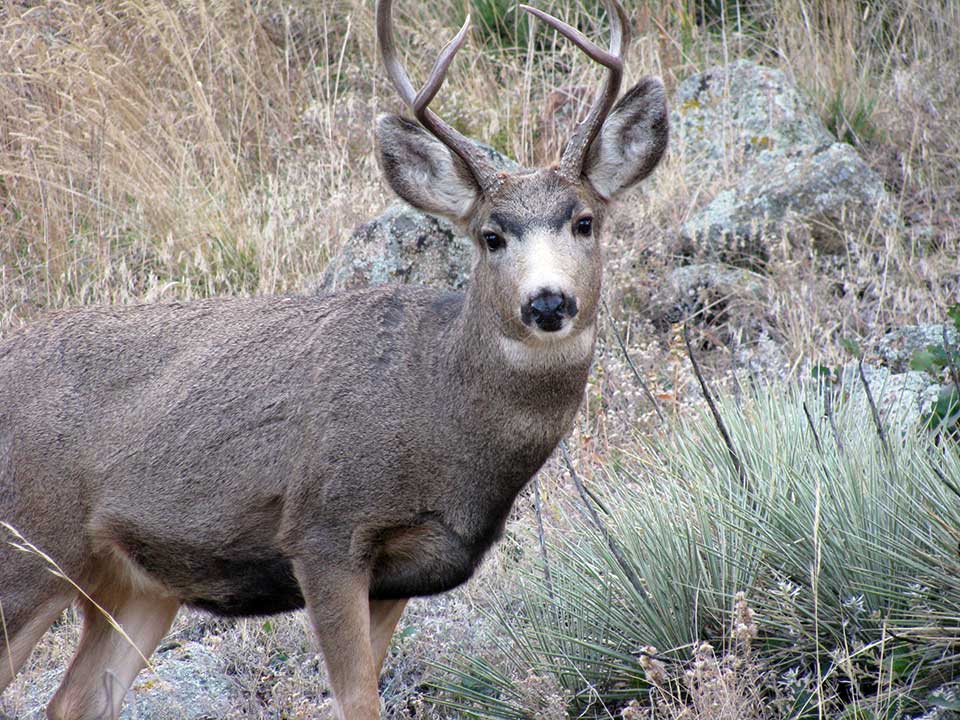
Wildlife declines rarely have a single cause. But one thing is clear: you can’t bulldoze migration corridors, fragment habitat, industrialize winter range, and expect wildlife populations to stay healthy. Pronghorn, mule deer, and elk all seasonally migrate between higher and lower elevations to access and feed on better quality forage. Protecting these migration corridors and habitat integrity is pivotal for these species to thrive.
Oil and Gas Lease Sales Threaten Critical Habitat
This month, the Bureau of Land Management (BLM) is offering 156,000 acres of Colorado public land – and key elk habitat – up for oil and gas leasing. Located near Dinosaur National Monument, these parcels include crucial migration corridors, winter range, and habitat for one of North America’s largest elk herds. Mule deer and pronghorn also call the area home, along with numerous species of conservation concern, including sage grouse, swift foxes, black-footed ferrets, and ferruginous hawks. Oil and gas extraction and development here threatens key habitat all these wildlife share.
This Colorado lease sale represents just one of several areas slated for oil and gas extraction across Western states. Legislation and revocations from the current administration explicitly prioritize livestock and nonrenewable energy industries over outdoor recreation, wildlife conservation, and other uses of public lands. In sharp contrast, the public majority of voters across these states favor conservation and recreation over extractive use.
Habitat loss and fragmentation remain among the greatest threats facing wildlife. Yet these actions rarely receive the same level of public attention or urgency that is directed at native carnivores. Predators often take blame when deer or elk herds struggle. Meanwhile the real causes of herd decline are rarely mentioned. Factors like habitat loss, fragmentation, roads, energy development, recreation pressure, drought, severe winter, and climate change all reshape western ecosystems to the detriment of the wildlife who live there. Yet whenever ungulate populations decline, predators such as wolves, coyotes, and cougars are often blamed first, even as critical habitat continues to fragment and degrade.
Carnivores Continue to be Convenient Scapegoats
For years, wolves have been erroneously blamed for declining elk populations across the West. In Idaho, the state wildlife agency regularly kills gray wolves as “control actions” in remote National Forest areas where they deem wolf hunting and trapping pressure to be insufficient. These wolf-killing actions, carried out on public lands, occur whenever Idaho elk herds are “underperforming” below management objectives. While underlying factors like logging and poaching are documented problems, the agency continues to blame local declines on wolf predation. In regions of the Northern Rockies, killing wolves to supposedly increase elk is even incentivized through bounty payments.
Colorado’s small wolf population is continually politicized, scrutinized and threatened due to management policies prioritizing lethal control over basic coexistence measures. Meanwhile, the federal government is moving forward with major oil and gas lease sales in Colorado’s prime elk habitat.
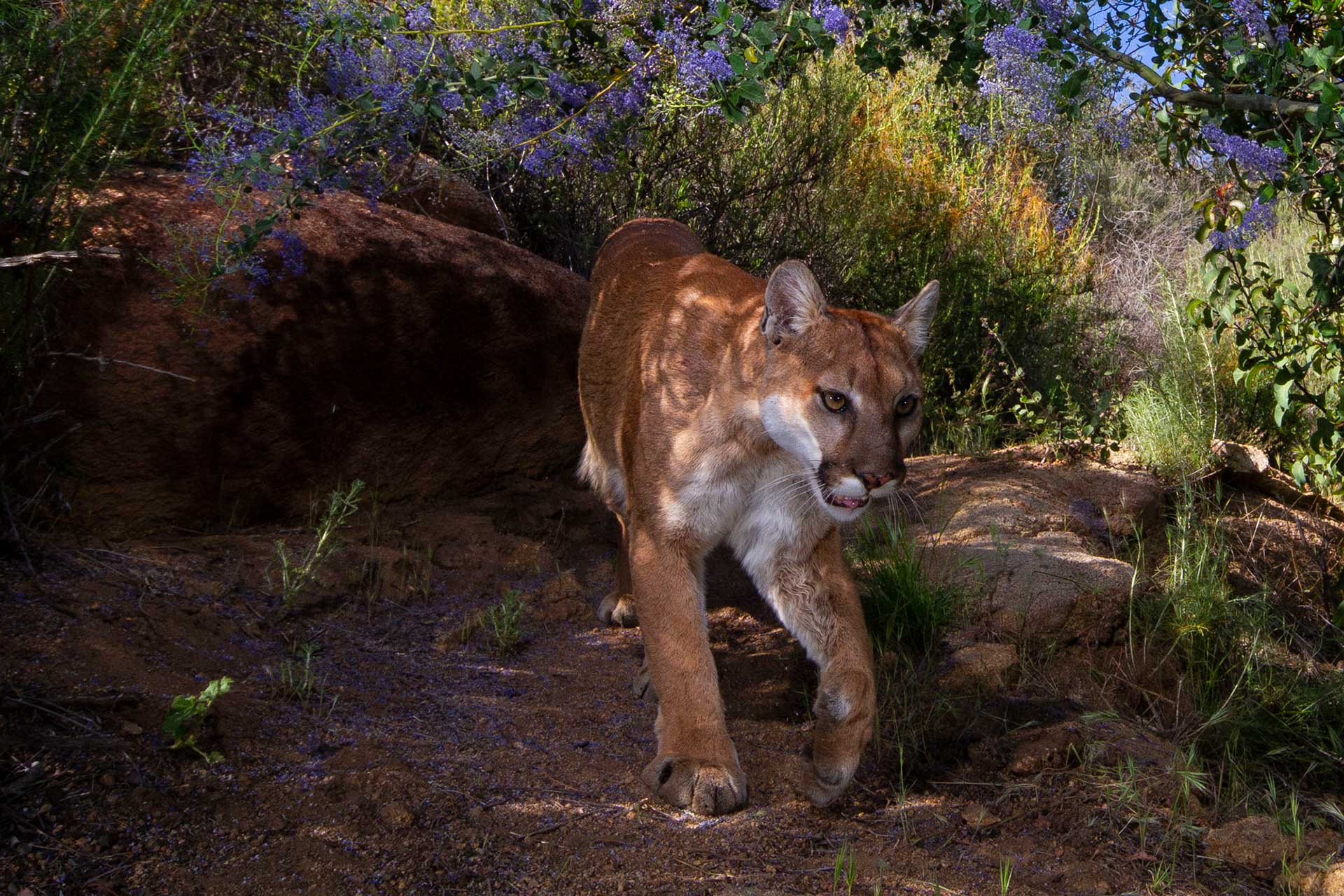
This scapegoating impacts other native carnivore species as well. Across many Western states like Utah and Nevada, state wildlife agencies respond to declines in mule deer herds by aggressively killing cougars and coyotes in the hopes of enhancing mule deer numbers. While often euphemistically called “experimental removal” or “studies”, these actions are indiscriminate, lack independent oversight, fail to account for confounding variables, and shift blame for declines onto another “convenient” native species.
Killing predators in hope of increasing deer or elk numbers is largely ineffective. Deer and elk populations rarely occur far enough below carrying capacity for natural predation to have adverse effects. Habitat, forage, weather, and climate stress primarily shape population trends, not native predators. Yet these patterns continue – largely because hunting advocacy groups, associations and their constituents often lobby state wildlife agencies to perpetuate high hunting and culling pressure on carnivores they consider competition for ungulates they hunt.
Both Issues Are Structural
The administrative push for more oil and gas leases on public lands and the scapegoating of carnivores are interconnected issues. They are symptoms of a system that prioritizes human use, extraction, and consumption of natural resources. Too often, this system does not reflect public values and interests, and represents unjust and undemocratic structures.

When wildlife governance centers extraction and use, it becomes easier to justify ignoring or devaluing species that don’t generate license revenue, don’t have powerful constituencies, or don’t fit traditional management priorities. Jazmin Sunny Murphy, a research associate at the Wolf Conservation Center’s Integrative Ecology and Coexistence Lab, sums up these interconnections in her essay “Ethical Exception”:
“The dominant social paradigm of Western culture holds technological innovation, energy dominance, and expansion of civilization as its highest values. The cost, at this day and age, and as it has always been, is the health of the natural environment. Authorities, unfortunately, see the environment in terms of economic value – what services it can and cannot provide which further human prosperity.
… One of the reasons why coyotes do not receive the same ethical consideration that many other species do is because wildlife managers and many consumptive users view the species as a threat to economic stability and capital gain. The coyote is purely competition for game species or a threat to livestock. There is no in-between or room for consideration of the species as an animal functioning naturally in its native environment. When an animal, or any being for that matter, is reduced to no more than a nuisance, there is no obligation to treat said animal as anything more. The moral responsibility to respect or value life is absent where no such life exists. The coyote becomes a caricature: a playing card of lobbyists fighting not for wildlife and environmental justice, but for the unfettered reign of the natural world.”
Blaming ungulate declines on native carnivores ignores the broader environmental issues behind lower ungulate numbers. This approach ignores the complexity of ecological systems that go beyond predator-prey relationships. It treats one native species as lesser than another and centers consumptive use over holistic ecosystems.
What’s more, it ignores that the presence and diversity of native predators benefits these very species through trophic balance and keeping herds healthier. For instance, wolves’ coursing strategy allows them to detect individual elk in poor condition or with subtle signs of sickness and disease. Bobcats and cougars can help mitigate Chronic Wasting Disease contamination – a disease which is 100% fatal to deer, elk, and other cervids – through their ability to safely consume CWD-infected animal tissue, destroying the disease prions during the digestive process.

Predators are essential to healthy ecosystems and intrinsically valuable on their own. Yet state wildlife agencies regularly ‘manage’ these species using fewer safeguards, weaker science standards, and more political pressure compared to other wildlife.
As wildlife biologist Dr. Mark Elbroch states in his book The Cougar Conundrum:
“Be careful consumers of agency statistics and how agencies interpret results, especially given that current politics and money play a role in the narrative that predators are causing deer and elk declines. Research that highlights how many elk and deer mountain lions kill, or emphasizes mountain lion predation is additive, is meaningless in the absence of data showing the true effect of predation on deer and elk population growth rates…Weather and forage quality are the primary drivers of ungulate population numbers, and it is too easy to make mountain lions scapegoats for other difficult issues, such as drought, new subdivisions and natural gas development, that are the real causes of deer population declines across the West.”
Public Lands Belong To All
The Bureau of Land Management manages 245 million acres of federal land across the United States. The public deserves a say in the future of public lands – not just extractive industries and corporations. Public land belongs to us all. It does not belong to a foreign mining corporation, lobbyists, or handful of politicians willing to trade it away for short-term gain.
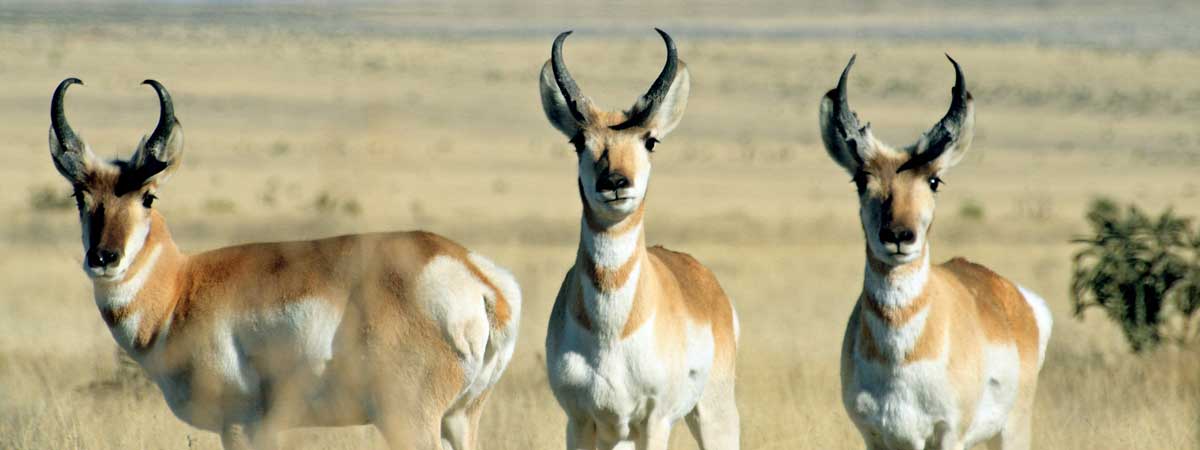
If we care about elk, mule deer, and pronghorn populations, we have to focus the conversation and public attention on the real drivers of wildlife decline, rather than the politically convenient scapegoats. Habitat has to be part of the conversation every time. Whenever you hear wildlife described in terms of their “usefulness’, pause and consider what values shape that framing, who benefits from keeping that definition narrow, and what is excluded.
Be a Voice For Wildlife, Habitat, and Public Lands
• Contact your members of Congress and tell them public lands should be managed for wildlife, recreation, and future generations—not treated as sacrifice zones.
• Support organizations defending migration corridors and challenging harmful BLM leasing decisions.
• Pay attention to wildlife commission meetings and public land planning processes before decisions are finalized.
• Help shift the conversation from scapegoating predators to protecting habitat.
Peggy Clark is a Geospatial Science & Biology student at Radford University in Radford, Virginia and volunteer writer for Wildlife for All. Peggy is a dedicated wildlife advocate who uses her talents to connect threads and investigate topics geared towards bringing justice to state wildlife governance.