
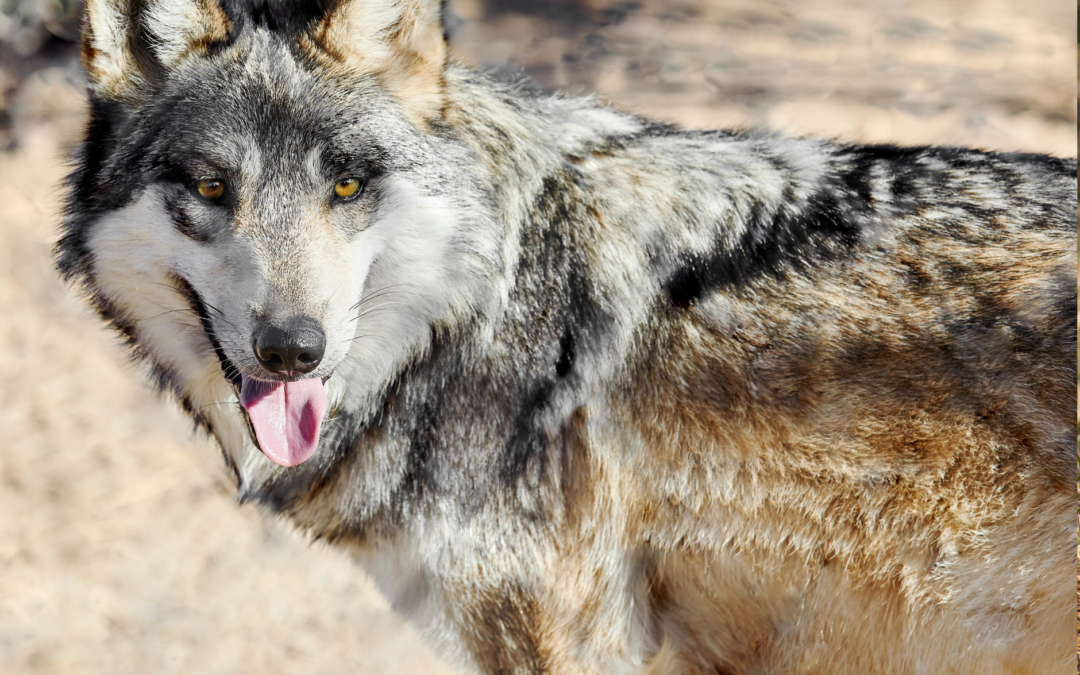
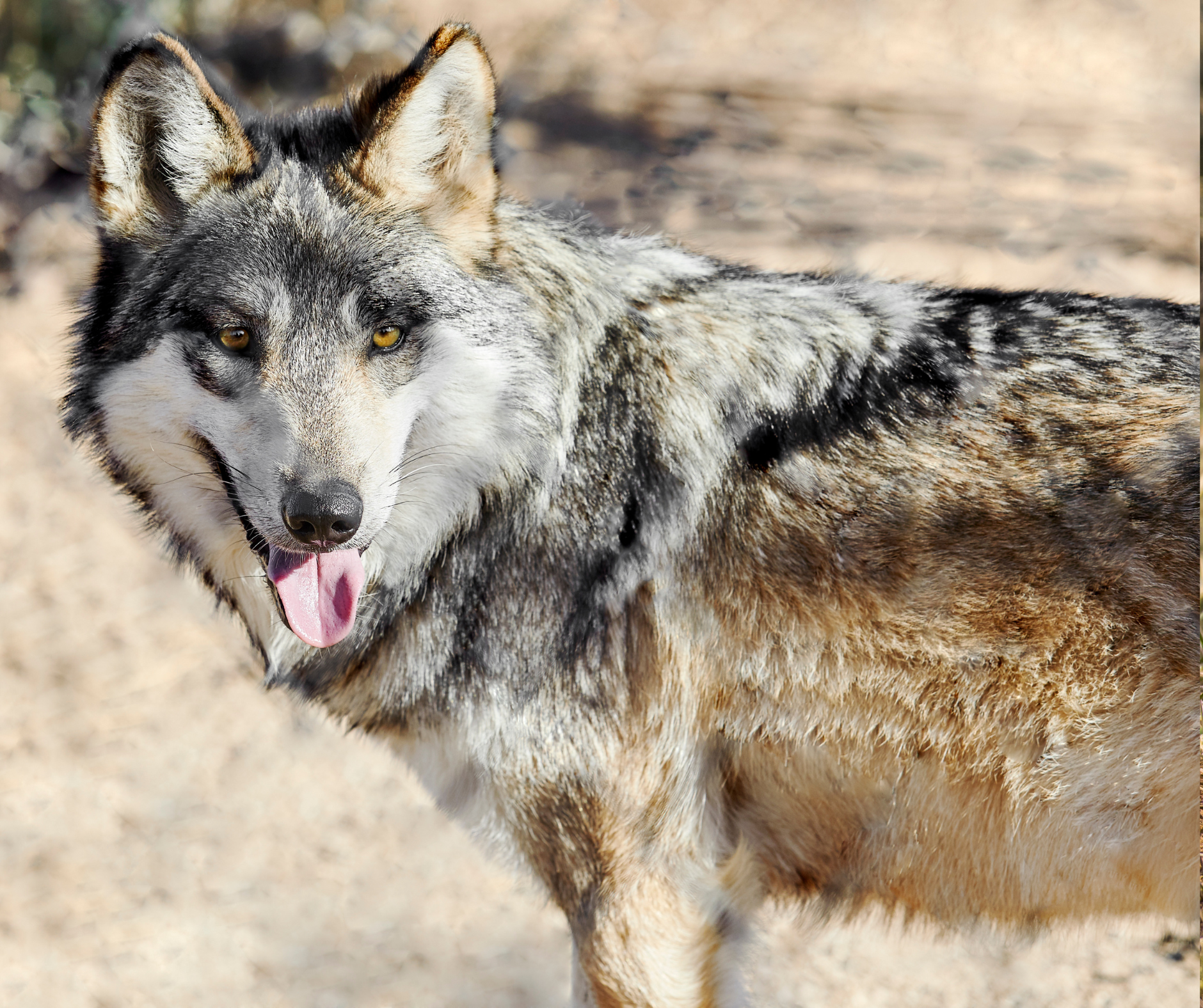
Lobo Week 2026 (March 22-29) raises awareness and advocacy for the endangered Mexican gray wolf, also known as the lobo. The week commemorates the release of 11 captive-raised lobos into the wild on March 29, 1998. Lobos avoided extinction by the narrowest of margins – their wild existence alone is remarkable.
This year, the U.S. Mexican gray wolf population grew from 286 to 319 wolves across Arizona and New Mexico. That’s good news – but lobos still face ongoing conservation challenges. Factors like low genetic diversity, illegal killing, political interference, and arbitrary boundaries continue to limit recovery.
The Making of an Endangered Species: A Historical Perspective
Dominant narratives of the North American Model champion sportsmen and the funding model they created as the world’s most successful conservation system and the 20th century’s greatest environmental achievement. According to this line of thinking, sport hunters were the first to sound the alarm about declining wildlife populations, saved wildlife from extinction, and continue to contribute more to conservation than anyone else. However, this is an incomplete and oversimplified framing of history. While recreational hunters and the game laws they championed were pivotal in preventing extinctions of ungulates like bison, pronghorn, and bighorn sheep, their focus was on game species, not ecological systems.
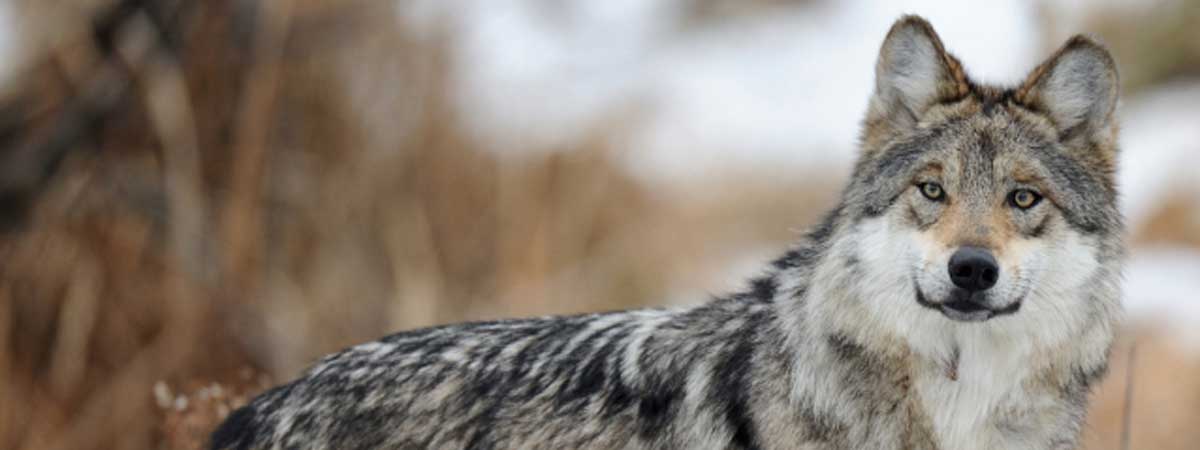
Written before the 1998 reintroduction, David E. Brown’s The Wolf In the Southwest: The Making of an Endangered Species is an indictment of a North American conservation failure: the refusal to value or protect Mexican gray wolves until the species was on the brink of extinction. Brown’s account details the history of the lobo’s deliberate extirpation from the Southwest up until the start of the captive breeding program.
In the early 20th century, as hunters began organizing for game laws and refuges, J. Stokely Ligon and Aldo Leopold ardently called for sportsmen to support the Bureau of Biological Survey’s federal predator extermination program. In the July 1919 official bulletin of the New Mexico Game Protective Association, Leopold insisted that hunters support the complete annihilation of every last mountain lion and wolf:
While Ligon never changed his views on wolves, Leopold famously did. His essay “Thinking Like a Mountain” highlighted the destructive impacts of eliminating predators and how wrong the prevailing view that “no wolves would mean hunter’s paradise” really was. As he eloquently stated, “only the mountain has lived long enough to listen objectively to the howl of a wolf.”

Quote from “Thinking Like a Mountain” | Image credit: National Wolfwatcher Coalition
While Leopold’s later writings became highly influential during the 1970s environmental movement, A Sand County Almanac (which includes “Thinking Like a Mountain”) received little attention when published in 1949. The value of native predators to ecosystems was considered a radical and unpopular idea at the time. As The Wolf In the Southwest emphasized,
“Sportsmen and their associations, state game and fish departments, the U.S. Forest Service, and the U.S. Biological Survey all abetted [predator eradication]; almost none among them resisted it. Nor were naturalists and protectionists a factor in hindering the wolf’s demise. No voice was raised for a rational and effective program to maintain a small but representative wolf population while one still existed….Unlike the bear, which had sportsmen allies (even the grizzly received some protection, although too little too late), wolves and lions held the animosity of ranchers and sportsmen.”
On behalf of the livestock industry, a 20th-century federal predator eradication campaign wiped out lobos across the U.S. – and then continued to kill any wolf that dispersed northward into Arizona or New Mexico. In 1942, a mated wolf pair discovered a den and raised pups on the western slope of Fort Huachuca, a military base in southern Arizona, where there were abundant white-tailed deer but no cattle nearby. The federal program insisted on killing these wolves anyway – perhaps the last lobos born in the Southwest U.S. before the captive recovery program – citing the “dangers” of allowing any wolves to re-establish and “get out of hand”.
By 1970, intense persecution eliminated lobos from most of their former range, but wolf bounties and federal predator-killing efforts remained in place. Even after the ESA listed the Mexican gray wolf as endangered, a trapper killed a lone wolf in Arizona’s Aravaipa Canyon in 1976 for a stockman’s $500 bounty. This wolf was likely the last one in Arizona before the 1998 reintroduction.
In 1977, the USFWS commissioned Roy McBride to estimate and document any remaining Mexican gray wolf populations. McBride found only a few scattered holdouts in remote, mountainous regions in Durango and Chihuahua. Because the terrain was largely inaccessible by vehicle and wolves were constantly on the move in these areas, a few individuals managed to survive. Upon this discovery, a captive breeding program began. Seven lobos captured in their last remaining stronghold became the founders of today’s wild population.

Cindy, a female wolf at the ABQ BioPark, was sent to Sevilleta National Wildlife Refuge for pre-release into the wild in 2021. Photo: ABQ BioPark.
Low Genetic Diversity and Poaching Undermine Recovery
Due to this population bottleneck, low genetic diversity poses one of the most immediate threats to lobos today. Over the last four years, though the wild Mexican gray wolf population increased, genetic diversity has decreased. Overall, captive wolves in the recovery program are 37% more genetically diverse than wild wolves. Cross-fostering efforts that place captive-born pups in wild wolf dens have seen only limited success. Releasing full family groups into the wild is the most effective way to increase the genetic diversity of a still-recovering population.
The USFWS has also continued to permit killing or removing genetically valuable wild wolves on behalf of the livestock industry. In some cases, targeted kill orders mistakenly kill the “wrong” wolf. The program also captures and relocates wolves that travel north of Interstate 40 or naturally disperse south from Colorado. These actions cost money and resources and undermine Mexican gray wolf conservation efforts.
Illegal killing also threatens wolf recovery. While state wildlife agencies take poaching incidents seriously (particularly of game species like elk, deer, and bighorn sheep), wildlife crime remains a major nationwide problem. For Mexican gray wolves in particular, federal agencies and biologists may be underestimating the scope of poaching mortality.
Mexican gray wolves are federally endangered and a state-listed Species of Greatest Conservation Need in Arizona and New Mexico. Many collared lobos, including sisters F836 and F838, are found illegally shot or simply disappear. Between 2017 and 2022, 61 lobos died from suspected poaching, but just two people were federally prosecuted, and three paid a fine.
Why Coyotes Also Matter
One contributing factor is a lack of protection or respect for coyotes, which resemble Mexican gray wolves. Both Arizona and New Mexico classify coyotes as predators and permit unlimited year-round coyote hunting, including within the Mexican wolf recovery zone. Few regulations govern hunting this smaller canid, except for 2019 statewide bans on coyote-killing contests. Additionally, the neighboring state of Utah still incentivizes killing coyotes through an agency-run bounty program. This similarity of appearance provides a dangerous loophole for illegal killing.
Conservation groups have attempted to address this issue in the past by requesting protections for coyotes in the recovery area. Coyotes and Mexican gray wolves both play critical roles in Southwest ecosystems. Both have faced intense persecution, and both are intrinsically valuable. While the USFWS claims that protecting coyotes would be an increased burden on law enforcement, and the two species’ resemblance doesn’t warrant “similarity of appearance” protections, several wolf mortalities stem from hunters apparently mistaking them for coyotes. While hunter education efforts are important, they don’t entirely solve the problem.
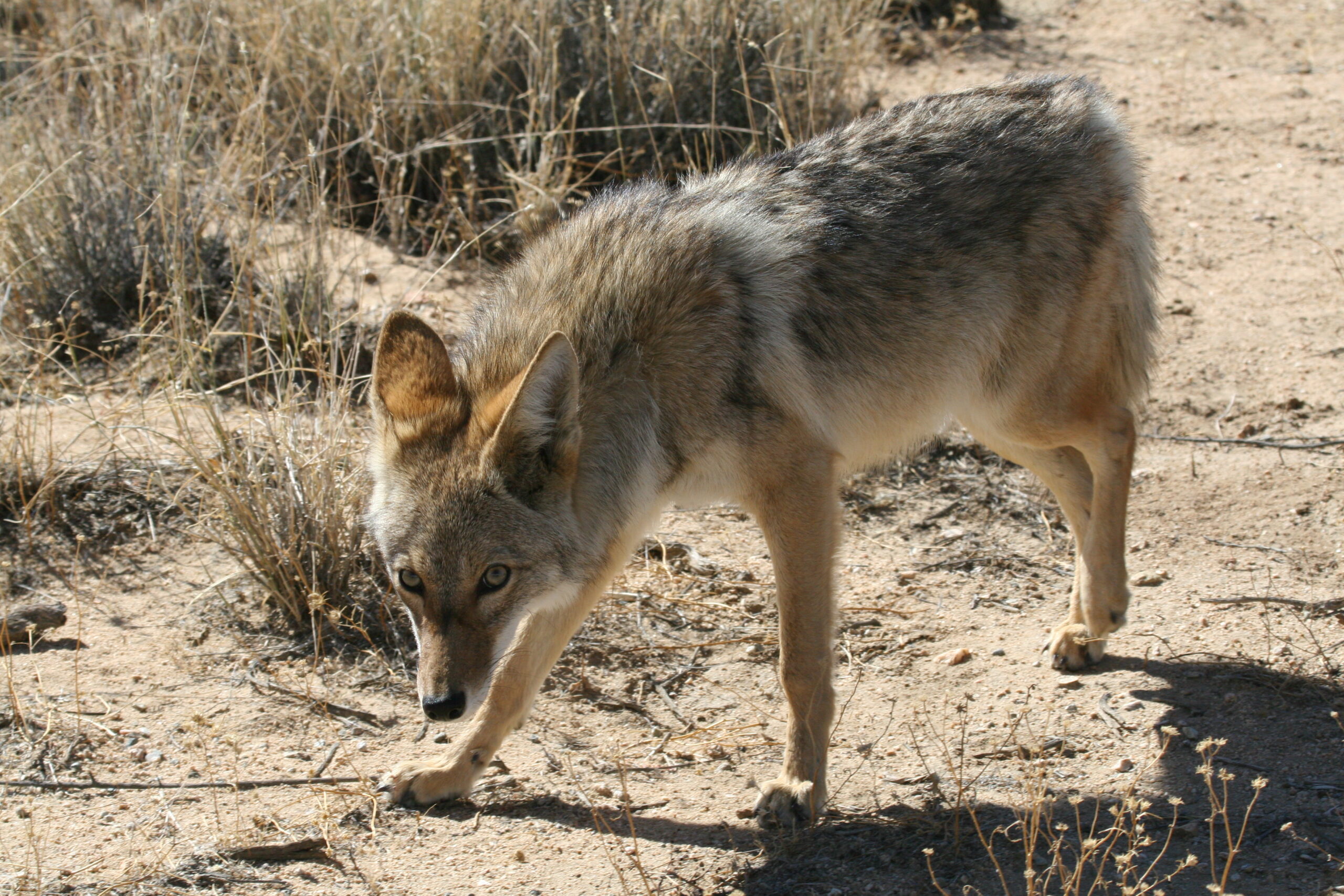
A coyote in the Southwestern U.S.
“Native wild canids, whether they are Mexican gray wolves or coyotes, are essential to ecosystems and neither need lethal management. Protecting both species makes pragmatic ecological and ethical sense.” – Michelle Lute, Wildlife For All Executive Director
The idea of protecting coyotes to reduce wolf poaching already has precedent. In 2004, Ontario created a buffer around Algonquin Provincial Park (the primary range of threatened Algonquin wolves) where both wolf and coyote hunting/trapping is prohibited. Outside this protected zone, Algonquin wolves, including individuals attempting to disperse outside the park, have low survival rates due to vehicle strikes and hunting. Prohibitions on hunting and trapping rare Algonquin wolves are ineffective unless these regulations also include the same protections for coyotes and wolf-coyote hybrids.
The Importance of Systemic Reform
State wildlife agencies play an important role in the recovery of threatened and endangered wildlife. Historically, though, Mexican gray wolves have declined when states led the recovery programs. Between 2003 and 2009, the wild population dropped from 55 to 42 under AZGFD until the USFWS resumed control. Agencies have also taken actions that actively undermined their conservation. In 2015 and 2016, state wildlife commissions in New Mexico and Arizona opposed and blocked the release of adult wolves into the wild. This limits new wolf releases to the cross-fostering method, which has had far lower success rates.
In the 2017 draft recovery plan, state agencies endorsed a hard population cap (200-300 wolves, later 325 wolves) in Arizona and New Mexico. However, the best available science indicates a stable long-term population requires at least 750 wolves spread across three distinct core populations of at least 200 wolves. The AZGFD also called for killing more endangered lobos due to predation on elk and unspecified “conflicts with human activities”. (Arizona’s elk herds are robust and remain stable around 35,000-45,000 animals. In contrast, the Mexican Wolf Interagency Field Team documented just 63 wolves in Arizona and 114 overall in 2017.)
Mexican gray wolves represent just one example of why bipartisan systemic reforms like New Mexico’s matter. Earlier this year, Senate Bill 104 strengthened the integrity and independence of New Mexico’s state wildlife commission. This legislation builds on previous reforms that, among other changes, establish a nonpartisan commission emphasizing scientific expertise and including tribal and conservation perspectives alongside ranching and hunting interests. Ensuring that decision-making is science-based and represents the public is pivotal for the future of lobos and all wildlife. In 2025, New Mexico modernized its mission to emphasize biodiversity protection for all wildlife, not just game species. The state also secured $10.5 million in funding for Species of Greatest Conservation Need (a large group that includes lobos). These systemic changes may be critical safeguards for New Mexico’s lobos if they lose federal protection in the future.
Overall, Americans strongly support endangered species recovery and continued ESA protections for gray wolves. The ongoing political and bureaucratic obstacles this endangered wolf faces represent a systemic failure of wildlife management agencies to value and protect native carnivores. To stymie the recovery of an endangered species is a betrayal of public trust.
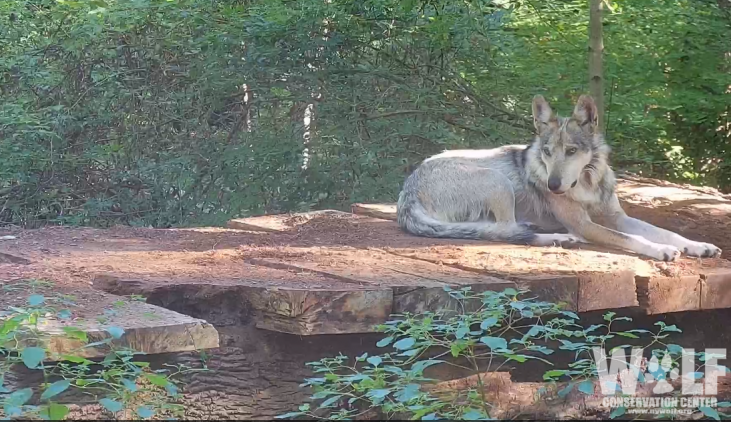
Webcam capture of Mexican gray wolf Ripley (M1925) at the Wolf Conservation Center
Lobo Week 2026
This year’s Lobo Week commemorates the 28th anniversary of the Mexican gray wolf’s return to the wild. This week is more than a celebration – it’s a call to action. Lobos need continued advocacy to secure their future. That means advocating for real recovery efforts for Mexican gray wolves, including releasing bonded pairs, allowing wolves to roam beyond I-40, holding poachers and Wildlife Services accountable, and protecting the Endangered Species Act.
For more ways to take action, be sure to follow Lobos of the Southwest and use their action toolkits to add your voice to current campaigns.
This article was contributed by Peggy Clark, a Geospatial Science/Ecology student at Radford University in Radford, Virginia. She appreciates her community and the wildlife who share it, and has sighted a coyote passing through her neighborhood.