

What it takes to protect wildlife right now
June 2026 Newsletter
As federal attacks on wildlife protections and public lands continue to accelerate, it can be easy to feel like conservation is defined by what we’re fighting against.
But this month reminded me that it is equally important to remember what we’re fighting for.
Across the country, Wildlife for All supporters have been showing up again and again for wildlife—submitting comments, making calls, attending meetings, and pushing back against policies that threaten our shared natural heritage. Whether defending wolves, protecting public lands, advocating for climate-resilient ecosystems, or advancing more democratic wildlife governance, our community continues to demonstrate that people care deeply about the future of wildlife and are willing to take action on its behalf.
That sense of purpose was reinforced during a recent visit to Cuenca los Ojos, a remarkable landscape in northern Mexico. There, I had the opportunity to see firsthand what becomes possible when people proactively commit to a long-term vision for wildlife and ecosystems. The reserve has restored bison, supports thriving populations of biodiversity from pumas to Gila monsters, and during our visit, we were graced by a mama black bear and her two cubs along a flowing and vibrant Cajón Bonito, one of the most important freshwater streams in North America.
Experiences like that provide a powerful reminder that conservation is about more than preventing loss. It is about creating the conditions for wildlife to thrive. The work highlighted throughout this newsletter—from responding to immediate policy threats to advocating for reforms that put science, stewardship, and public values at the center of wildlife management—is ultimately about building that future.
At Wildlife for All, we often talk about re-centering wildlife governance around the interests of wildlife and the broader public. Places like Cuenca los Ojos show what can happen when that commitment is sustained over time: ecosystems recover, wildlife returns, and people become partners in a larger story of restoration and coexistence.
Thank you for being part of that story. Your advocacy, support, and persistence make this work possible, and together we are helping create a future where the possible becomes more probable and wildlife thrives.
What We’ve Been Up To
Arctic NWR Lease Sale WIN
We joined a broad coalition opposing new oil and gas leasing in the Arctic National Wildlife Refuge, one of the country’s last intact wildlife landscapes. The lease sale targeted the coastal plain wildlife habitat critical to caribou, migratory birds, and polar bears, despite widespread outcry from conservation organizations, Indigenous leaders, and the public.
In the lead-up to the lease sale, we helped mobilize public pressure on oil companies and decision-makers through coordinated outreach, including encouraging supporters to engage directly online and participate in a June 3 day of action as bids were due.
And it worked! Major oil companies largely stayed out of the Arctic lease sale, with only an Alaska-based organization bidding. This signals growing economic and reputational risk around drilling in the Arctic, and shows that sustained public pressure can influence whether companies participate at all.
Protecting Wildlife Through Public Participation
This month, Wildlife for All mobilized advocates across the country to speak up for wildlife during multiple federal and state decision-making processes. Supporters submitted comments asking the commission to ensure protections for Colorado’s furbearers and to conduct rulemaking to end the commercial sale of fur in the state, weighed in on the U.S. Fish and Wildlife Service’s review of Colorado’s wolf reintroduction program, and amplified calls for public input on Wyoming’s proposed wolf management plan.
We also drove comments opposing the Trump administration’s proposed weakening of the vessel speed rule, a critical measure that helps reduce collisions with endangered North Atlantic right whales and other marine wildlife.
These opportunities may seem technical, but they shape how wildlife is managed for years to come. Every comment helps ensure agencies hear from the broader public, not just the narrow interests that have historically dominated wildlife policy. Together, we’re demonstrating that wildlife belongs to everyone, and the public deserves a meaningful voice in decisions that affect species, ecosystems, and biodiversity.
Standing Up to Attacks on Wildlife Protections
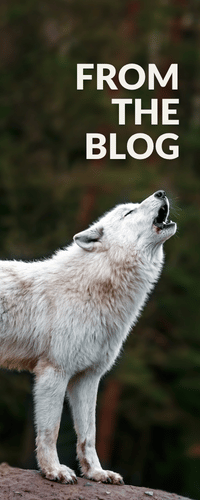
We continued pushing back against efforts to weaken wildlife protections at both the state and federal levels. We mobilized supporters to contact Congress and oppose attempts to delist gray wolves through the federal appropriations process.
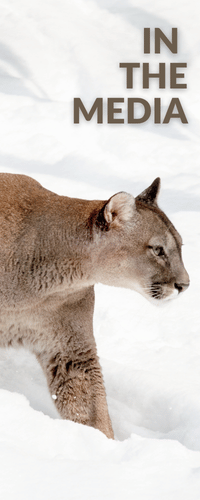
We also highlighted a growing trend in wildlife politics: the manufacture of “emergencies” around carnivores. In California, the Lassen County sheriff sought to elevate concerns about mountain lions into a public emergency despite limited evidence of a broader threat. Similar tactics have been used repeatedly in debates over wolves across Western states to generate political pressure for increased killing and weakened protections. These narratives often bypass meaningful public discussion and distract from the real question: whether wildlife decisions are transparent, accountable, informed by current science, and reflective of the broader public’s values. By exposing these patterns, we’re helping advocates recognize how wildlife policy is shaped long before formal decisions are made.
Elevating Wildlife Beyond the Usual Headlines
Conservation is about far more than a handful of high-profile species. In May, we celebrated American Wetlands Month and World Migratory Bird Day, spotlighting the countless birds, amphibians, fish, reptiles, pollinators, and other often-overlooked species that depend on healthy ecosystems to survive.
We are also working with advocates around the country on State Wildlife Action Plans (SWAPs) as they move into budgeting and implementation. SWAPs are once-a-decade roadmaps that help determine conservation priorities and funding for thousands of species in need of proactive protection. These plans receive little public attention, yet they influence conservation decisions—and funding—for years to come.
What's Coming Up
June Wildlife Commission Meetings
Wildlife policy doesn’t just happen in legislatures, it happens every month in commission meeting rooms across the country. These meetings often fly under the radar, yet they shape how wildlife is managed for months and years to come.
Whether you’re ready to testify, submit a comment, or simply listen in, showing up matters. Public participation helps ensure wildlife decisions reflect ecological realities and public values, not just the interests of the most organized stakeholders. Find your state’s meeting today!
Mike Lee Takes Aim at the Roadless Rule
Senator Mike Lee is once again targeting public lands, this time proposing an amendment to a wildfire bill that would eliminate the Roadless Rule, one of the most important protections for undeveloped national forest lands in the United States. The rule safeguards nearly 45 million acres from road-building, development, and intensive extraction, protecting wildlife habitat, migration corridors, clean water sources, and some of the country’s last remaining intact forest ecosystems.
Weakening these protections would open the door to increased fragmentation and industrial development across landscapes that wildlife depend upon. Call your Senator ASAP through the federal switchboard to tell them to stop this attack: (202) 224-3121.
Colorado Lease Sale Threatens Critical Elk Habitat
For years, wolves have been erroneously blamed for declining elk populations across the West. But while predators are scapegoated, the federal government is moving forward with one of the largest oil and gas lease sales in modern Colorado history, offering 156,000 acres of public land that includes migration corridors, winter range, and habitat relied upon by one of North America’s largest elk herds as well as by mule deer, pronghorn, sage grouse, swift fox, and other species. Habitat loss and fragmentation remain among the greatest threats facing wildlife.Yet these actions rarely receive the same level of public attention or urgency that is directed at wolves and other carnivores.
If we care about healthy elk populations, we have to focus the conversation and public attention on the real drivers of wildlife decline, rather than the politically convenient scapegoats.
California’s Wolf Recovery Program Faces Budget Cuts
California’s wolf recovery efforts could face a major setback as Governor Gavin Newsom’s proposed budget eliminates funding for the state’s Wolf-Livestock Compensation Program and sharply reduces support for conflict-prevention efforts. As wolves continue returning to California, coexistence programs help reduce conflicts before they occur, support rural communities, and strengthen long-term recovery efforts. The state budget must be finalized by July 1. Email Governor Newsom’s office and tell him to fully fund coexistence.
Don’t Sign 302, Colorado’s Deceptive Wildlife Ballot Initiative
A new “Right-to-Hunt” ballot measure pushed by trophy hunting advocacy group International Order of T. Roosevelt is designed to forever control wildlife policy in Colorado. This misleading measure will limit your right to shape wildlife policy in two ways.
First, it would prevent Coloradans from using citizen ballot initiatives to change wildlife policy by giving that decision-making authority exclusively to the legislature and wildlife commission.
Second, it would limit what those bodies are allowed to do, restricting wildlife decisions to only those deemed necessary for “sound scientific wildlife conservation and management,” public safety, or preserving hunting and fishing opportunities. While some of that may sound reasonable, wildlife policy involves more than science. Decisions related to carnivores, trapping, coexistence, and animal wellbeing require weighing public values and ethics alongside scientific information. This measure could make it much harder for those broader considerations to shape wildlife policy in the future.
Additionally, those terms are not clearly defined. Who decides what qualifies as “sound science”? The measure provides no answers on how these things are defined nor who would arbitrate them, creating significant legal uncertainty and inviting litigation over future wildlife decisions. In practice, this ballot initiative would narrow both the public and elected officials’ ability to shape wildlife policy going forward.
The good news is it’s not on the ballot yet and they’re still collecting signatures (often in grocery store parking lots!). If you live in Colorado 1) don’t sign, and 2) make sure you tell everyone you know not to sign as well. Spread the word!
Stop the Next Wave of “Right to Hunt” Measures
Over the last several years, Wildlife for All has tracked and fought a growing wave of so-called “Right to Hunt” and “Right to Harvest” measures designed to lock hunting, trapping, and fishing into state law and constitutions. These proposals are often framed as harmless protections of tradition. In reality, they can make it significantly harder to enact wildlife protections and constrain future conservation efforts for decades to come.
Now the threat is escalating. In Colorado, proponents are working to place a “Right to Hunt” constitutional amendment on the ballot. Legal experts warn the measure could have far-reaching implications for wildlife policy and potentially undermine conservation gains that advocates have fought for over many years.
To help us meet this urgent moment, a very generous supporter has offered a $20,000 matching challenge. Every dollar donated will be matched, helping us track emerging threats, support state-based advocates, educate the public, and push back against efforts to place special interests above wildlife and the public good. If you’ve ever wondered whether early action matters, we’ve seen firsthand that it does. Together, we can ensure these proposals do not advance unchallenged.
Make your matched gift today.
Past Newsletter Entries
March 2026 Newsletter
The system behind wildlife cruelty
February 2026 Newsletter
Winter in America, Again
January 2026 Newsletter
The Next Round Starts Now: Wildlife and Democracy in 2026