When Wildlife Laws Are Optional for Some, the System Is the Problem
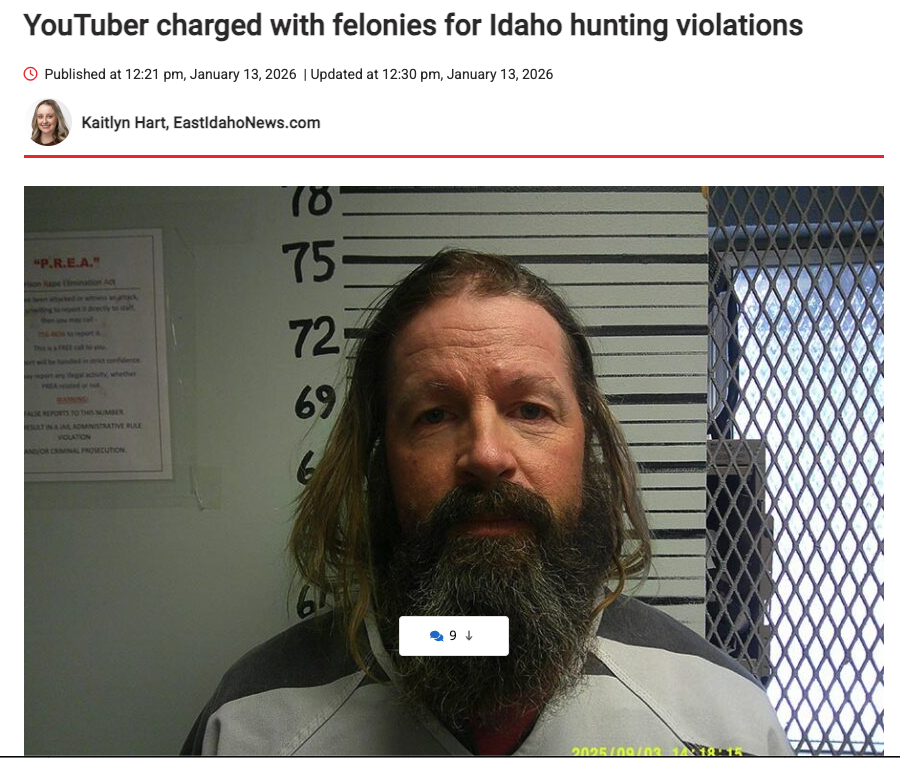
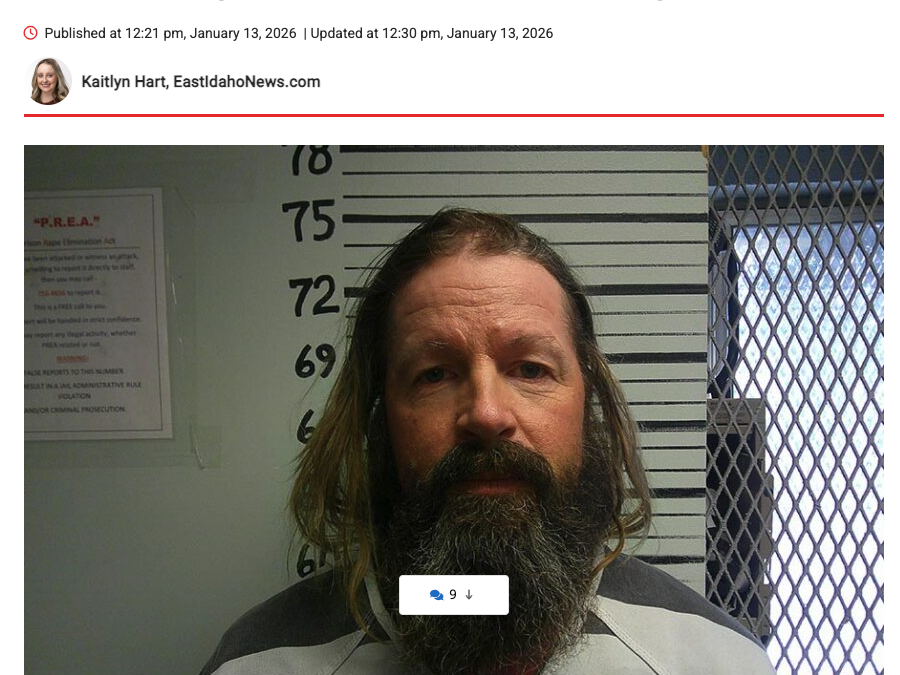
Image courtesy of the East Idaho News
The recent charges against hunting influencer Ryan Lampers raise important questions about how wildlife violations are handled, and who is held accountable.
Lampers is facing felony charges in Idaho for alleged poaching-related crimes, including killing animals out of season, falsifying records, and lying about where a wolf was killed in order to receive a higher payout. But what’s equally troubling is what came before those charges.
In 2024, Lampers was cited in Montana for failing to submit a black bear hide and skull for inspection within the required timeframe, an important step states rely on to monitor populations and quotas. The penalty? A $155 fine. No loss of hunting privileges. No meaningful consequence.
This post isn’t about demonizing hunting or disrespecting the many people who follow the rules, respect wildlife, and are just trying to put a deer in the freezer to feed their families. Ethical hunters are not the problem. In fact, they are often the first to be harmed when bad actors erode public trust and undermine conservation systems.
The issue is inconsistency, leniency, and power.
Across states, penalties for similar wildlife violations vary wildly. In some places, failing to report a bear is treated like a traffic ticket. In others, it can result in serious fines, confiscation, or loss of hunting privileges. That uneven enforcement sends a dangerous message: that wildlife laws are flexible, optional, or negotiable, especially for people with platforms, sponsors, or status.
And that brings us to the hunting influencer question.
Someone who profits from hunting content, sponsorships, and public credibility should be held to a higher standard. Hunting influencers shape beliefs, normalize behavior, and influence what tens of thousands of people think is acceptable. When someone with that reach repeatedly violates the rules—and those early violations are brushed off—it raises a hard question:
How many others are out there doing the same thing, quietly, without scrutiny? If someone is willing to lie about wolves and carnivores to manipulate their audience, what else are they willing to lie about? Bag limits? Seasons? Ethics? The law itself?
Wildlife belongs to all of us. When enforcement is weak, inconsistent, or deferential to power, wild animals, public trust, and the integrity of the system itself are all lost.
So that leads to the bigger question: What should a fair, effective wildlife accountability system look like?
- Should repeat violations trigger escalating consequences?
- Should influencers and commercial hunters face stricter standards?
- How do we protect ethical hunters while holding bad actors accountable?
- What actually deters poaching—and what clearly doesn’t?
This isn’t about punishment for punishment’s sake. It’s about building a system that treats wildlife as the public trust they are, and applies the rules consistently, transparently, and in service of ecological health.