
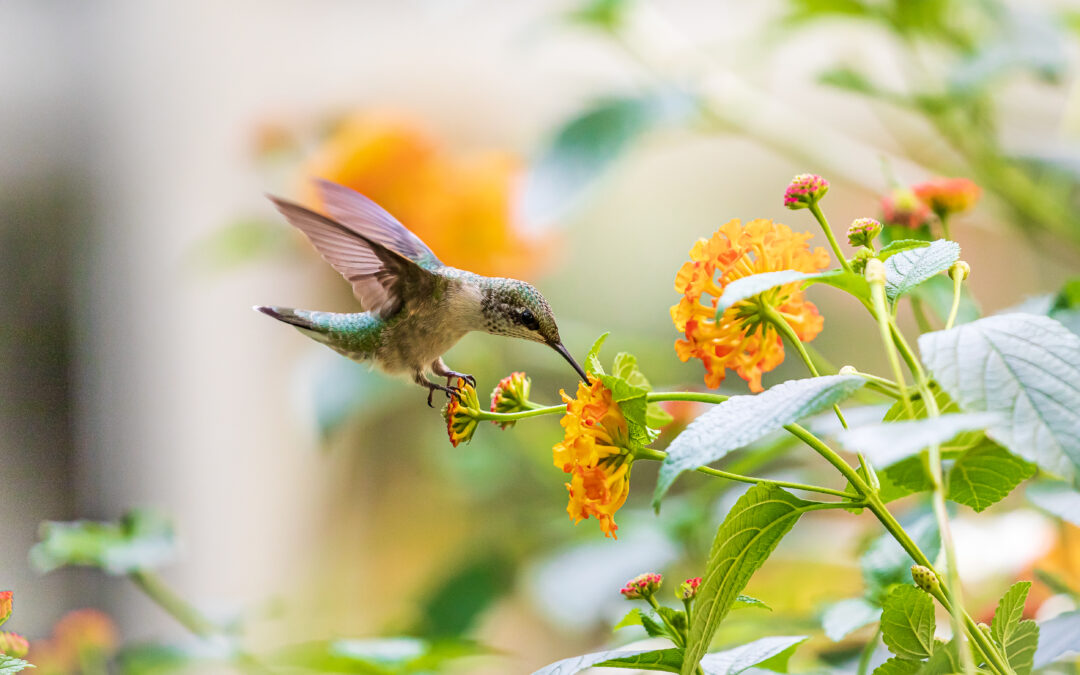
Wildlife for All statement on federal “open unless closed” policy as SGCN analysis shows wildlife decline.

For Immediate Release: January 15, 2026
Federal “Open Unless Closed” Policy Expands Pressure on Public Lands as States Document Worsening Wildlife Decline
New SCGN Analysis Shows Growing Mismatch Between Federal Policy and Ecological Reality
Albuquerque, N.M.—In response to an announcement Monday from Department of Interior (DOI) Secretary Doug Burgum reframing public lands and waters as “open unless closed” to expanded hunting access, Wildlife for All warns that the policy represents a significant shift in wildlife governance at a moment of accelerating biodiversity decline.
The announced-on-X “open unless closed” framework from Burgum reverses decades of conservation practice by treating wildlife protection and refuge purpose as exceptions rather than the baseline. This approach increases ecological risk because it treats access as the default and conservation as an exception—shifting the burden of proof onto underfunded managers and eroding precaution in already-stressed systems.
In practice, such policies lead to more pressure on wildlife because no habitat provides safety and closures require time, funding, political capital, and litigation risk—resources most agencies do not have. It weakens land managers’ adaptive management capacity and site-level discretion, casts stewardship as obstruction and insulates deregulatory decisions from science-informed scrutiny.
This shift comes as states themselves are documenting unprecedented conservation needs. A new Wildlife for All analysis of 2025 State Wildlife Action Plans shows that most states are identifying significantly more Species of Greatest Conservation Need (SGCN) than they did a decade ago, evidence that current conservation systems are failing to meet the rising challenges of biodiversity loss, climate stress and chronic underfunding.
In response, Michelle Lute, PhD, executive director at Wildlife for All issued the following statement:
“This is not a neutral access update but instead is a dangerous mismatch between political pandering and the biodiversity crisis unfolding on the ground. At the exact moment states are documenting record increases in species at risk, federal leaders are choosing to expand pressure on already-stressed wildlife and ecosystems.
“Wildlife refuges and public lands exist to conserve wildlife first. An ‘open unless closed’ approach flips that purpose on its head. Access decisions that ignore ecological realities risk accelerating species and ecosystem decline rather than preventing it.
“This decision is a governance failure and exposes Burgum’s Interior Department as the sham it is under this administration. Expanding access without safeguards shifts responsibility onto underfunded managers and pushes more species closer to crisis. Further, added extractive recreational pressure while deprioritizing precaution, including safeguards around lead ammunition, places additional strain on agencies already struggling to manage the twin crises of biodiversity loss and climate change with limited resources.”
Wildlife for All urges federal leaders to align public lands policy with the ecological realities states are documenting and calls on state leaders to support federal refuge and park managers in responding to federal policy gaps. U.S. wildlife policy at every level must recommit to science-informed, ethical wildlife governance that protects biodiversity and acknowledges the challenges of modern wildlife conservation.
###
About Wildlife for All
Wildlife for All is a national organization dedicated to reforming wildlife management to be more democratic, just, compassionate and focused on protecting wild species and ecosystems. Through research, advocacy, and education, we aim to protect wildlife and ensure that policies reflect the values of all Americans.