

Wildlife decisions aren’t inevitable
October 2026 Newsletter
Dear Friend,
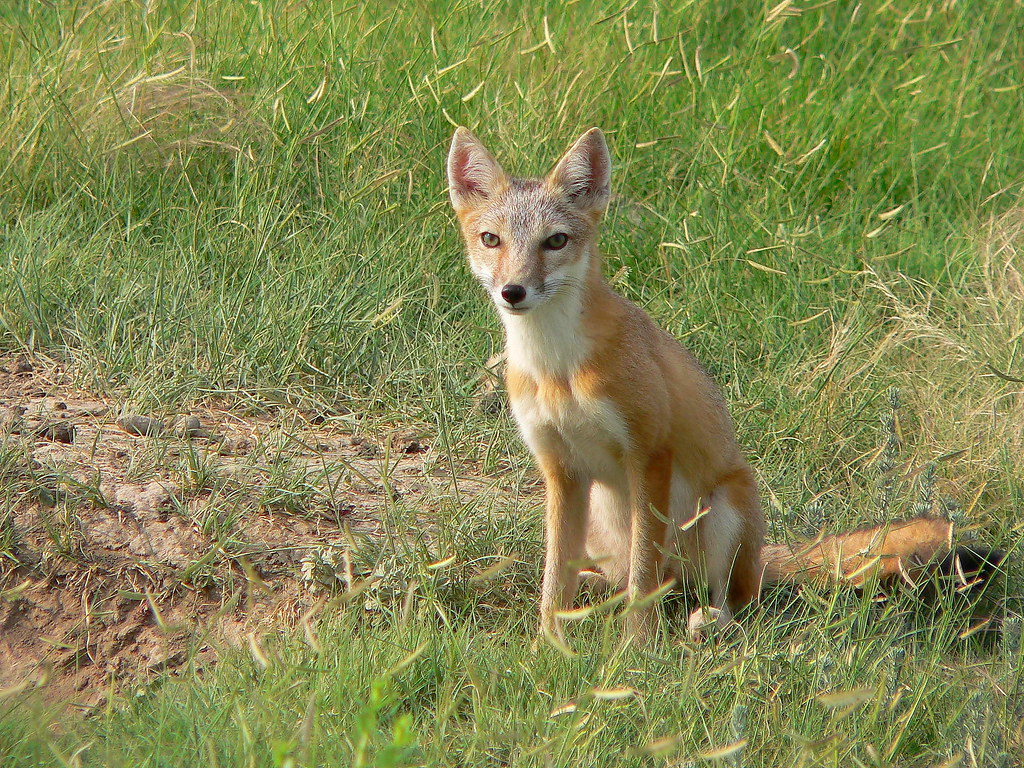
“Swear allegiance to what is nighest your thoughts. As soon as the general and the politicos can predict the motions of your mind, lose it. Leave it as a sign to mark the false trail, the way you didn’t go. Be like the fox who makes more tracks than necessary, some in the wrong direction. Practice resurrection.”
- Wendell Berry
Berry, the Kentucky farmer, poet, and essayist who recently passed away, devoted his life to exploring our responsibilities to the land and to one another. I’ve been thinking about what he asks of us when so much of our public life seems organized around accepting loss. Another habitat diminished. Another animal killed who could have lived. Another decision made as though the people asking for something better simply don’t understand how the world works.
There is a particular kind of power in persuading people that what exists is all that is possible. In wildlife policy, we encounter it whenever familiar practices pass for unquestionable truths: that killing is the answer to conflict, that caring about individual animals undermines science, that the people who have traditionally made the decisions should always get to make them.
We can refuse to accept those premises. As Berry also explained, in reference to the work of Georges Bernanos, “that the state actually is the weakest point of this machine civilization. And your only real power against it is to withhold belief from it. Every time you refuse to believe in it, it’s weaker.” We can choose not to believe in the liars running this country and instead, do the patient, practical work of making other choices possible.
Recently, I gave a talk about human-bear coexistence at a local farmers market. We talked about the bears sharing our communities, why encounters are increasing, and what we can do to get along with all our neighbors. That conversation buoyed me above all the potential conflict. Something as ordinary as securing garbage can become a shared commitment to keeping bears alive.
I brought that experience into a recent Life of Riley webinar about extending a humane ethic to all animals. Many of us know a companion animal whose individuality is impossible to miss: their preferences, relationships, peculiar little habits. They have agency and participate in our lives. Why should that recognition stop with them?
A bear doesn’t need to know human rules and boundaries for us to accommodate her. Taking animals seriously means trying to understand their lives on their terms—and recognizing how much power we hold over those lives.
I don’t think the fundamental problem is simply that people don’t care enough. My neighbors care. So do the people who show up for wildlife across the country. The question is: Why doesn’t all of that caring produce more compassionate systems for all?
Part of the answer lies in institutions that divide animals into categories and assign different obligations to each. When an animal becomes only a “resource” or a “management problem,” their individual life can disappear from the decision. The care we practice in our communities needs a meaningful place in those decisions, too.
That is why compassion (and truth) must speak to power: who makes decisions, whose interests count, and how we account for animals who bear the consequences but cannot speak in a commission meeting or cast a vote.
At Wildlife for All, we work to make those institutions more democratic, compassionate, and accountable. For me, that is one way to practice resurrection: to carry our care for living beings, even and especially those we’ve lost, into the structures that determine whether they and their descendants can flourish.
For the wild,
Michelle Lute
Executive Director | Wildlife for All
What We’ve Been Up To
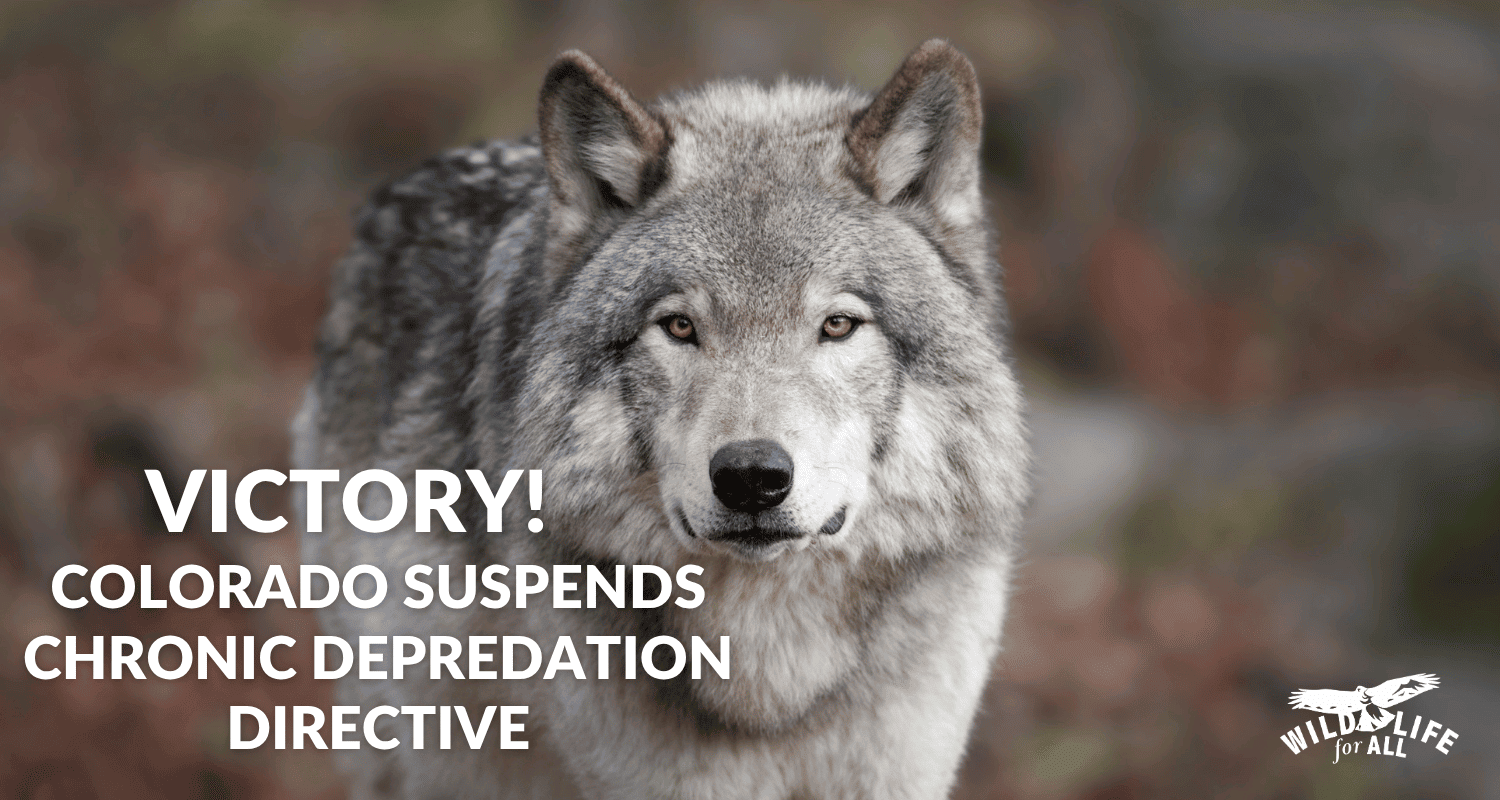
5,200 voices helped protect Colorado’s wolves
When Colorado Parks and Wildlife announced plans to consider killing more wolves under its chronic depredation directive, we asked you to speak up.
And you did.
Nearly 5,200 messages went to CPW and the Colorado Parks and Wildlife Commission urging them to stop killing wolves and reconsider their approach, which is not only threatening individual wolves but also the fledgling population.
On Sept. 30, CPW announced that it was temporarily suspending its chronic depredation directive. The agency says any future removals will be considered case by case, using a “very conservative” approach while it evaluates wolf survival and population growth.
That doesn’t mean the fight is over. But it is an important reminder that public pressure matters, and that agency decisions are not inevitable.
Montana showed us why systemic change matters
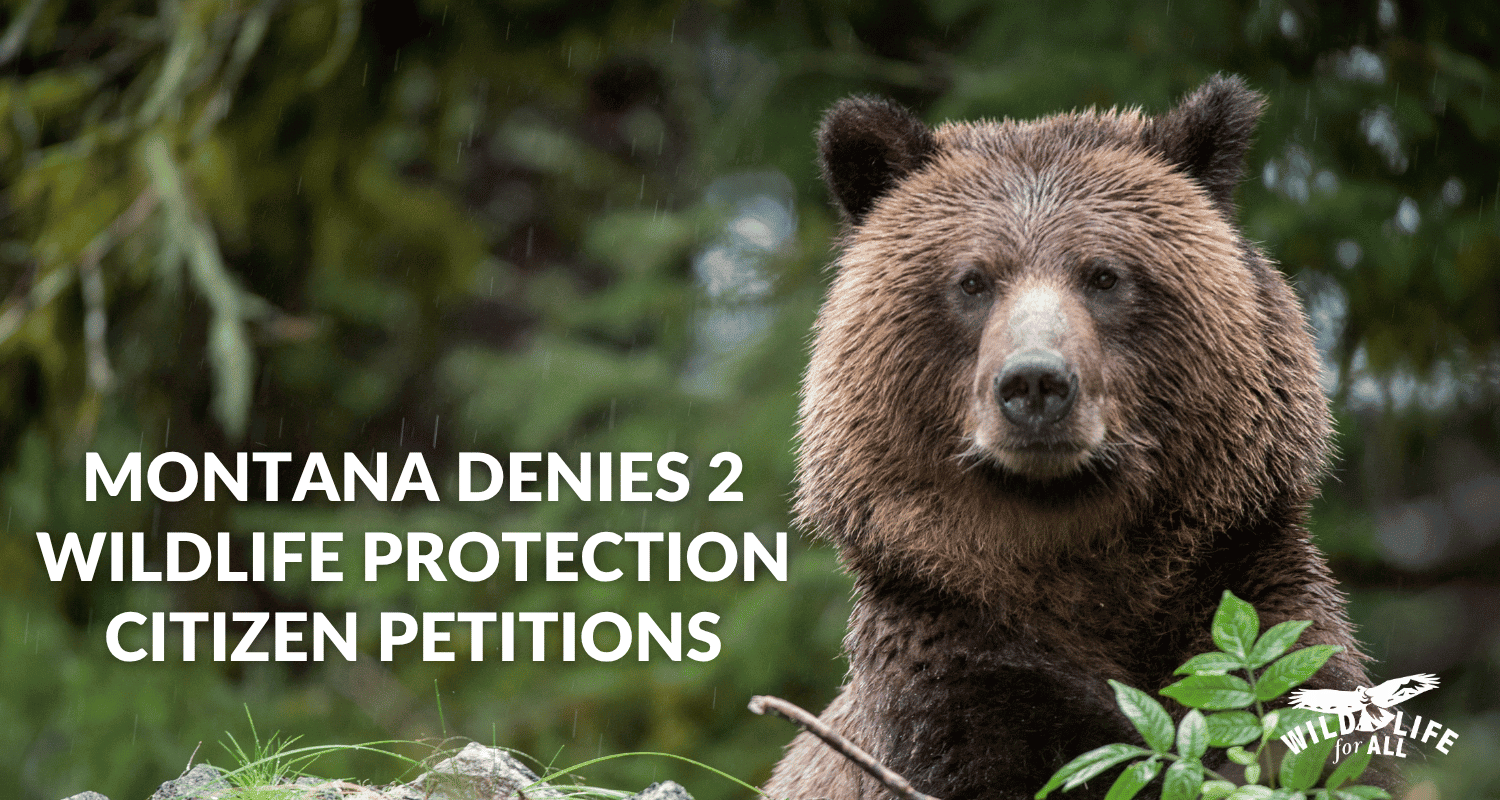
We also stood with partners in Montana as more than 900 public comments were submitted on two citizen petitions: one that would have required traps and snares on public lands to be checked every 24 hours, and another that would have required people hunting, trapping, and guiding in grizzly habitat to carry bear spray.
The Montana Fish and Wildlife Commission rejected both petitions unanimously. At the same meeting, however, it voted unanimously to begin developing a new “predator management” policy, which will certainly mean more killing.
That contrast tells us something important: a proposal for basic protections can be dismissed while a new framework for “managing predators” moves forward.
This is why we work to change how wildlife decisions are made at the highest level.
The accelerating federal assault on conservation makes state even more important
We’ve also been keeping you informed as the Trump administration moves to weaken some of the country’s most important wildlife and public-land protections, from attacks on the Roadless Rule to changes to the definition of “harm” under the Endangered Species Act and efforts to undermine federal protections for wolves and other wildlife.
When federal conservation protections are weakened, state wildlife agencies and commissions become even more consequential. Right now, the work of organizing at the state level is even more urgent, not less. We have to build durable power from the ground up to make up for the loss of federal protections.
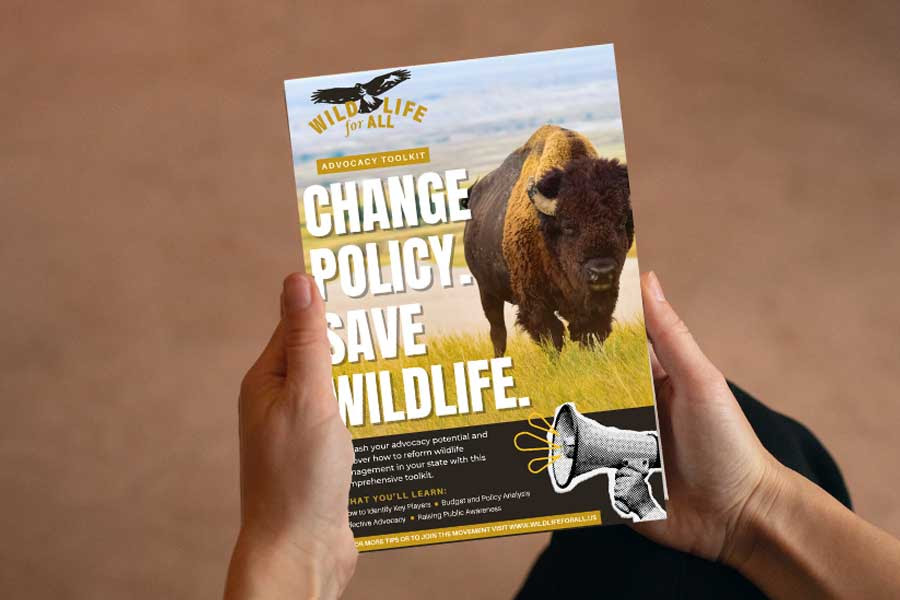
If you need help getting started, check out our Advocacy Toolkit, which walks you through exactly how to begin in your state.
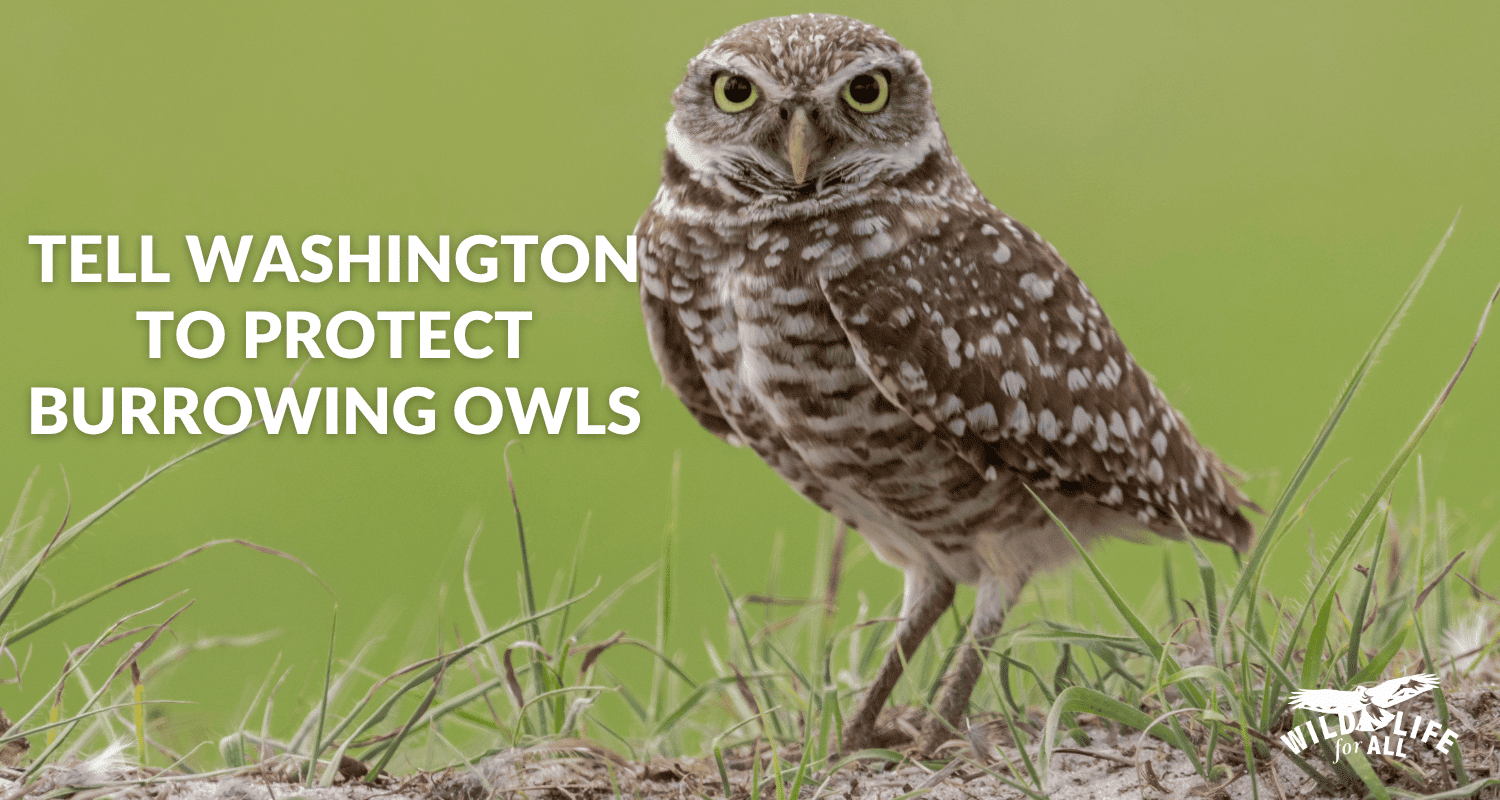
Washington: Keep public oversight in wildlife decisions and help protect burrowing owls
On Oct. 9, Washington’s wildlife commission will consider delegating authority to its director, including work to align fishing rules with Colville Tribal regulations. Commissioners will also choose their 2027 meeting schedule. These decisions shape who exercises authority and how easily the public can participate.
Speak up by tomorrow: Email commission@dfw.wa.gov asking for clearly defined delegations, public reporting on resulting decisions, and a meeting schedule that supports meaningful participation. Review the agenda and join the virtual meeting, starting at 8:30 a.m. Pacific Time.
Fewer than 100 breeding pairs of burrowing owls remain in Washington, according to state wildlife officials. The department now recommends listing them as state endangered—a proposal that still needs commission approval. These owls need protection backed by habitat conservation and resources for recovery.
Speak up by Dec. 31: Email TandEpubliccom@dfw.wa.gov supporting endangered status and a recovery strategy that protects habitat and the burrowing mammals whose homes owls depend on. Read the proposal.
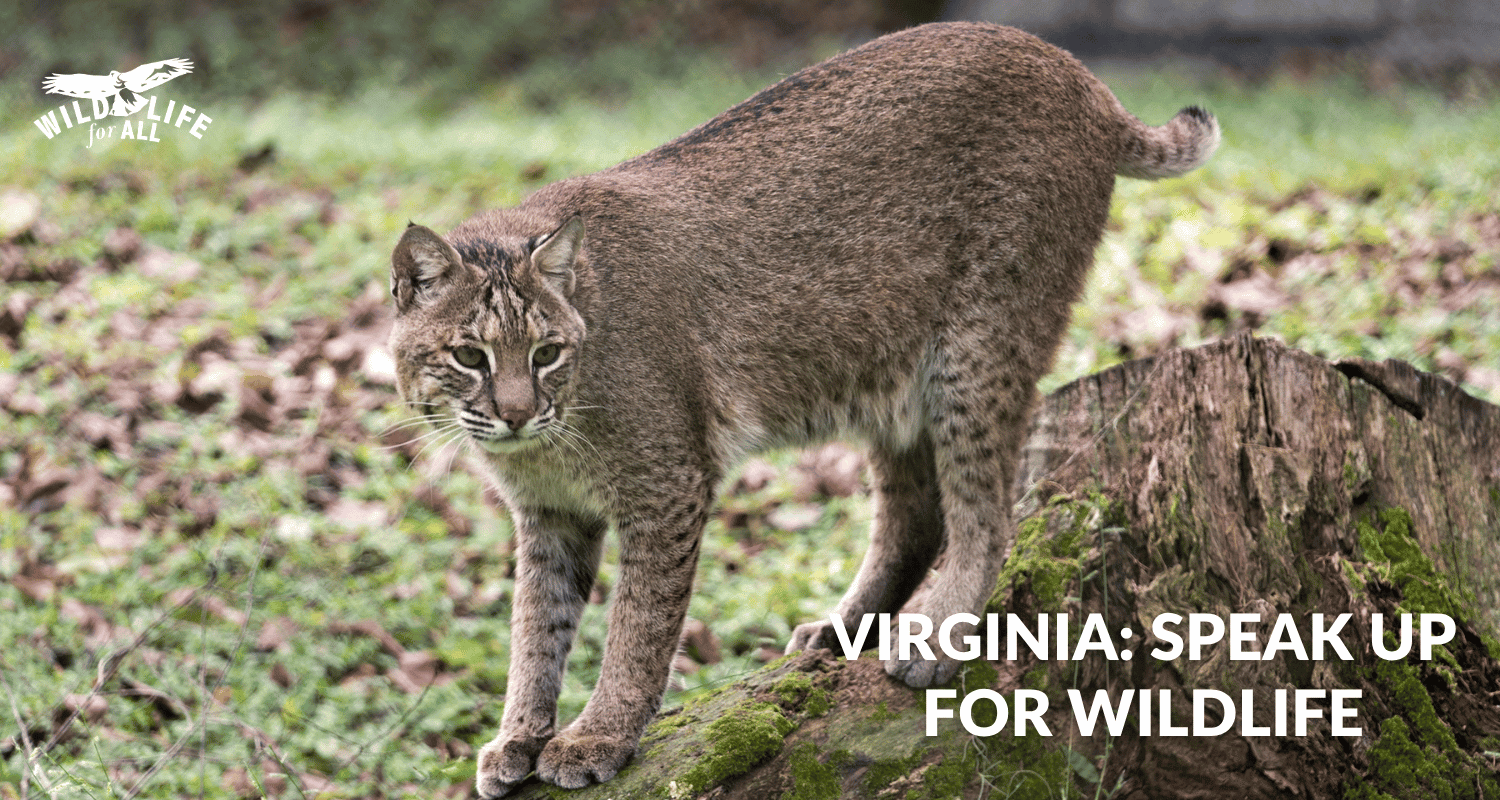
Virginia: Help shape the next wildlife rules
Virginia is accepting ideas for its next round of wildlife regulations through Nov. 18. This early input period gives the public a chance to influence proposals before they take shape. Compassionate, ecologically grounded recommendations belong in that process—including stronger trapping safeguards and greater support for coexistence.
Submit your recommendation: Use DWR’s public-input form to propose one specific change per submission. Explain which animals it would protect, the problem it addresses, and the evidence supporting it.
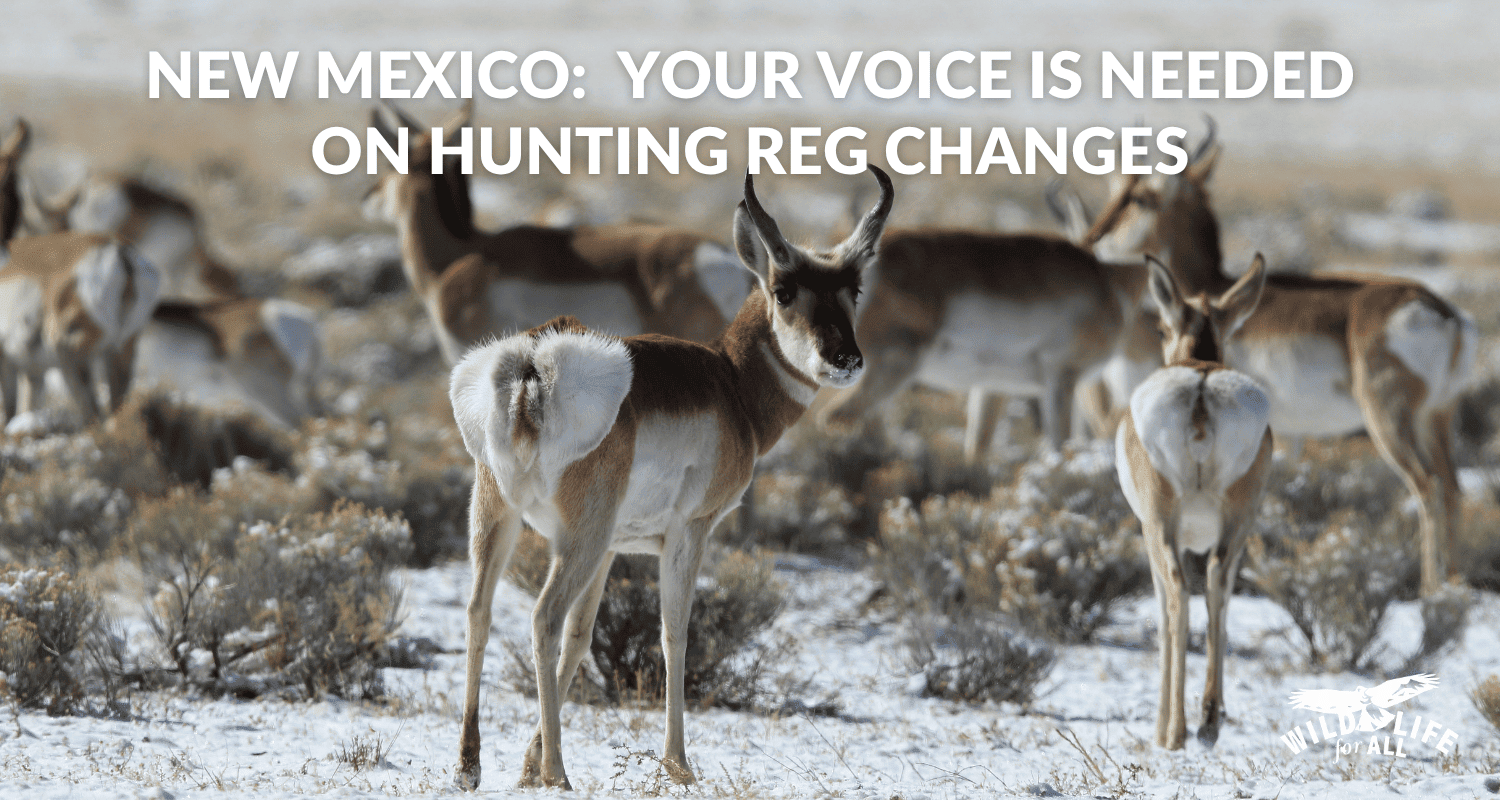
New Mexico: Read the fine print for wildlife
New Mexico is proposing changes to hunting rules that include definitions of “protected species” and “written permission.” The department describes these as updates to align with other rules and statutory changes, but the details deserve public scrutiny: definitions help determine which animals receive protection and how rules are enforced.
Comment before the vote: Review the proposed changes and email DGF-Manner-And-Method-Rule@
What's Coming Up
Start with one person
We’ve been talking a lot lately about the need to get organized. But organizing doesn’t have to begin with a campaign, a nonprofit, or a five-year plan.
It can begin with one conversation. Think of someone who cares about wildlife, or someone who loves the places and animals in your state. Invite them to coffee. Take a walk. Talk about what’s happening where you live and why it matters.
You don’t have to know everything about wildlife policy. You just need another person who cares.
Relationships are what turn people who care into people who can act together when it matters.
So this week, start with one person. Reply and tell us: who is one person you will start with?
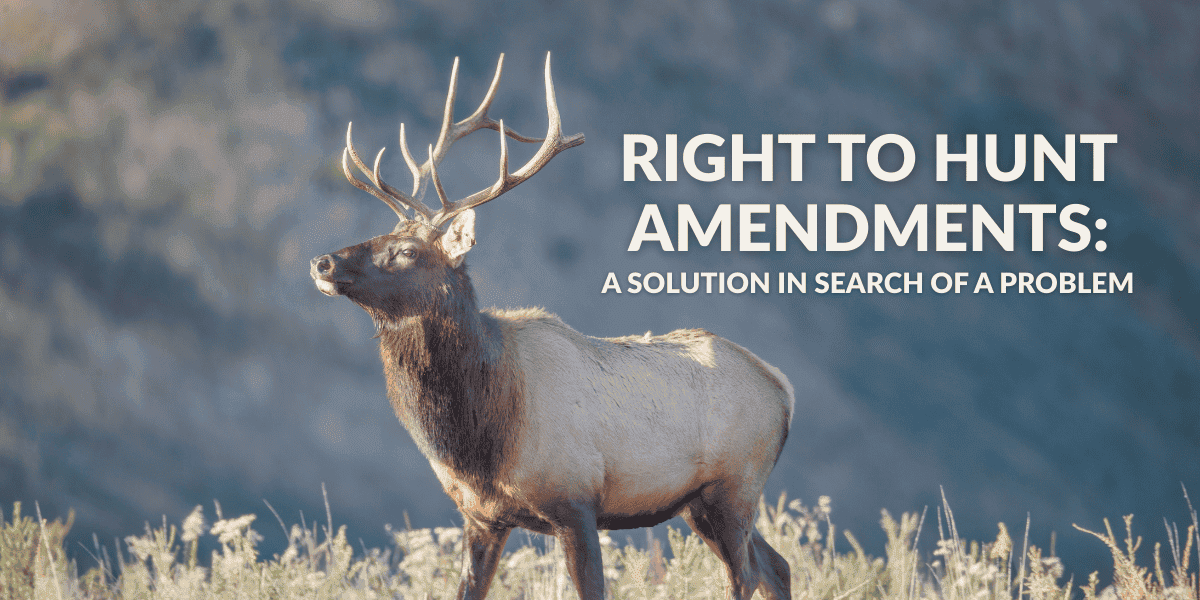
Don’t Be Fooled: Colorado’s Amendment 83:
We’re helping Coloradans understand what Amendment 83 would actually do, and why putting vague, sweeping language about wildlife management into the state constitution could have consequences far beyond hunting and fishing. Learn more by visiting keepcoloradosvoice.com.
Organizing to Build Local Power
We’re continuing to work with the advocates-turned-organizers who completed our grassroots training earlier this year to turn their skills into action in their own communities. These advocates are changing things in their states, from organizing red wolf film screenings and community events in North Carolina, building support for bobcat coexistence in Virginia, pushing the wildlife agency and commission for greater transparency and virtual participation in South Carolina and Michigan, and even investigating a mass killing of ring-billed gulls in Ohio that has received far too little attention.
These efforts may look different from one another. But they share the same goal: more people with knowledge, relationships, and power to shape wildlife decisions happening in their own states. That’s exactly why we’re building something bigger to connect each campaign to a more powerful movement.
Check out our Advocacy Toolkit to begin organizing in your state.
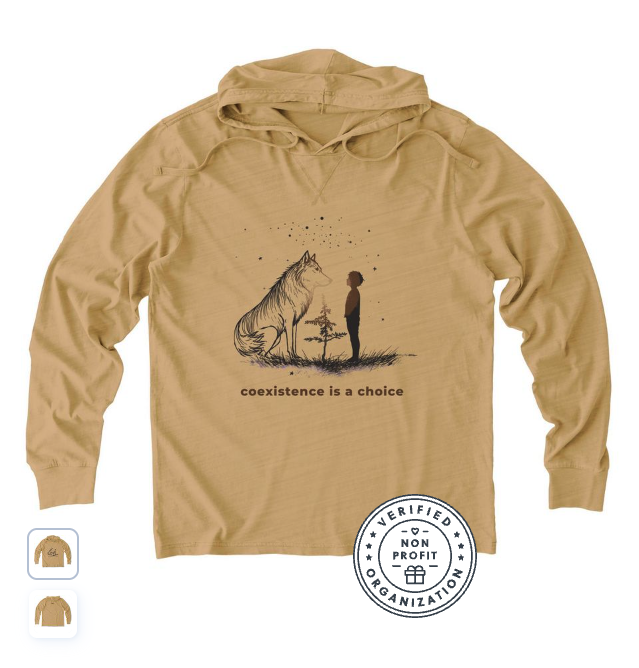
Wear what you believe in
Want to show up for wildlife, and look good doing it?
Our Bonfire shop is open with T-shirts, sweatshirts, and other gear you can wear wherever you’re organizing, advocating, hiking, or just having a conversation about the future of wildlife.
Every purchase helps support Wildlife for All’s work to build a more democratic, compassionate, and accountable approach to wildlife governance.
Wear it. Talk about it. Start a conversation.

Make a Plan to Vote On or Before Nov. 3
November 3 will be here before we know it. If wildlife and the places they depend on matter to you, make a plan to vote.
Start with three things:
- Check your voter registration. Make sure your name and address are current.
- Know your options. Find out whether you’ll vote by mail, early in-person, or on Election Day, and what deadlines apply where you live.
- Put it on your calendar. Give yourself enough time to research your ballot and cast your vote.
The rules and deadlines vary by state, so use your state or local election office for the most current information.
And then help someone else make a plan. Ask a friend, neighbor, family member, or coworker if they’re ready to vote. You don’t have to agree on everything to help each other participate.
Wildlife policy is shaped by decisions made at every level of government, including state and local governments. Voting is one way we make our voices part of those decisions.
Make a plan. Put it on the calendar. And help someone else do the same.
Past Newsletter Entries
June 2026 Newsletter
What it takes to protect wildlife right now
May 2026 Newsletter
From wolves to voting rights, the stakes are higher than ever
April 2026 Newsletter
This is bigger than one wolf