Wildlife for All is a national movement to reform state wildlife management to be more democratic, just, compassionate, and focused on protecting wild species and ecosystems.
- Democratic:
- Because wildlife is held in the public trust and everyone should have a voice in wildlife decisions.
- Just:
- Because wild animals deserve to be treated fairly as members of the community of life.
- Compassionate:
- Because wild animals are sentient beings worthy of our empathy and respect.
- Focused on ecological health:
- Because of the urgent need to protect species and ecosystems in the face of a global extinction crisis.
Wildlife for All is a national campaign to reform state wildlife management to be more democratic, just, compassionate, and focused on protecting wild species and ecosystems.
- Democratic:
-
- Because wildlife is held in the public trust and everyone should have a voice in wildlife decisions.
- Just:
- Because wild animals deserve to be treated fairly as members of the community of life.
- Compassionate:
- Because wild animals are sentient beings worthy of our empathy and respect.
- Focused on ecological health:
- Because of the urgent need to protect species and ecosystems in the face of a global extinction crisis.
Wildlife for All
A national campaign to reform state wildlife management to be more democratic, just, compassionate, and focused on protecting wild species and ecosystems.
- Democratic:
- Because wildlife is held in the public trust and everyone should have a voice in wildlife decisions.
- Just:
- Because wild animals deserve to be treated fairly as members of the community of life.
- Compassionate:
- Because wild animals are sentient beings worthy of our empathy and respect.
- Focused on ecological health:
- Because of the urgent need to protect species and ecosystems in the face of a global extinction crisis.

ICE Out For Good
Wildlife for All stands in solidarity with all those terrorized by ICE and invites you to take action to hold ICE accountable and support communities with us.
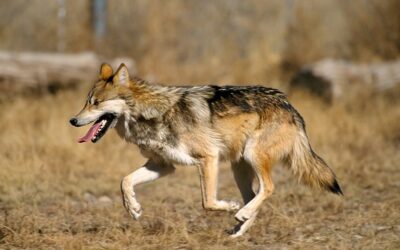
Taylor, the Boundary-Defying Wolf, Found Dead on Interstate 40 in New Mexico
Taylor, the Mexican gray wolf famous for establishing a home range near Mount Taylor, was found dead over the weekend in New Mexico.

State SGCN analysis shows wildlife decline as new federal “open unless closed” policy expands pressure
Wildlife for All statement on federal “open unless closed” policy as SGCN analysis shows...
SGCN Analysis Reveals Urgent Biodiversity Risks Across U.S. States
We analyzed the change from 2015 to 2025 SGCN lists and most states have significantly more species at risk than they did a decade ago.
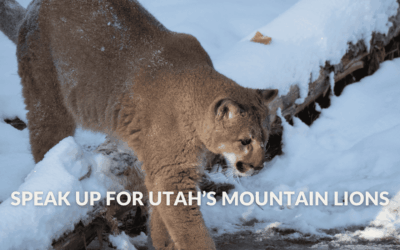
Oppose Utah’s Cougar Removal Plan
Utah wildlife officials are floating a plan to remove all cougars from multiple management units as an “experiment” to boost deer numbers.
January Wildlife Commission Meetings
Speak out and take action at January wildlife commission meetings: find dates, states, and resources on this page.
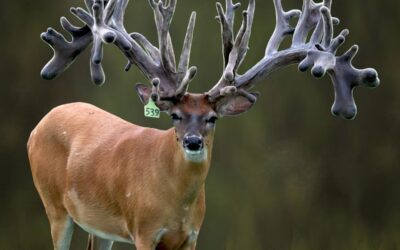
Chronic Wasting Disease Is Spreading Because State Wildlife Governance Is Failing
CWD spreads where state wildlife governance fails and captive deer and elk industries face little oversight.

The Next Round: WFA’s 2026 Game Plan for Champions
In 2026, Wildlife for All is stepping into the arena as champions with a sharpened strategy, a stronger team, and movement momentum.
Release: New Mexico Captures Naturally Dispersing Colorado Wolf
A Colorado wolf entered New Mexico and was immediately captured and returned because states treat natural wolf movement as a problem.
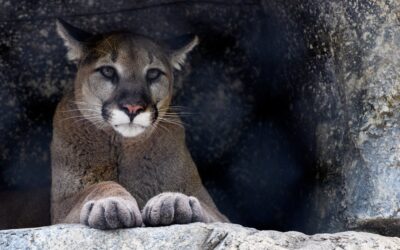
Through Yellow Eyes: How Storytelling Can Challenge Dominant Narratives About Wildlife
Storytelling can help challenge misinformation, build empathy for misunderstood wildlife, and inspire a sense of wonder and stewardship for the natural world. Rutherford Montgomery’s 1937 classic Yellow Eyes, portraying federal predator eradication programs of the time through the eyes of a cougar, is still relevant today in how it challenges and subverts traditional narratives about predators.
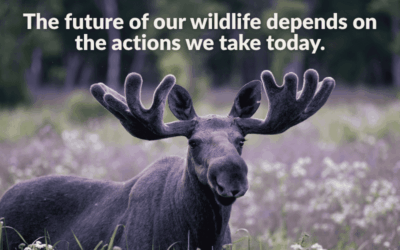
2025 Year in Review: Carrying the Light Forward
Explore Wildlife for All’s 2025 year in review, highlighting our nationwide impact on wildlife governance, landmark policy wins like New Mexico’s SB5, grassroots organizing successes, and the growing movement of advocates protecting ecosystems, science, and democratic decision-making.
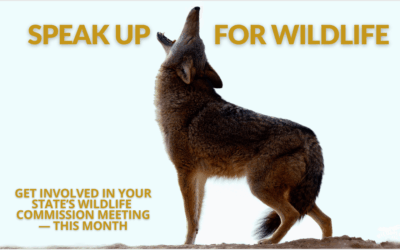
December Wildlife Commission Meetings
Speak out and take action at November wildlife commission meetings: find dates, states, and resources on this page.
Looking for the Southwest Environmental Center? You’re in the right place. Read more here.